Nuoro
Nuoro
Nuoro, cultural capital of inner Sardaigne: dense museums, Mount Ortobène, gateway to Barbagia and Supramonte. Complete guide.
Rich in museums, nuragic fortresses and fine sandy beaches, Nuoro province ranks among Sardaigne's most captivating destinations. Here's a detailed overview.
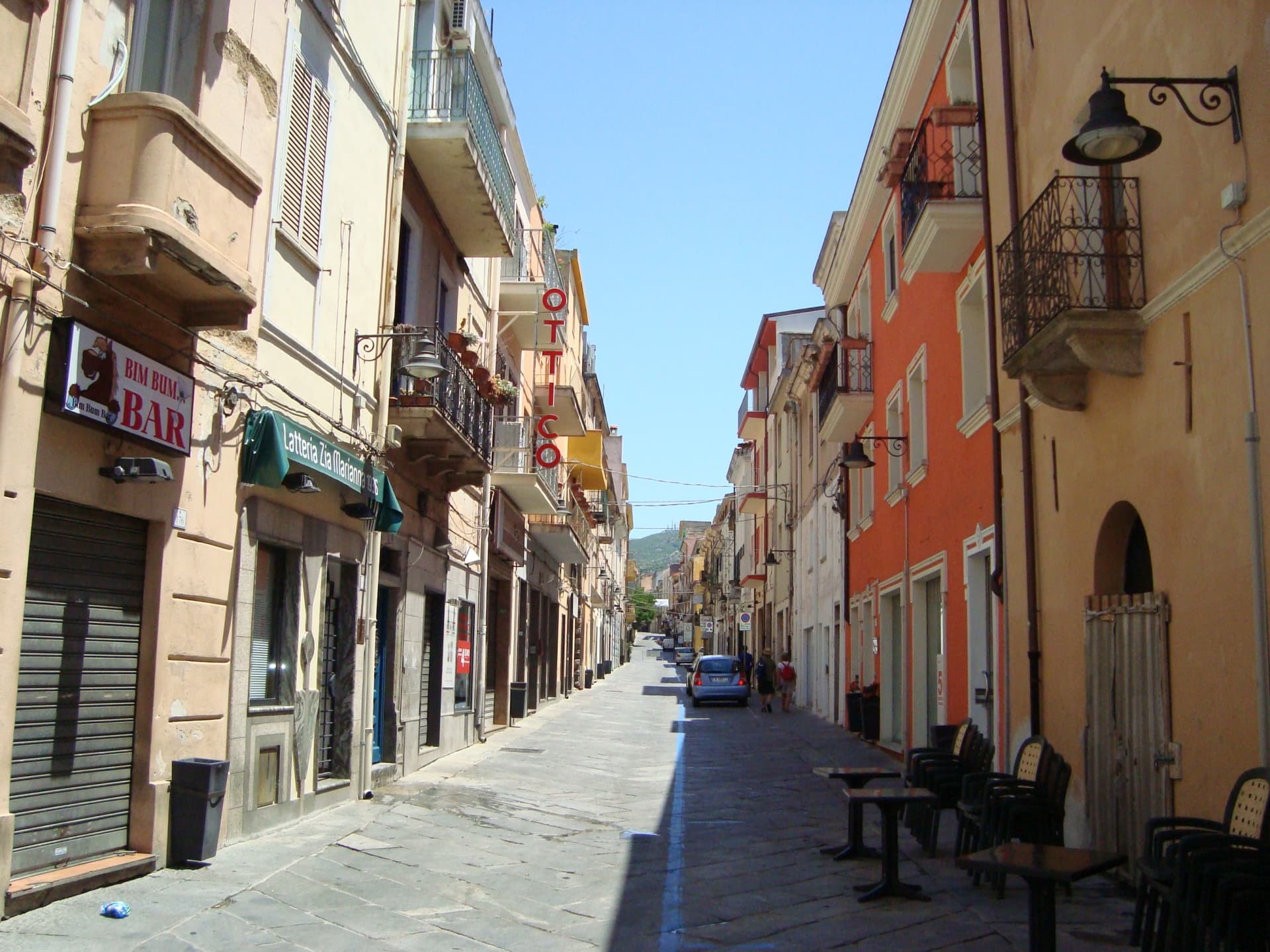
"It is the soul of Sardaigne, it is Sardaigne itself in all its manifestations!", remarked writer Grazia Deledda speaking of her native city. From its granite cliffs, interspersed with forests, high plateaus and vineyard villages, Nuoro had been given the name Barbagia… Given its artistic and literary heritage, it is sometimes hailed as the Athens of Sardaigne. Numerous Italian writers have drawn inspiration from its stark light, mountain landscapes, preserved and abundant vegetation, and also from its cultural celebrations. Stroll through old streets, arcades and historic squares. Be dazzled by the artworks of the Cathedral of Santa Maria della Neve. Visit the Deleddiano Museum House. And don't miss the jagged coves and dream beaches that dot the coast. A trip to Nuoro is a guarantee of a wonderful Sardaigne vacation!
Echoes of the Past
Evidence of human presence at the site dates back to the Stone Age. Hundreds of round huts uncovered during excavations at Tanca Manna attest to this. The domus de janas clustered at the foot of Mount Ortobène bear witness as well. Nuoro was a cradle of nuragic culture, which flourished in Sardaigne between 2500 and 1000 years before Christ. It later became a Roman dependency; the Logudorese Sardinian, which Nuoresi speakers still use to this day, is the legacy of that era.
The Roman Empire ended around 476 AD. Byzantine Emperor Justinian I conquered Nuoro by crushing the Vandals. The region's evangelization mission was entrusted to Benedictine monks. Pope Gregory I reported in his letters the religious schism on the island: to Romanized, Christianized and Byzantine Sardaigne opposed a pagan Sardaigne worshipping false gods. Italian Benedictines were sent to the Nuoro region. Abbeys, parishes and pilgrimage trails were built. It sometimes happened that a Benedictine church stood beside nuraghes or dolmens with the aim of abolishing pagan worship.
After the fall of the Byzantine Empire, Nuoro acquired only modest importance under the Aragonese feudal regime. The year 1836 marks the anniversary of the municipality's founding: it has since been presided over by an elected mayor and municipal council. The twentieth century saw the city flourish culturally and radiate beyond national borders. Many local artists, such as novelist Grazia Deledda, sculptor Francesco Ciusa and poet Sebastiano Satta, became known across Europe. This intense artistic creativity earned Nuoro the title of Athens of Sardaigne.
Today: A Thriving Resort Town
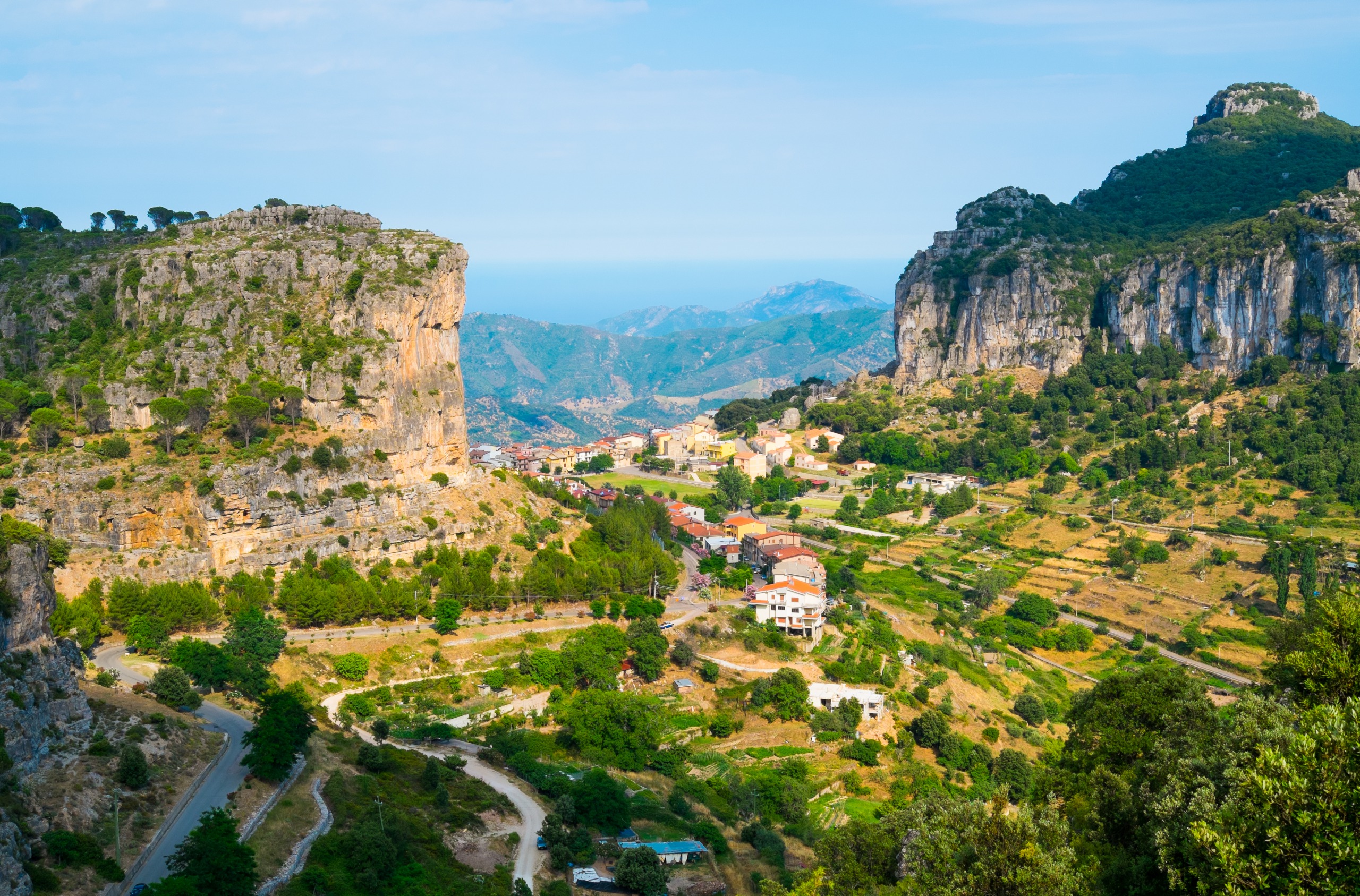
With nearly 207,000 inhabitants, Nuoro province in central-eastern Sardaigne is one of Italy's least populated. Its capital and largest city is Nuoro. Bordered to the east by the Tyrrhenian Sea, the province boasts a wealth of seaside resorts, where coves, white sand and secret caves accessible only by boat succeed one another. The hinterland unfolds as a band of rocky outcrops populated by oaks, junipers and arbutus trees. In its most mountainous part lies Gennargentu Park, home to Punta La Marmora, Sardaigne's highest peak. Other fine peaks crown the massif, such as Mount Ortobène and Mount Albo. These countless attractions confirm strong tourism potential. While beach tourism is far from out of fashion, the province also intends to continue promoting cultural tourism and hiking tourism.
What to See and Visit
Beaches
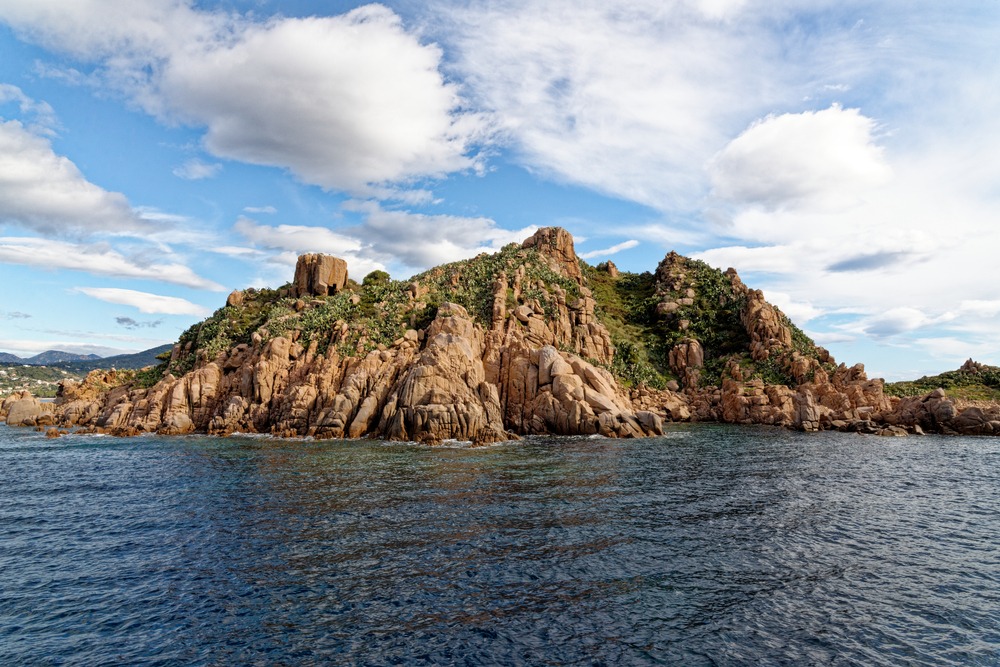
Nuoro is renowned for the quality of its beaches and wild coves. Cala Gonone is a lovely beach with crystalline waters and enhanced by rock formations. Heading toward the south coast, you'll reach the calas of Sisine and Mariolu. As for the Bue Marino caves, off Cala Luna, they will delight hikers and speleology enthusiasts.
Natural Heritage
Mount Ortobène: the mountain resort attracts hikers for its peaks, nuragic ruins and fascinating wild biodiversity. It is home to the Redeemer, a statue executed in 1901 by Vincenzo Ierace.
Apart from the Ortobène archaeological park, the city boasts two major nuragic sites: the Noddule nuraghes and the Ugolio nuraghes.
Architectural and Religious Heritage
The Cathedral of Santa Maria della Neve
Rising on Piazza Santa Maria della Neve, Nuoro's mother church, inaugurated in the eighteenth century, is designed in neoclassical style. The artworks displayed within the cathedral are remarkable: Galfrè's high altar, Jesus Among the Wise Men by Luca Giordano, the Deposition of Christ and Disciples at Emmaus by Bernardino Palazzi… Before stepping inside, take time to admire the majestic granite columns, capitals and pediment flanked on either side by twin bell towers. Dedicated to Nuoro's patron saint, the cathedral is undoubtedly an iconic building of the city.
The Chapel of Our Lady of Grace
Less impressive than the Duomo, the Chapel of Our Lady of Grace nonetheless deserves a visit for its precious murals signed by Gregorio Are and Pietro Antonio. Don't forget to photograph its Gothic façade enhanced by a trachyte pediment and a seven-pointed rose window.
Historic Squares and Museums
Piazza del Poeta
During your stay in Nuoro, treat yourself to a pleasant walk on this square. The façade of all surrounding houses is whitewashed without distinction. Paved with granite slabs with scattered rocks sheltering eight bronze sculptures, the square is dedicated in honor of Sebastiano Satta, one of the greatest figures in Nuoro literature. It overlooks the poet's residence.
The Art Museum of Nuoro Province (MAN Museo d'arte della)
Opened to the public in 1999, the museum is a must-visit for contemporary art enthusiasts. The collection spans from the late nineteenth century to the present day. The region's avant-garde artists are honored, from the most famous like Maria Lai and Mario Delitala to the lesser-known like Giuseppe Basi.
The Sardinian Ethnographic Museum
A tour of the museum is essential if you want to learn more about the lifestyle of inhabitants in the nineteenth and twentieth centuries. Jewels, traditional garments, masks, weapons and tableware pieces.
The Grazia Deledda Museum
Completed in the nineteenth century, the Grazia Deledda Museum is the house where the novelist was born, where she spent her entire childhood until her marriage in 1900. The building was put up for sale in 1913, but shortly after a decree declaring it a national monument, the municipality repurchased it and placed it under the responsibility of the Ethnographic Institute. Since 1983, the house has been transformed into a museum. Books, photographs and manuscripts introduce visitors to Deledda's intimate world, the 1926 Nobel Prize laureate in Literature.
When to Visit?
Nuoro Province enjoys the mild Mediterranean climate. Peak tourist season runs between June and August. If you want to spend a seaside vacation, it's worth coming to Nuoro in the height of summer. Between the coves of Cala Fuili, Cala Luna and the magnificent Bue Marino caves, you'll be spoiled for choice. For culturally themed visits, such as museums, nuraghes and domus de janas, it's more appropriate to travel mid-season, in May, September or October, when tourists are fewer and temperatures more pleasant (59° to 72° F).
Given the development of communication routes, traveling to Nuoro has never been easier. The province is connected to Cagliari and Olbia via Highway 31, and to Ogliastra via Highway 131. Macomer railway station allows train travel from Cagliari or Alghero airports. Finally, note the buses of the ARST company that serve the various neighborhoods and major tourist attractions.
You'll Love…
- Taking photos of the magnificent Cathedral of Santa Maria della Neve;
- Exploring the domus de janas;
- Taking a historical stroll through the Deleddiano Museum, where novelist Grazia Deledda grew up;
- Admiring the very rich collection of the Ethnographic Museum;
- Lounging on sunny beaches;
- Visiting the region's centenarians;
- Savoring local delicacies.
Attractions in Nuoro
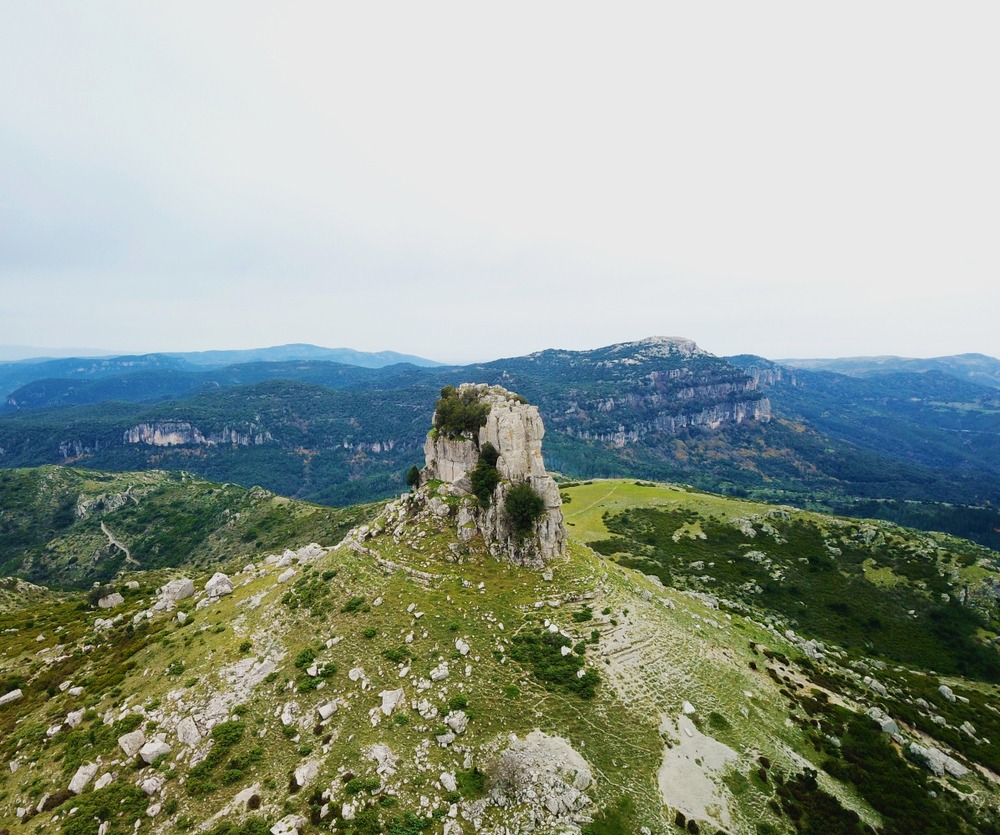
Le talon calcaire Perda Liana
Plus haut tacco de l'Ogliastra, Perda Liana dresse à 1 293 m une tour de calcaire jurassique reconnaissable depuis les plateaux du centre de la Sardaigne.
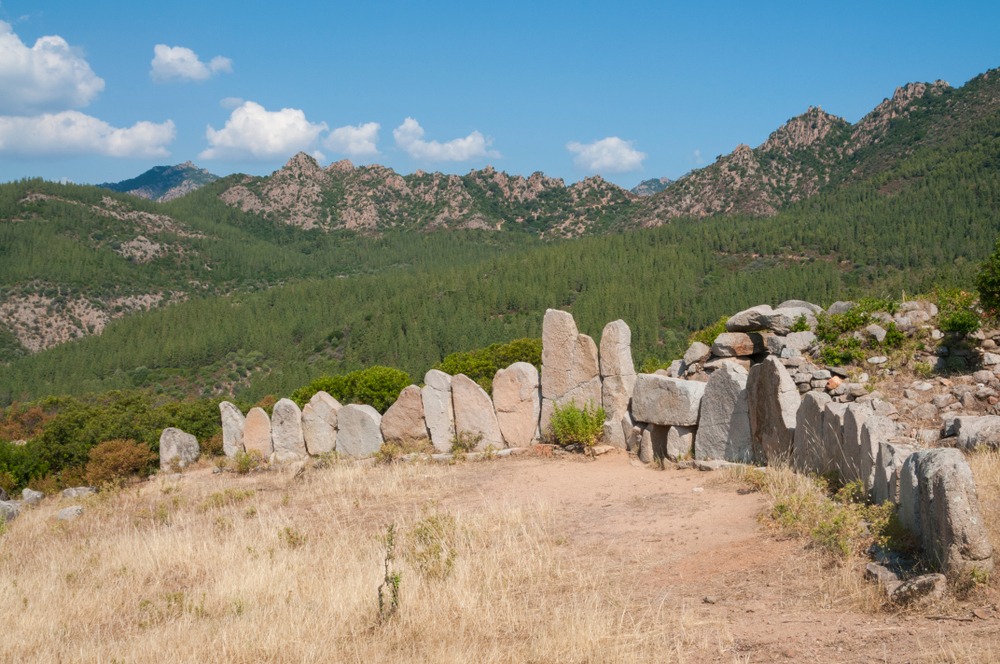
La tombe des géants d’Osono
Près du village de Triei, la tombe des géants d'Osono est l'un des plus anciens monuments funéraires de la civilisation nuragique sarde, datant d'environ 1600 av. J.-C.
Want to discover this destination?
Our local advisors design your tailor-made trip.