Olbia
Olbia
The main port city of northern Sardaigne, Olbia combines Roman ruins, an underwater archaeological museum and a lively waterfront, just steps away from the Costa Smeralda.
Olbia is the primary gateway to Northern Sardaigne. As both a port and airport city, it welcomes millions of travelers each year en route to the Costa Smeralda or Gallura. Yet Olbia deserves a stop in its own right: its historic center holds Phoenician, Roman, and Byzantine remains, and its animated waterfront offers authentic Mediterranean atmosphere, far from the nearby beach resorts.
Quick Practical Information
- Access: Olbia Costa Smeralda airport (OLB) just kilometers from the center; ferries from Genoa, Civitavecchia, and Livorno to Olbia port.
- Local transport: ASPO urban buses serve the center; taxis available at the airport and port.
- Recommended duration: half a day to a full day to explore the center and archaeological sites.
- Dress code: modest clothing required in churches.
What to See
Olbia's heart is best explored on foot. The Corso Umberto, the main thoroughfare, concentrates shops, cafés, and 19th-century palaces. The Museo Archeologico, set on an artificial island within the port, displays Punic amphorae, Roman wrecks, and Nuragic objects. The Church of San Simplicio, an 11th-century Romanesque basilica, is the city's oldest monument.
History and Context
Founded by the Phoenicians, Olbia became a Greek colony and then a prosperous Roman city under the name Olbia — "the good" in Greek. It served as a bridgehead for trade between Rome and Sardaigne. In the 5th century, the Vandals partially destroyed it; excavations of the port have uncovered wrecks from this period. The city was reborn under Pisan rule in the Middle Ages, when they built San Simplicio.
Highlights of Your Visit
Museo Archeologico di Olbia
Perched on an islet connected to the wharf by a footbridge, this modern museum showcases underwater discoveries from the Gulf of Olbia. Vandal wrecks from the 5th century and Punic amphorae are the centerpieces. The presentation is carefully curated and labels are available in Italian and English.
Basilica of San Simplicio
Built in gray granite between the 11th and 12th centuries, this Romanesque basilica is classified as a national monument. The austere interior preserves early Christian inscriptions and reused Roman sarcophagi. Each May, the feast of San Simplicio draws thousands of the faithful in traditional Sardinian dress.
The Port and Waterfront
Olbia's lungomare comes alive in the evening. Restaurant terraces serve grilled fish and local bottarga. The constant movement of giant ferries creates a vibrant port atmosphere, quite different from the luxury marinas of Porto Cervo.
Archaeological Quarter Beneath the City Center
Excavations conducted beneath the Corso Umberto have revealed Roman streets, thermal baths, and mosaics visible through floor windows. These in situ remains, integrated into the urban fabric, are accessible during walks through the historic center.
Etiquette and Visiting Rules
- In the Basilica of San Simplicio: shoulders and knees covered, silence observed during religious services.
- Do not touch the mosaics visible on the ground in the historic center.
Photography Tips
The Basilica of San Simplicio is most photogenic early in the morning, when raking light brings out the texture of the granite. For the port, sunset offers golden reflections on the water with ferries in the background. The archaeological museum permits photography without flash in the permanent galleries.
Location and Access
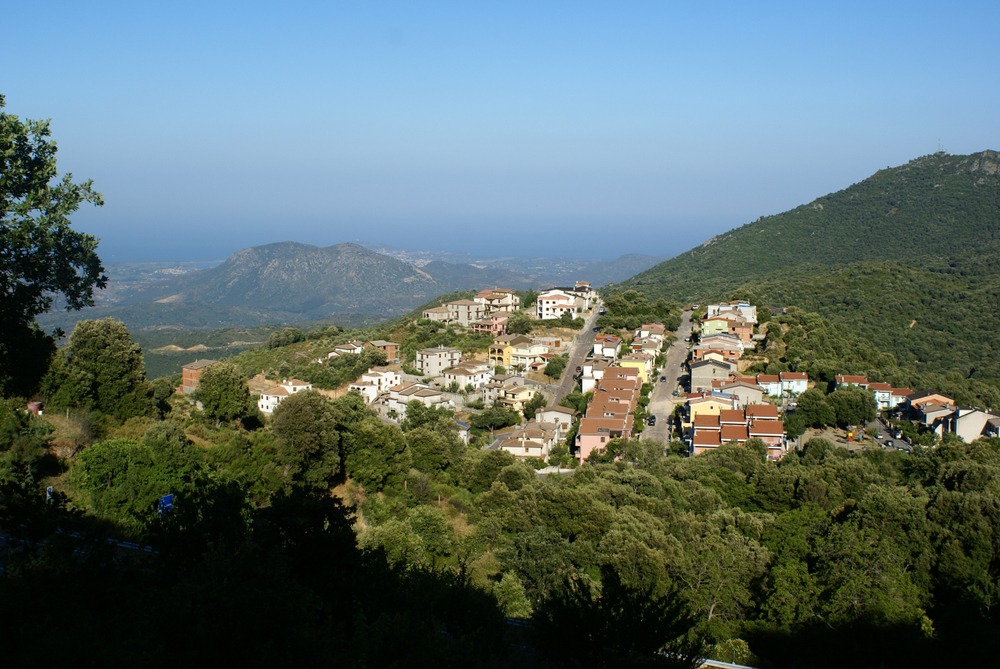
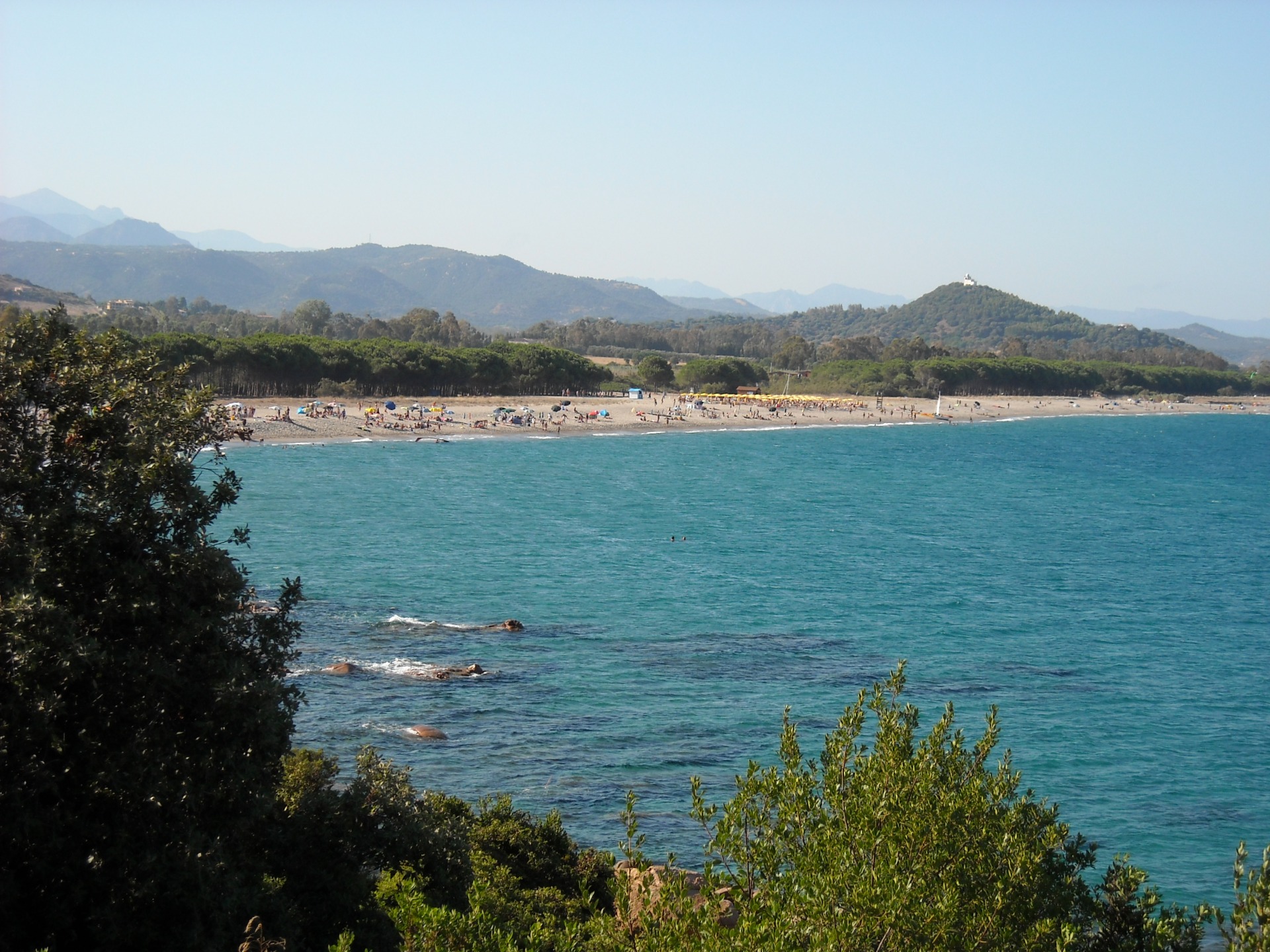
Olbia lies in the northeastern reaches of Sardaigne, in Gallura. The airport and port make it the natural hub for exploring the region. The Costa Smeralda is accessible in about thirty minutes to the north. Porto Cervo and Porto Rotondo lie on the same coast. Inland, Gallura offers landscapes of granite and maquis scrub. The historic center is compact and entirely walkable.
Nearby Attractions
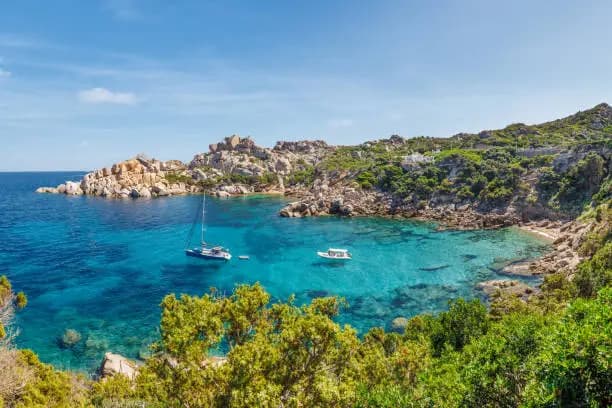
- Costa Smeralda — World-renowned coastline with turquoise waters and rose-granite coves.
- Porto Cervo — Upscale beach resort, yacht marina and luxury boutiques.
- Porto Rotondo — More intimate resort village, refined architecture and family-friendly beaches.
- Golfo Aranci — Small fishing port just kilometers away, crystalline waters and local atmosphere.
- Nuraghe Albucciu — Well-preserved Nuragic tower near Arzachena, testimony to prehistoric Sardinian civilization.
Frequently asked questions
Half a day is sufficient to visit the archaeological museum and the Basilica of San Simplicio. If you arrive by ferry in the evening, the waterfront and its restaurants merit a dinner before heading to your accommodation.
May-June and September-October offer pleasant weather without summer crowds. In July-August, the city is very busy due to tourist traffic heading to the Costa Smeralda.
Yes. The modern presentation with scale models and wreck reconstructions holds children's attention. The footbridge over the port adds a sense of adventure to the visit.
The historic center can be explored entirely on foot from the port or by bus from the airport. To explore Gallura and the Costa Smeralda, a rental car remains essential.
Guided tours of the historic center and archaeological museum are offered by local agencies, particularly in high season. Check with the Olbia tourist office for details.
Photography without flash is generally permitted outside of religious services. Avoid photographing during ceremonies out of respect for worshippers.
Want to discover this destination?
Our local advisors design your tailor-made trip.