Sadali
Sadali
In the heart of Barbagia, Sadali brings together millennia-old nuraghi, legendary fairy grottoes and a waterfall that cascades at the foot of its parish church.
Not far from Barbagia di Seulo, the village of Sadali combines ancient nuraghi and legendary fairy grottoes with pristine environmental quality. Here's what you need to know.
A journey to Sadali opens the doors to an enchanting world where you'll discover a fortified tower dating back thousands of years and grottoes inhabited by magical fairies, transporting you abruptly to another era. While somewhat romantic, this portrayal of Sadali rings true. But let's be frank: if you've already explored the nuraghi of Seui, Osini or the giants' tombs of Osono, the nuragic ruins of Sadali may not captivate you as they do first-time visitors. To truly appreciate its beauty, take the time to visit the Gothic church of San Valentino, which Canon Flavio Cocco praised in these terms: Sadali is the only village in Europe to have a chapel beside which a pleasant waterfall sings. Blending history and architecture within a rather spectacular natural setting, this destination will enrich your stay on the island of Ogliastra.
History
Sadali — Sàdali in Sardinian dialect — was inhabited in the early Bronze Age by peoples of the Nuragic civilization. The ruins scattered across the high plateaus bear witness to this. Near the nuraghe Accodulazzo, archaeologists have unearthed bronze weapons and pottery fragments. The Punic and Roman presence on the site is equally well-established.
In the Middle Ages, the town was governed alternately by magistrates from Cagliari and Gallura before falling under the control of the Republic of Pisa.
Starting in 1324, when Aragonese troops captured the city, Sadali's fate became subject to the power struggles between feudal classes. The Counts of Carroz passed the torch from father to son before ceding ground to the Dukes of Mandas. Later, the noble Alcantara family joined the roster of local potentates.
The exploitation of the Corongiu anthracite quarry boosted the local economy from 1877 onward. Sadali became a major economic hub of Ogliastra. Mining production reached its peak during World War I and came to an end in 1964.
Today: A Tourism Destination on the Rise
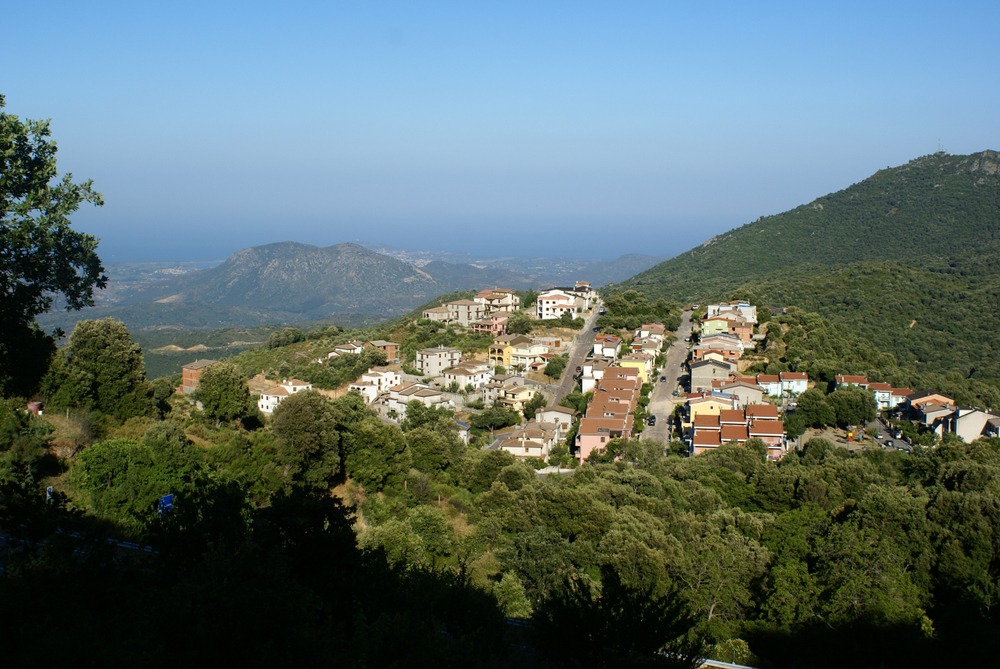
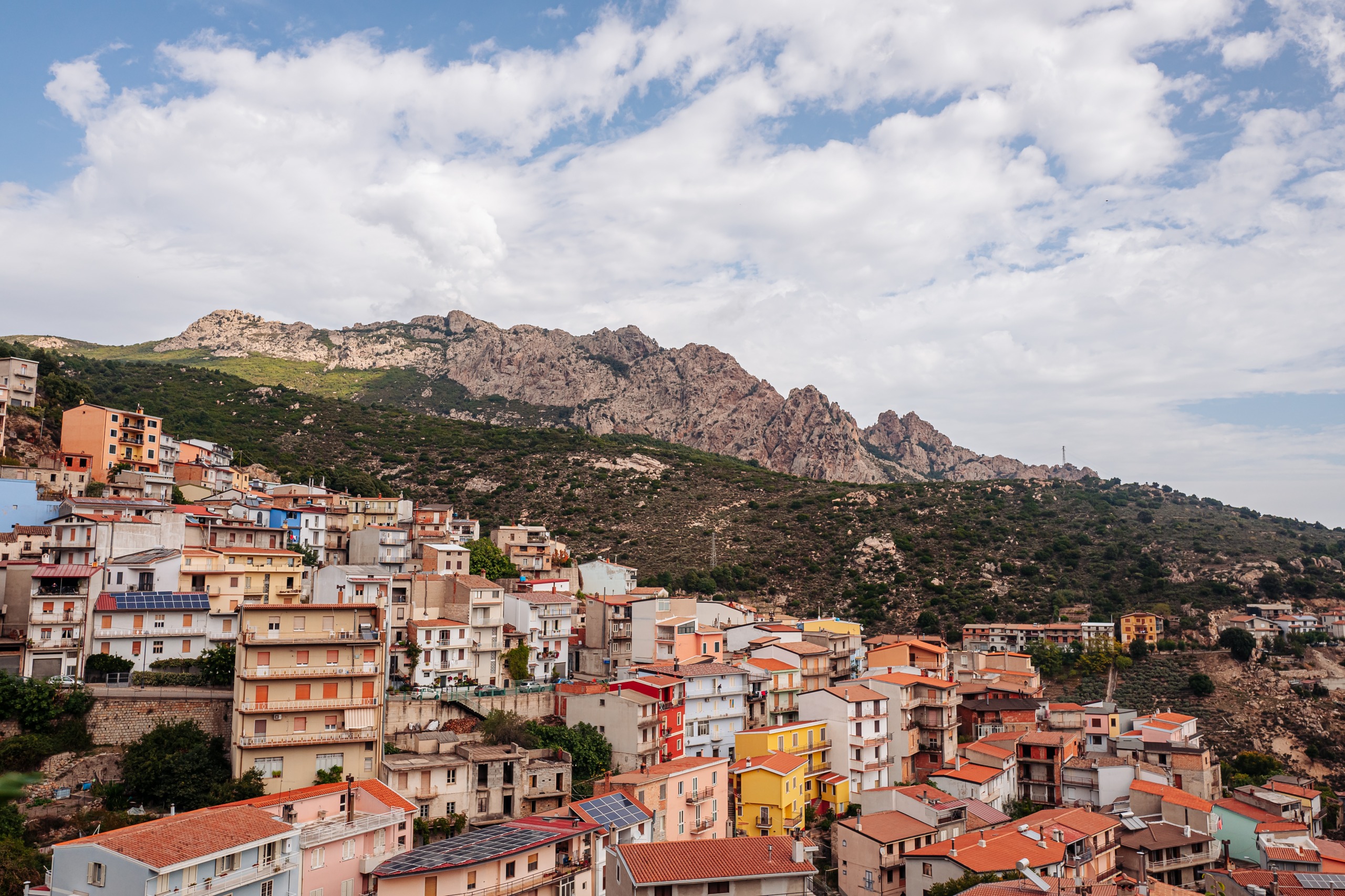
Initially part of Nuoro, then provisionally transferred to Cagliari between 2003 and 2016, Sadali now belongs to South Sardaigne province. The town shares borders with Seulo to the north, Nulli and Esterzilli to the south, Seui to the east and Villanovutalo to the west. The latest 2019 census recorded 936 inhabitants in this village spanning 49.61 km², translating to fewer than 20 residents per square kilometer. Hikers will gladly venture into this mountainous territory, where dolomite plateaus, rivers, springs and underground grottoes alternate. Beyond the pleasures of trekking, they'll be supporting a humble rural village that places its hopes in tourism to stem emigration.
What to See and Do
Spending a day in Sadali is an excellent idea whether you wish to journey through ancient times or embark on an adventurous trek. Here's a catalog of unmissable points of interest.
- The Nuraghe Accodulazzo: close to the town center, Nuraghe Accodulazzo is an exceptional archaeological heritage site. Imagine that two thousand years ago, a people hunted and gathered at this spot. The fortress sits on a high plateau dotted with rocky outcrops and rises to approximately 700 meters in altitude. A hiking destination beloved by trekkers past and present.
- Is Janas Grotto: three janas are said to have taken refuge in this underground grotto. According to local beliefs, they are benevolent fairies, though some possess mischievous spirits that lead them to wield sorcery. The grotto stretches 350 meters long. In the company of a guide, traverse the five chambers of the cavern (the sixth is inaccessible) and heed the legend of these creatures. Even if this speaks nothing to you, know that domus de janas constitute a defining feature of Nuragic civilization.
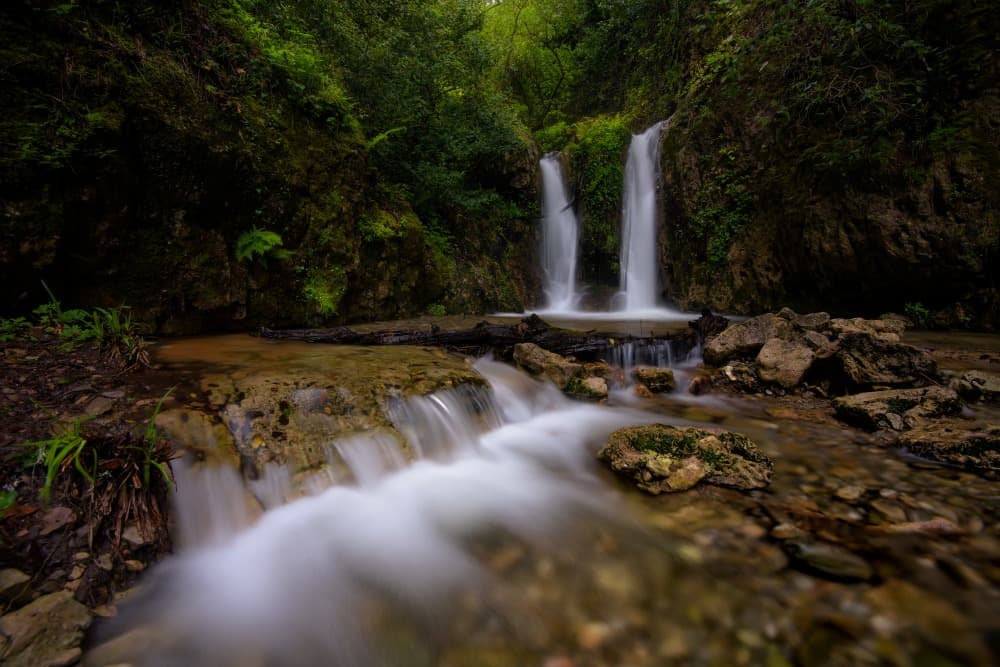
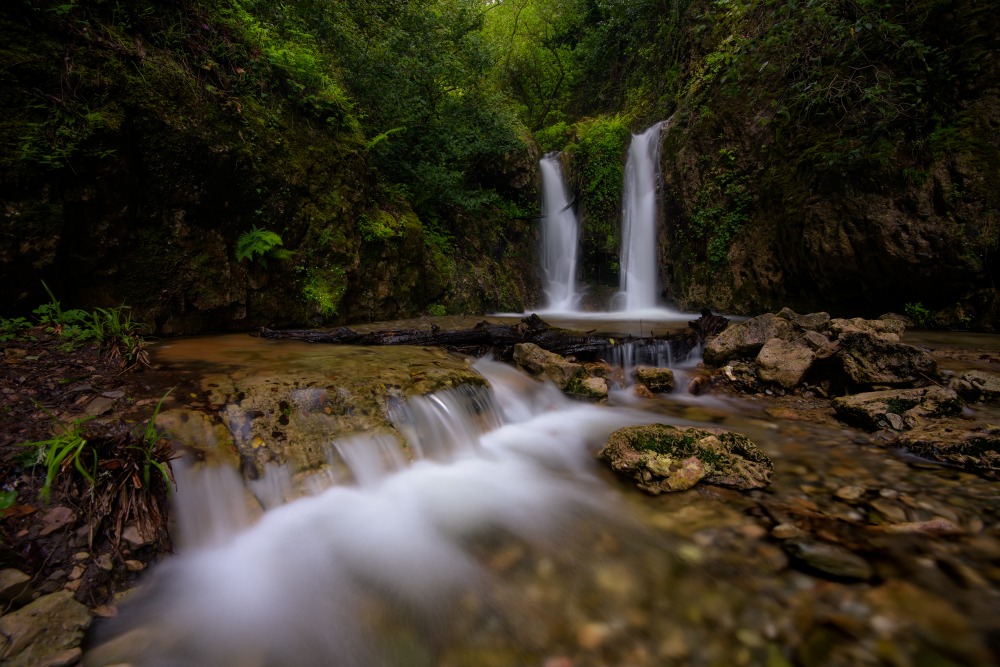
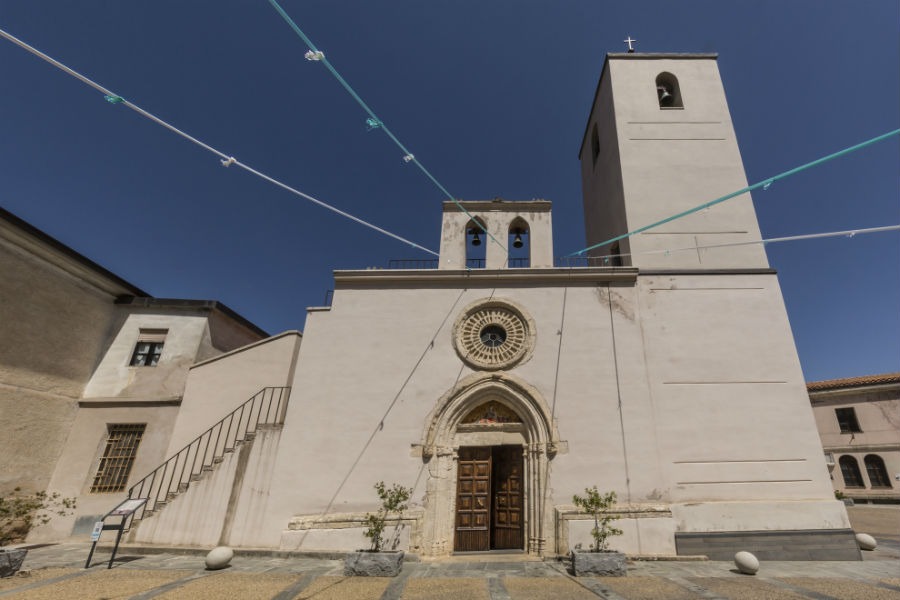
- Church of Saint Valentine: of Byzantine foundation, the Church of Saint Valentine is Sadali's main parish. It's worth the detour for three reasons: the parish is the only one in Sardaigne dedicated to this Roman martyr; the interior houses a wooden altar over 400 years old. But the real standout is the adjacent waterfall, which plunges into an underground cavity called Sa Bucca Manna. What a privilege to cool off beside this cascade and listen to its gentle song in the heart of town!
- Walking through the village streets, three other places of worship will catch your eye: the Church of Saint Anthony or Sant'Antonio de Su Fogu, the Church of Saint Mary (completed between the 15th and 16th centuries) and the church dedicated to Saint Helena the Empress.
- Su Stumpu de Su Turrunu Waterfall: beyond the waterfall at the Church of Saint Valentine, a cascade with more powerful flows awaits visitors along a steep cliff face. A breathtaking view over the pastoral landscape!
When to Visit?
Most tourists travel between June and September. Since this is high season, accommodation prices can double in hotels, guesthouses and camping sites alike.
Foreign visitors wishing to come to Sadali should book a flight to Olbia or to Cagliari. Once arrived, they take an ARST bus line to reach the town center.
You'll Love…
- Strolling through the olive groves;
- Paying homage to the Church of San Valentino, the town's architectural icon;
- Accessing the waterfall near the church;
- Descending into the Is Janas grotto;
- Inspecting the Nuraghe Accodulazzo;
- Touring the town by private car.
Attractions in Sadali
Nuraghe d’Accodulazzo
Perché à 700 mètres au-dessus de Sadali, le nuraghe d'Accodulazzo conserve un plan triangulaire de l'âge du bronze au cœur de la Barbagia di Seulo.
Église Saint
À Sadali, l'église San Valentino conjugue plan byzantin, légende du pèlerin et cascade de 7 m juste devant le parvis, au cœur de l'Ogliastra.
Want to discover this destination?
Our local advisors design your tailor-made trip.