Osini
Osini
Just 70 km from Cagliari, Osini conceals nuraghi, the legend of San Giorgio and karst plateaus. Our complete guide to this authentic Ogliastra village.
About twenty kilometers from Tortoli, the small town of Osini is, with its olive groves, nuraghi and wild cliffs, a coveted hiking destination in Sardaigne. Here's what you shouldn't miss.
As you leave Barbagia for Osini, travelers look forward to navigating the rocky crevices of San Giorgio… Regrettably, the popularity of this gorge overshadows Osini's other attractions, which many see solely as a hiking haven. To uncover the town's hidden side, plan at least one night in a mountain rural guesthouse. On the limestone plateaus, the Serbissi nuraghe reminds today's visitors of the presence of a prehistoric civilization. The medieval town comes alive on August 11, the feast day of Saint Suzanne, marked by a pontifical mass, dancing and poetry contests. Visiting Osini also means greeting its shepherds, appreciating the work of its vintners and savoring the delights of local produce. Without a doubt, lovers of authentic destinations will return delighted from this journey to Sardaigne!
Historical Notes
Nuragic Era
It's hard to believe, but human occupation of the site dates back to the Bronze Age, more precisely around 1600 BC. The nuragic complexes, as well as the domus de Janas scattered throughout the town, bear witness to this immemorial age.
Medieval Era
11th - 13th centuries: A judicate governed the inhabitants, led in turn by the judges of Torres, Corraso and Arborea.
1324: The town fell under the yoke of the Aragonese crown.
1363: Pietro IV entrusted the administration of Osini to Count Berengario Carroz. Like other territories of Ogliastra, the town was absorbed into the county of Quirra.
1603: The Centelles marquises took the reins, before ceding them to Osorio de Cueva. In 1839, a royal decree definitively ended the grip of feudal lords.
Modern Era
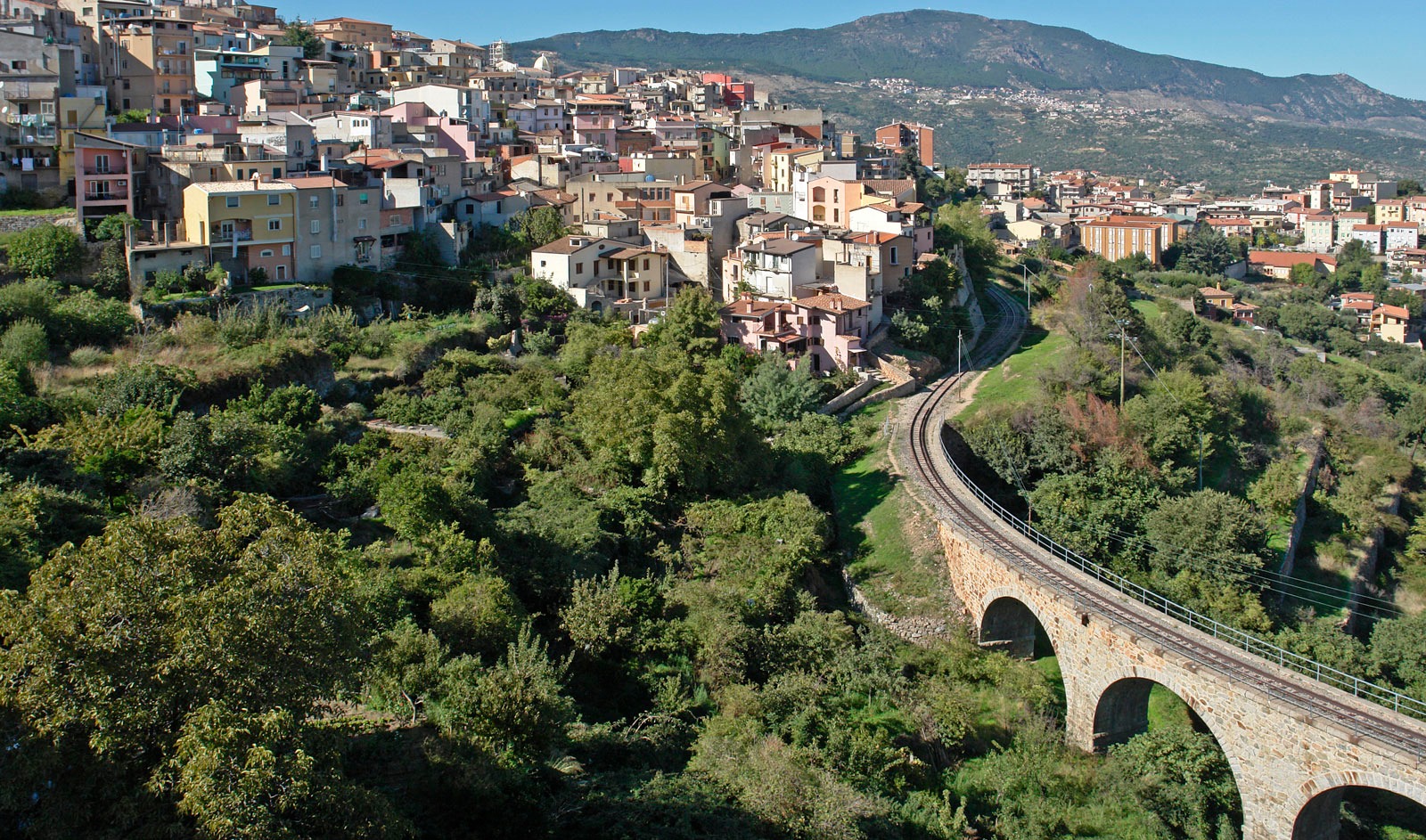
The town of Osini took on a new face in the early 1950s, following a terrible flood that destroyed all infrastructure. The explosion of social housing, necessary to quickly house the homeless, resulted in simplistic architecture: apartments are plentiful, but remarkable buildings are few and far between.
Today: A Hub of Nature Tourism
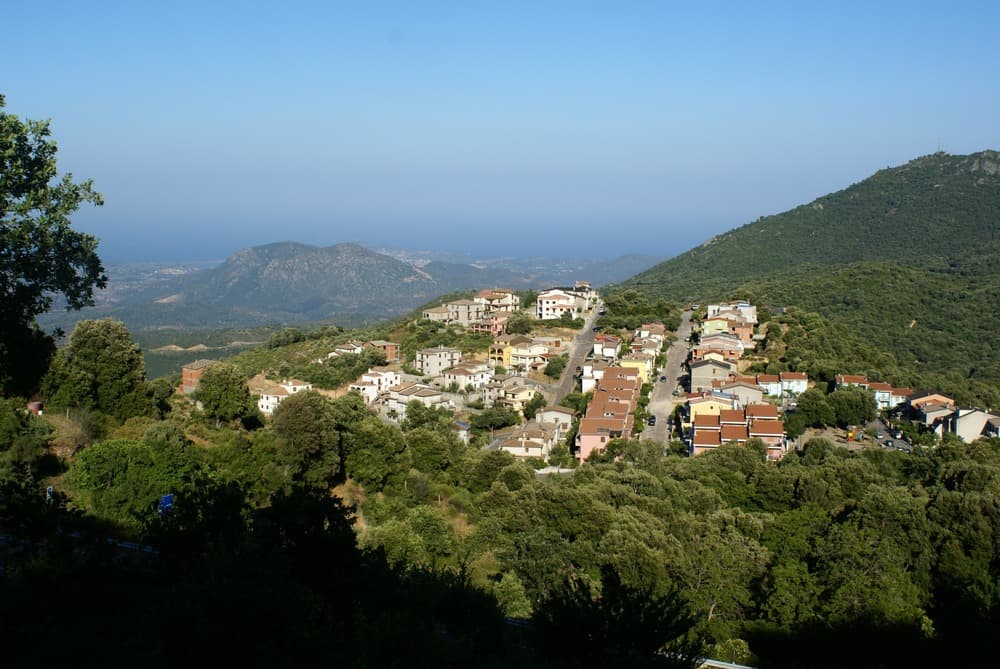
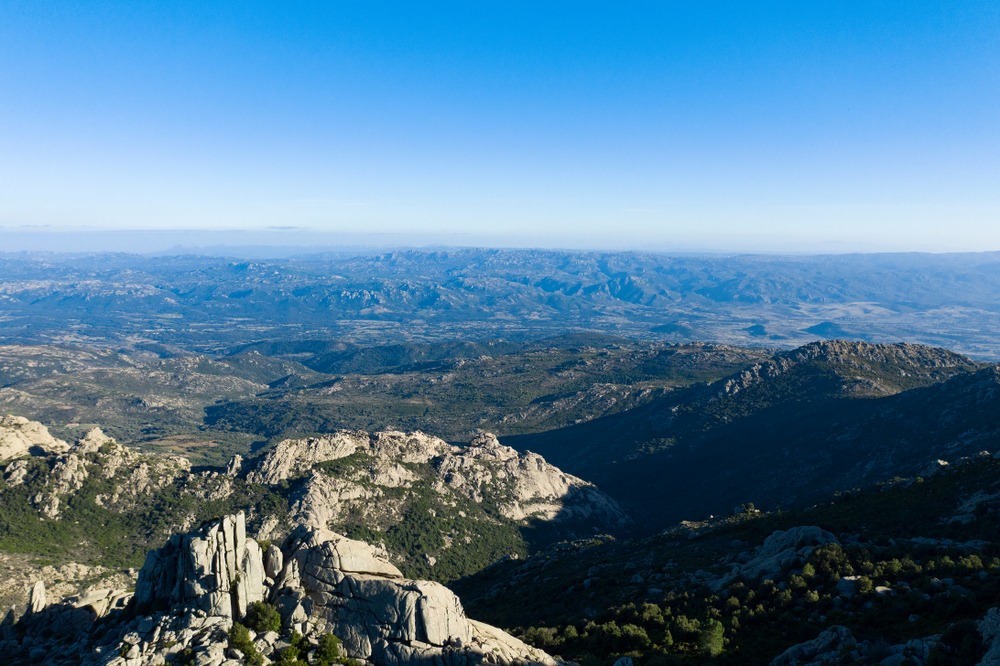
Osini is an appealing green town where life is good. South of Nuoro province, it shares its borders with Cardedu, Tertenia and Ulassai, the birthplace of the renowned Maria Lai. A territory untouched by human activity, except in the fertile Rio Pardu basin, where the 768 inhabitants are mainly concentrated. Karst plateaus, cliffs crowned with limestone and dolomitic towers, coniferous forests dominate the landscape. Discerning travelers will recognize here the typical environment of Ogliastra, the wildest and most untouched region of Sardaigne.
The urban plan is divided into two sections: old Osini and new Osini, built after the disaster. The poverty of architecture is balanced by the abundance of natural heritage.
Must-See Attractions
Archaeological Heritage
- The Serbissi Nuraghe: a primitive people conquered Sardinian soil and erected cyclopean stone towers to defend the colony. The Serbissi nuraghe is undoubtedly one of its finest achievements. It stands on a limestone plateau with vertiginous cliffs that overwhelms the small farmhouses of Osini with its majesty. Preserved in perfect condition, the nuragic complex, one of the most important in Sardaigne, houses a main tower 6.3 meters high reinforced by three secondary towers. The eight round huts established all around are certainly the ruins of a village, whose nuraghe provided fortification.
Visiting the complex leaves a nostalgic aftertaste. While the earthworks command respect, as do the two megalithic tombs nearby, one cannot help but shudder at the thought that insecurity already reigned in that distant era.
Beyond the Serbissi nuraghe, the village is home to countless nuragic ruins dating from the late Neolithic. They are found on either side of the karst plateaus of Sanu, Orottu, Truculu, Urceni and Samuccu.
Natural Heritage
- The Stairway of San Giorgio: Did this rocky fissure appear as a result of simple geological erosion or is it the fruit of a miracle? Hikers and climbers don't bother raising the question. Yet, a hagiographic book preserved in the church of Suelli certifies its supernatural origin. It recounts how the priest San Giorgio, grieved by poor pilgrims unable to climb the mountain, implored the help of the Almighty. In His mercy, God opened a narrow gorge between rocky walls. Remember this miracle when you come to greet this natural masterpiece of Sardaigne.
Architectural Heritage
While not the main attraction drawing visitors to Osini, a few medieval structures are worthy of note, those spared by the 1950 flood.
In the heart of the historic town, the Chiesa square invites a leisurely stroll. A fountain stands in the center of the square and beside it you'll discover a typical necropolis. Don't miss the Church of Saint Suzanne, completed in the 17th century, the only true monument that survived the catastrophe if you exclude the rectory and aging buildings renovated by town hall.
To see the old town reborn from its ashes, it's essential to visit toward the end of April or on August 11. Each year, the residents of Osini observe the Festival of San Giorgio from April 23 to 30, inaugurated by a holy procession departing from the village's mother church to the humble Seuili country church, where San Giorgio once held his bishopric. The festival in honor of Saint Suzanne, celebrated on August 11, draws an even larger crowd. To honor the city's patroness, literary and musical events are on the program. And of course, delicious Sardinian specialties accompany these festivities: nougat, goat cheese, homemade breads, Cannonau wine and much more.
When to Visit Osini?
The town of Osini enjoys a pleasant Mediterranean climate. If you're concerned that autumn or winter rains might disrupt your stay, plan your vacation between June and September. But be aware, this period coincides with peak tourist season (especially in August). Prices can skyrocket in hotels and guesthouses.
Osini is located about sixty kilometers north of Cagliari. To get there, English-speaking visitors can book a flight to Cagliari. Once you arrive at the airport, simply hail a taxi or Uber to reach your accommodation.
You'll Love…
- Exploring the Serbissi nuraghe, one of the most important in Sardaigne;
- Inspecting the domus de Janas;
- Strolling through olive groves and vegetable gardens;
- Trekking through the stairway of San Giorgio;
- Learning the stories of the miracles of Saint Suzanne;
- Sampling the local agri-food specialties.
Want to discover this destination?
Our local advisors design your tailor-made trip.