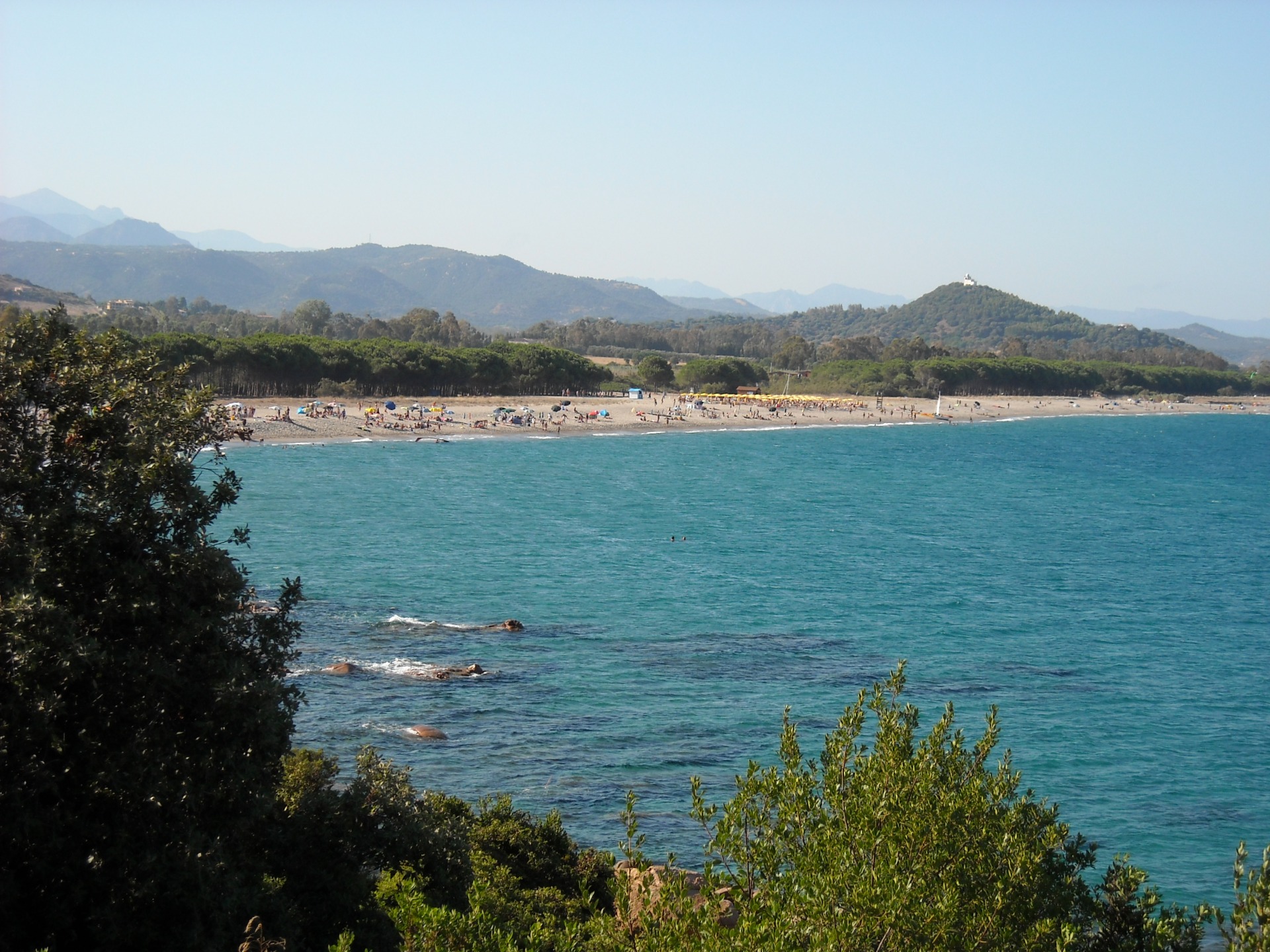
Gulf of Orosei
40 kilometres of limestone cliffs between Cala Gonone and Baunei, coves accessible only by boat or by 2 to 4 hours of hiking from the Golgo plateau.
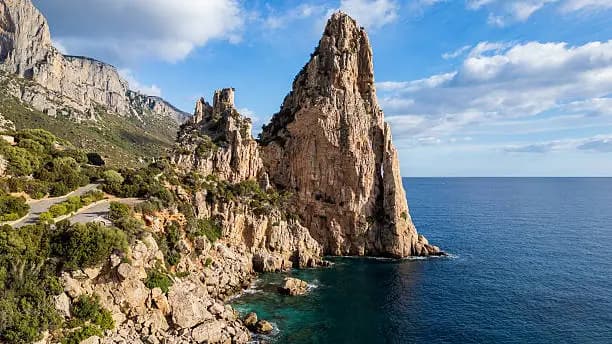
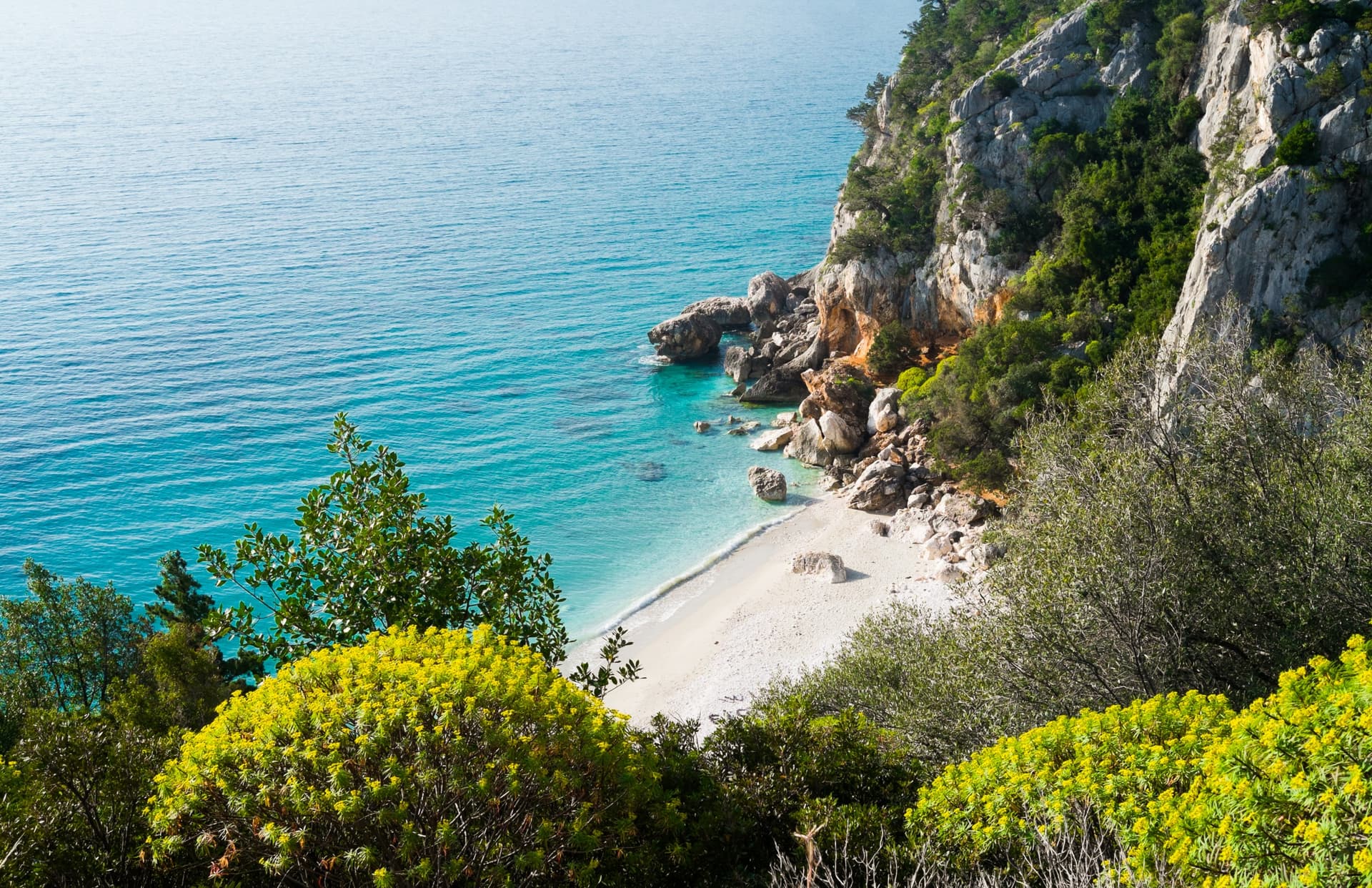
The Gulf of Orosei stretches across 40 kilometres of limestone cliffs between Cala Gonone in the north and the territory of Baunei in the south. It is the only section of Sardaigne's eastern coast where the Supramonte massif descends directly into the sea, without a coastal plain or continuous coastal road. This geography explains everything: the virtual absence of construction, access only by boat or trail, and the colour of the water, held against white walls and filtered by clear sand and pebble beds.
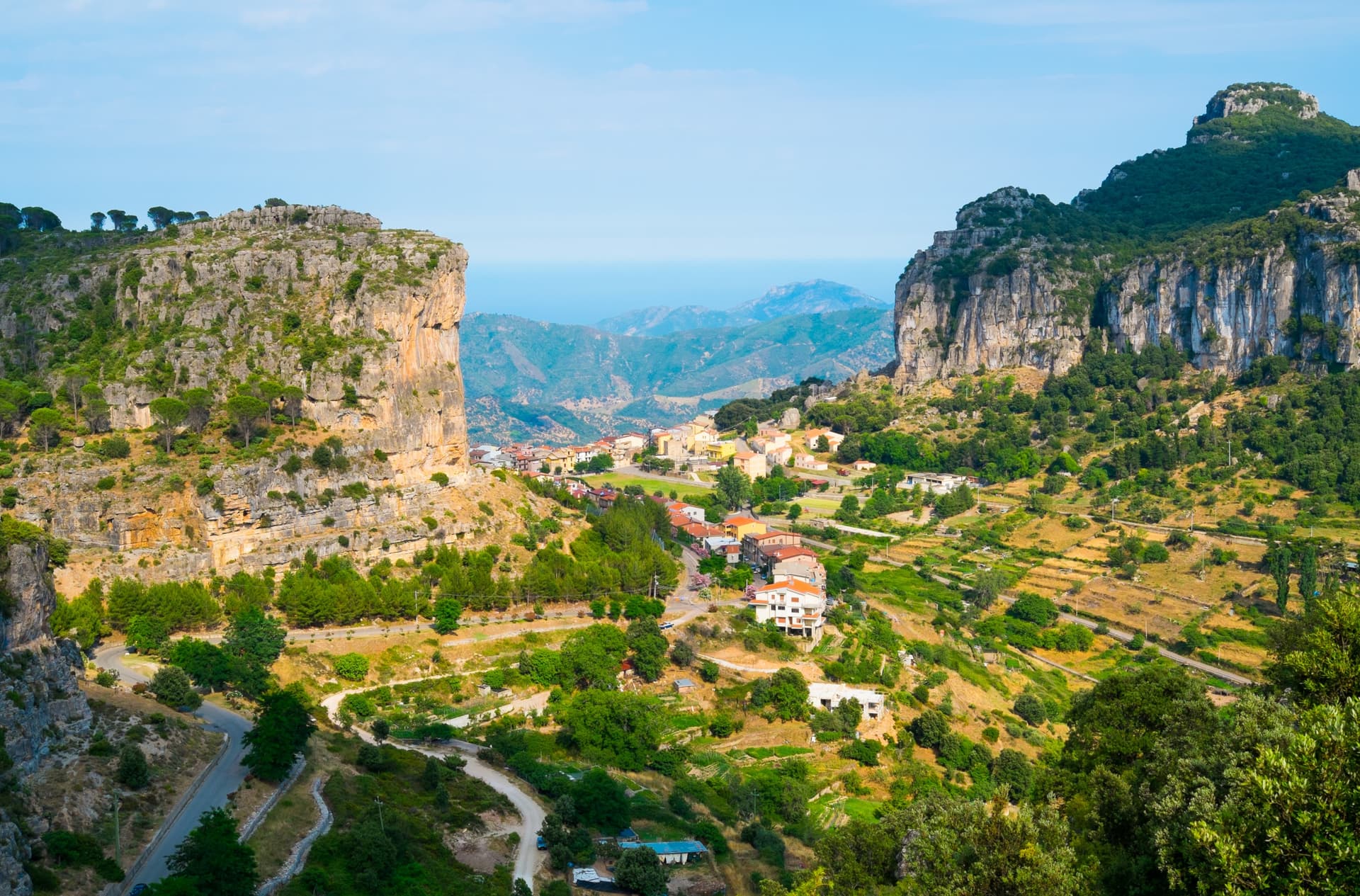
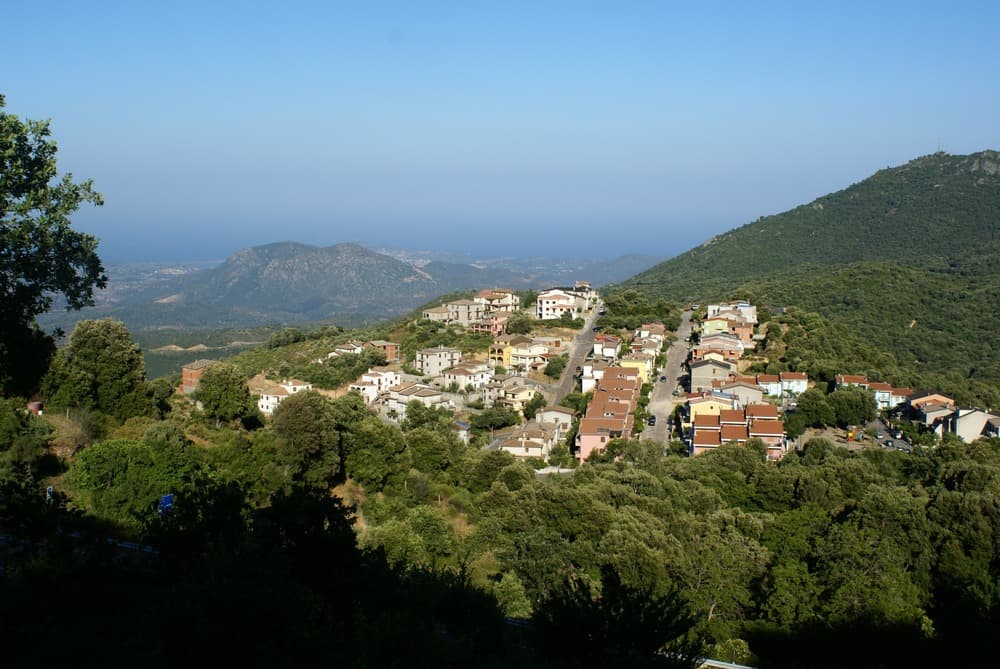
On land, the gulf is anchored to two very different villages. Cala Gonone, in the municipality of Dorgali, is a seaside resort born in the 1960s when a road tunnel pierced the mountain from inland. Most of the maritime shuttles and excursions to Grotta del Bue Marino, the former lair of the monk seal, depart from here. Further south, Baunei overlooks the Golgo plateau 400 metres above the sea, a pastoral karst dotted with shepherds' huts where goats and black pigs are still raised. The descents to the coves—Cala Goloritzé, Cala Mariolu, Cala Sisine—all start from this plateau via technical trails lasting 2 to 4 hours.
The culture of the gulf is less maritime than one might expect. The inhabitants of the interior, Dorgali, Baunei, Urzulei, long turned their backs on the coast, deemed unhealthy and exposed to Barbary raids until the 19th century. Fishing remained secondary here. Even today, the local cuisine owes more to the Supramonte than to the sea: porceddu roasted on a spit, su filindeu from Nuoro, aged sheep's cheese, carasau bread baked in thin sheets. In Cala Gonone and Santa Maria Navarrese, one finds grilled fish and fregola with seafood, certainly, but the identity remains pastoral.
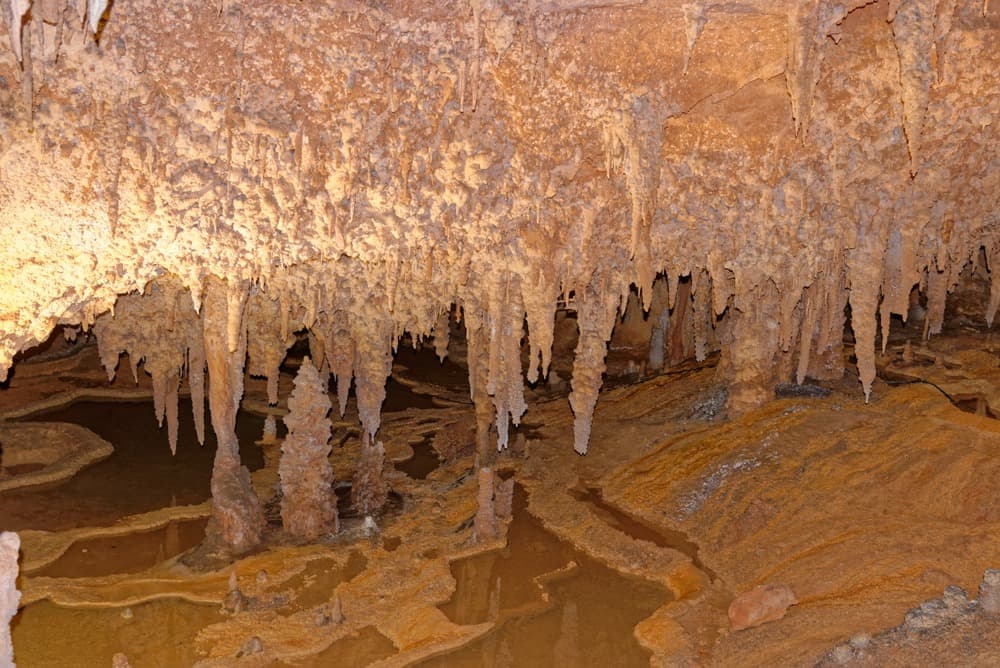
Limestone also dictates freshwater. Winter rains disappear into the fissures of the Supramonte and resurface at the coast as springs, sometimes directly into the sea. The Codula di Luna, a canyon dry for most of the year, opens onto Cala Luna after 7 kilometres of gorges. The Codula Sisine feeds the cove of the same name. This underground hydrology has carved out a network of caves, of which Grotta del Bue Marino and Grotta del Fico, accessible by guided tour, give an idea of the scale.
Protected status conditions your visit. Cala Goloritzé, classified as a natural monument since 1995, is limited to 250 visitors per day with mandatory reservation in high season, boat landing forbidden within 200 metres. Cala Mariolu also applies a quota. These rules, poorly known to travellers arriving independently, justify on their own the use of a local agency to arrange permits and shuttle slots.
The gulf can therefore be experienced in two complementary ways: from the sea, sailing from cove to cove over the course of a day, or from land, staying in Baunei or Cala Gonone and hiking down to one or two calanques. Hikers extend towards the Selvaggio Blu, the mythical 5 to 7-day crossing between Pedra Longa and Cala Sisine, reserved for experienced hikers with cliff abseiling. Most of our travellers simply combine two or three hikes down with a day by boat, which is enough to grasp the scale of the place.
To discover
Cala Goloritzé by trail. A 1.5-hour descent from the Golgo plateau to the cove at the foot of the Aguglia, a 148-metre limestone needle. Access limited to 250 people per day, mandatory reservation from June to October.
Maritime shuttle from Cala Gonone. Daily connections from April to October to Cala Luna, Cala Mariolu and Cala Sisine. One day is enough to visit two coves with swimming and a picnic lunch on board.
Grotta del Bue Marino. A gallery carved by an underground river over more than one kilometre, guided tour of about 45 minutes. The last refuge of the Mediterranean monk seal until the 1980s.
The Golgo plateau at Baunei. A karst plateau 400 metres above the sea, dotted with active shepherds' huts and the Golgo sinkhole, a 295-metre-deep pothole. Here you can dine on porceddu in the cuiles, old shepherds' cabins converted into restaurants.
Selvaggio Blu, for experienced hikers. A 5 to 7-day crossing along the cliffs between Pedra Longa and Cala Sisine, with climbing passages and abseils up to 45 metres. Water supplies via caches organised in advance.
When to go
The best window for the Gulf of Orosei runs from mid-April to mid-October. In April and May, the water remains cool at 17 to 19°C but the trails are in bloom, hiking temperatures are ideal (20 to 24°C during the day) and the coves are nearly empty. June and September are our preferred months: sea at 22-24°C, shuttles in full operation, manageable crowds. July and August concentrate most visitors, with temperatures of 32 to 35°C on exposed trails and quotas reached very early on Goloritzé and Mariolu—you must then book several weeks in advance.
Between November and March, shuttles no longer run, many accommodations in Cala Gonone close, and autumn storms (peaks in October-November, sometimes over 100 mm in 24 hours) can make the codule, canyon beds, dangerous. Hiking remains possible on the Golgo plateau in dry weather, but it is no longer the same region.
Practical advice
We recommend a minimum of 3 to 4 nights on the gulf to combine a day at sea, a hike down into a cove and an evening on the Golgo plateau. The logistical entry point is Olbia airport (1.5 hours' drive to Cala Gonone, 2 hours to Baunei); Cagliari also works but adds 2.5 hours to the journey. Accommodation is split between the hotels and bed & breakfasts of Cala Gonone, more convenient for maritime shuttles, and the agriturismi of the Baunei hinterland, more authentic but a car is essential.
The gulf naturally connects with the Barbagia and Supramonte to the west, the massif is the same and the villages of Dorgali, Orgosolo, Oliena are only an hour's drive away—this is the combination we propose most often. The link with Gallura to the north is made in 2 hours' drive and allows you to alternate between cliffs and granite coastline. This region suits hikers in good condition, families with teenagers (children under 8 struggle on the descent trails), and contemplative travellers who are happy to spend their days on boats rather than in cars.