Scala di San Giorgio (Stairway of Saint George)
Scala di San Giorgio (Stairway of Saint George)
A spectacular limestone gorge overlooking Osini in Ogliastra, Scala di San Giorgio combines medieval Christian legend, hiking, and panoramic views across eastern Sardaigne.
Who hasn't returned from a trip to Sardaigne without thinking of Scala di San Giorgio? Here's what you need to know about this unique attraction in Osini.
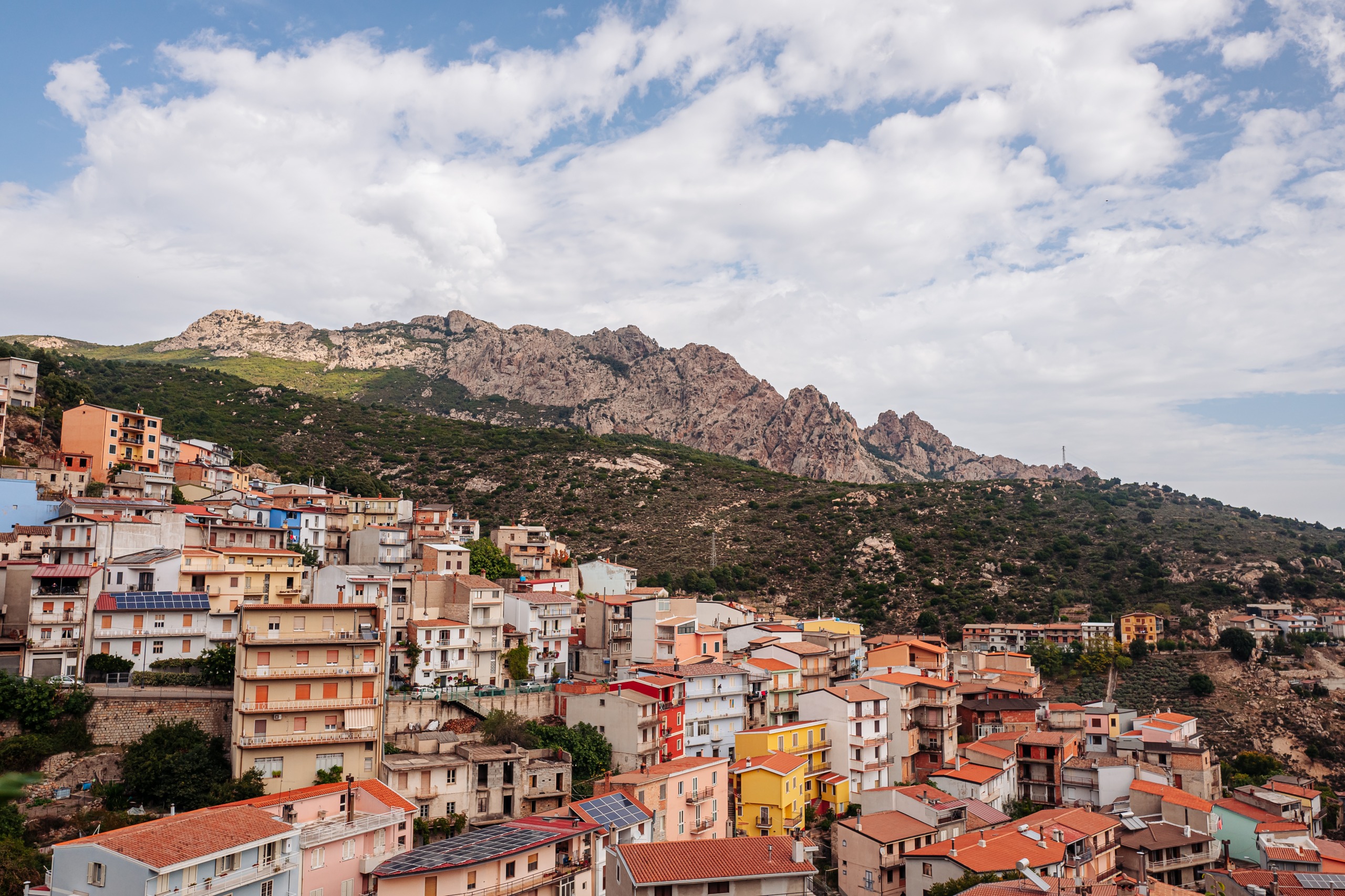
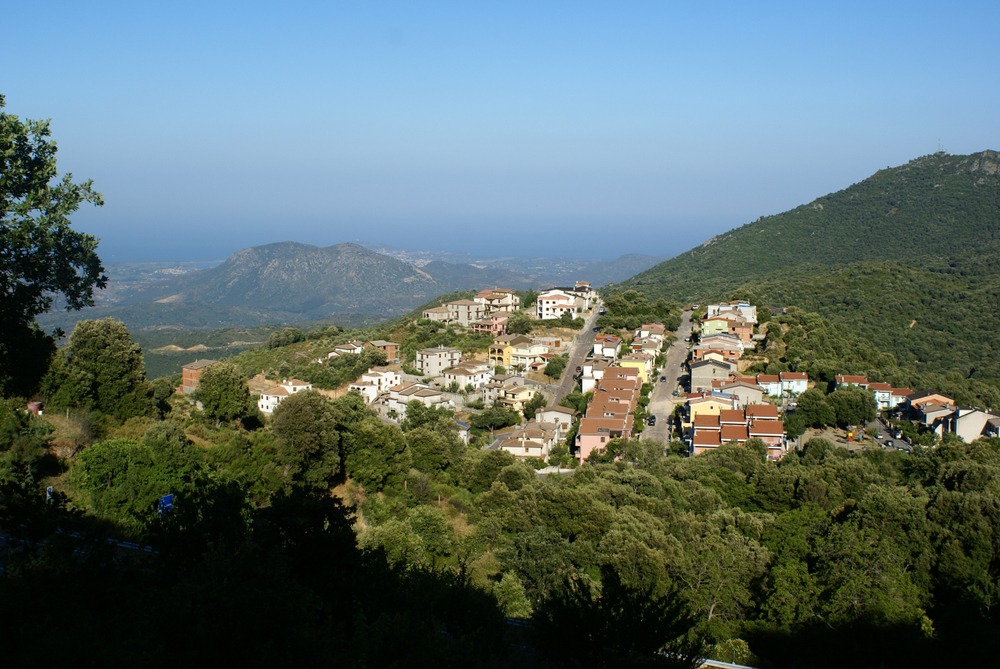
The rugged and weathered landscape of Sardaigne holds countless unexpected treasures. When heading to Osini, a mountain village in Ogliastra 70 km from Cagliari, visitors will be delighted to make their way to the Scala di San Giorgio. This mysterious gorge carved into a mountainous massif is said to have been created by divine intervention. A wonderful mountain hike where you traverse cliffsides and discover Mediterranean vegetation. A historic walk in the footsteps of the sainted bishop who lent his name to the monument. The spring that San Giorgio caused to flow and the countryside chapel dedicated to his name convey a powerful message of spirituality. Without question, Saint George's stairway is a monument of major historical significance and natural heritage absolutely worth discovering on your next excursion to the Ogliastra region.
The history of the scala: a miracle of Christian faith
The venerable priest to whom the gorge's creation is attributed was a Roman martyr who lived between the 3rd and 4th centuries. A hagiographic text from 1117, titled Legenda Sanctissimi Georgii presulis suellinsis, documents the event. "While traveling, [Saint George] came upon a mountain with a road that would have been shorter and more direct if it could be crossed," the text reads. The man of God was moved to pity at the sight of poor, exhausted travelers who would have to walk much further because the mountain was impassable. George appealed to the Almighty; answering his prayer, God opened a secret passage through the mountain. That wasn't all—God also caused a spring to flow nearby, allowing travelers to drink and regain their strength.
While the rocky fissure dates to the Christian era, the surrounding mountainous area appears to have been occupied later by Romans and Byzantines. Coins and terracotta objects discovered on the site confirm this. The Latin-sounding place name—s'Assa de su Casteddu (castle wall)—used to designate the upper end of the canyon proves this. Historians believe the Romans established a military outpost there, and that later the location housed an aristocratic palace or manor.
Hiking through Scala di San Giorgio
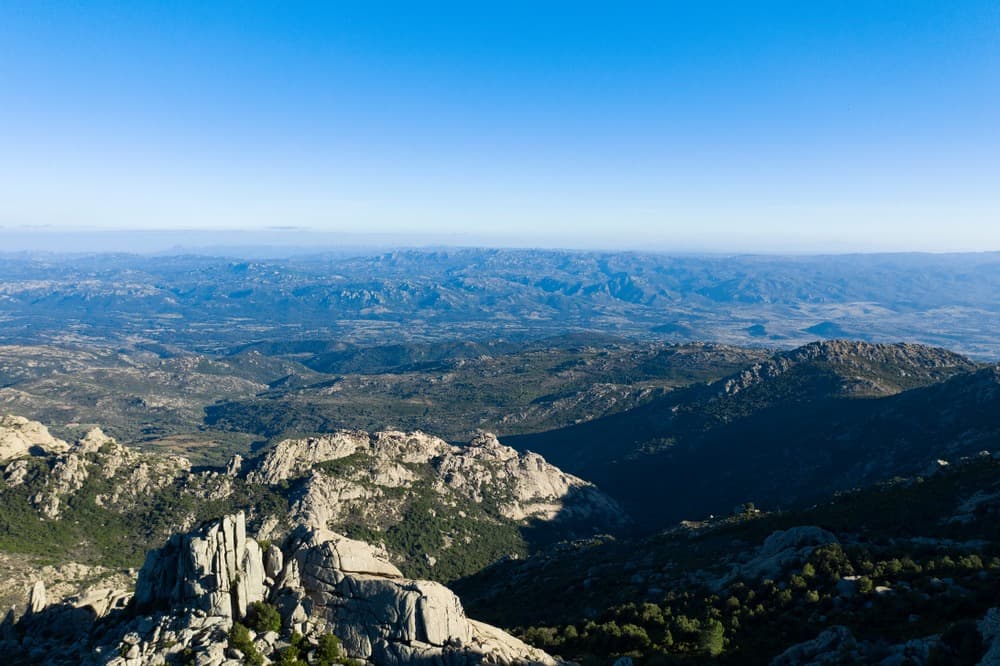
The path leading to the canyon entrance is entirely paved. The passage opens via a fissure at the edge of the karstic plateau. Moving into the canyon, your gaze is immediately captivated by limestone walls towering 50 meters high. You'll see spectacular crevasses, eroded rock fragments, and deeply carved formations. You can only stand in awe before this magnificent geological ensemble! The site's main attraction is undoubtedly the Brecca e' Usala: a 100-meter-deep fissure that cuts longitudinally through the gorge.
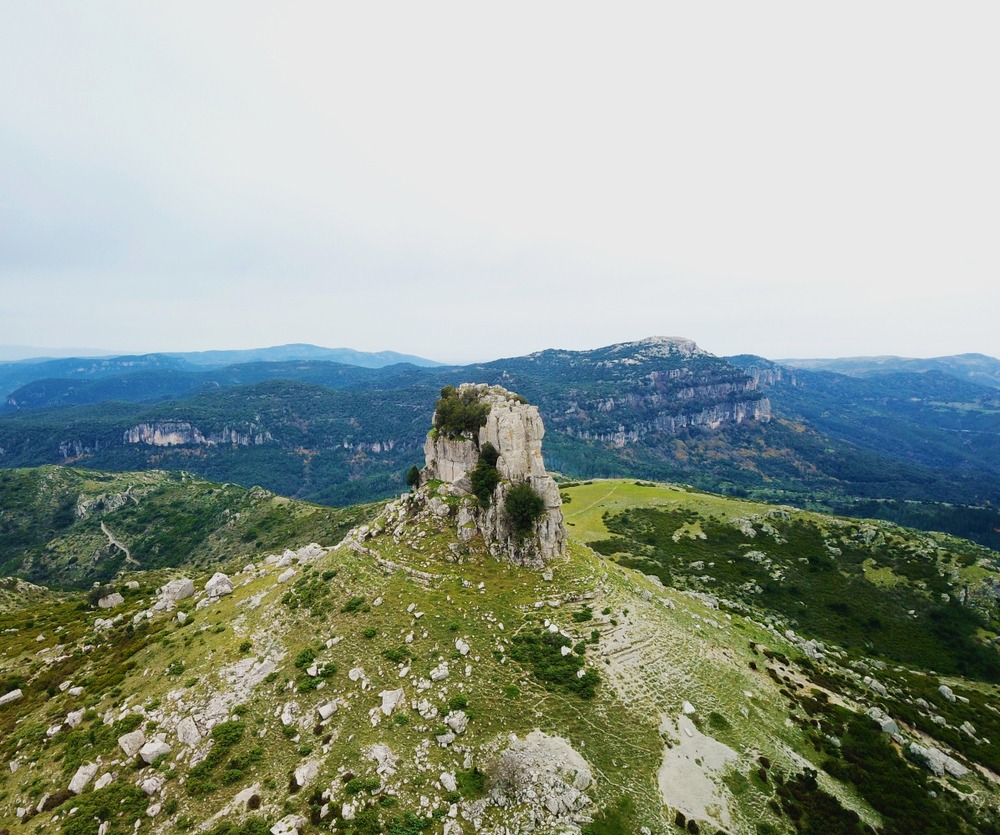
An asphalt path winds between the rock walls, allowing you to climb easily through the canyon. Hikers then reach a limestone heel—a rocky outcrop typical of Sardaigne whose shape resembles a keep. Following the ridgetop path, where oaks alternate with pines and strawberry trees, you'll arrive at the village's highest peak, known locally as "the castle wall." This viewpoint stands at just under 1,000 meters elevation. On clear days, it offers a sweeping vista across the entire Ogliastra area, from wooded cliffs to the sea.
After exploring the famous canyon, you can visit the countryside chapel erected in honor of Saint George. It stands right at the foot of the canyon. An annual festival animates the chapel toward the end of April, when crowds honor San Giorgio's memory with a colorful procession, followed by dancing and a feast.
Your route can easily continue into the Valle di Taccu, a site brimming with archaeological treasures. Nuragic towers rise here and there among the cliffs, testament to an ancient Sardinian civilization dating to the Bronze Age. Don't miss the magnificent nuraghe of Serbissi.
Whether departing from Barbagia di Seulo, Ulassai, or Tortoli, you can use public buses to reach Osini. Foreign visitors must first fly into Olbia or Cagliari, then take a taxi to the village.
Access to the canyon is very easy, as a paved road connects it to central Osini.
In the surrounding area…
Leaving Scala di San Giorgio, other monuments worth visiting are nearby:
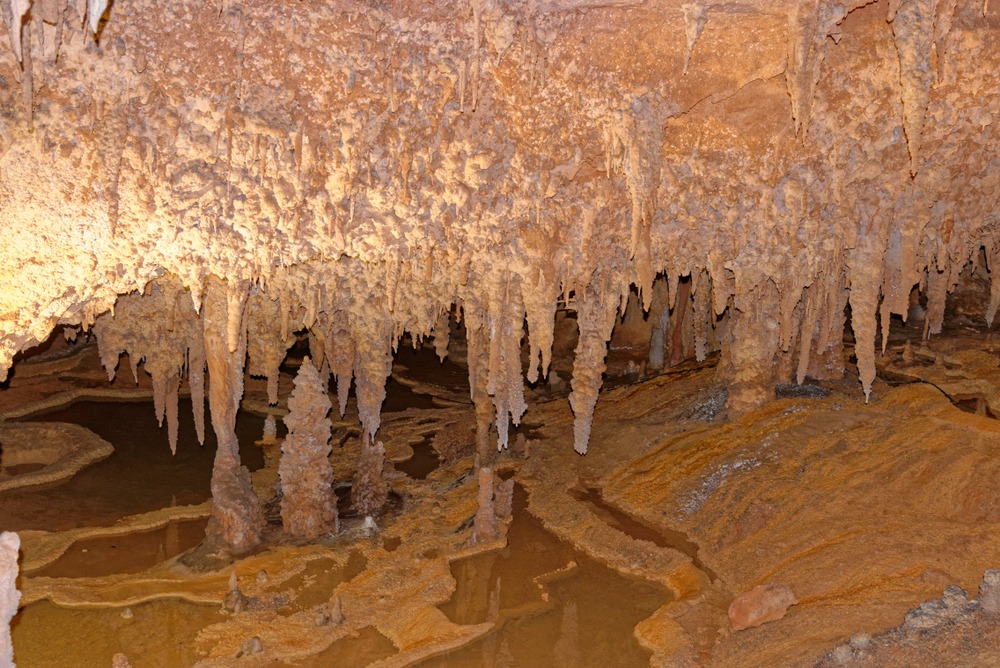
- The natural caves of Si Marmuri, Ulassai;
- Artistic works by Maria Lai, Costantino Nivola, and Pinuccio Sciola that lend unique character to the town of Osini;
- Maria Lai's Stand of Art museum, Ulassai.
Nearby
Interested in this visit?
We can include it in your personalised itinerary.