Villagrande Strisaili
Villagrande Strisaili
In the heart of Ogliastra, Villagrande Strisaili blends trekking in the Gennargentu, exceptional Nuragic archaeology, and living agropastoral tradition.
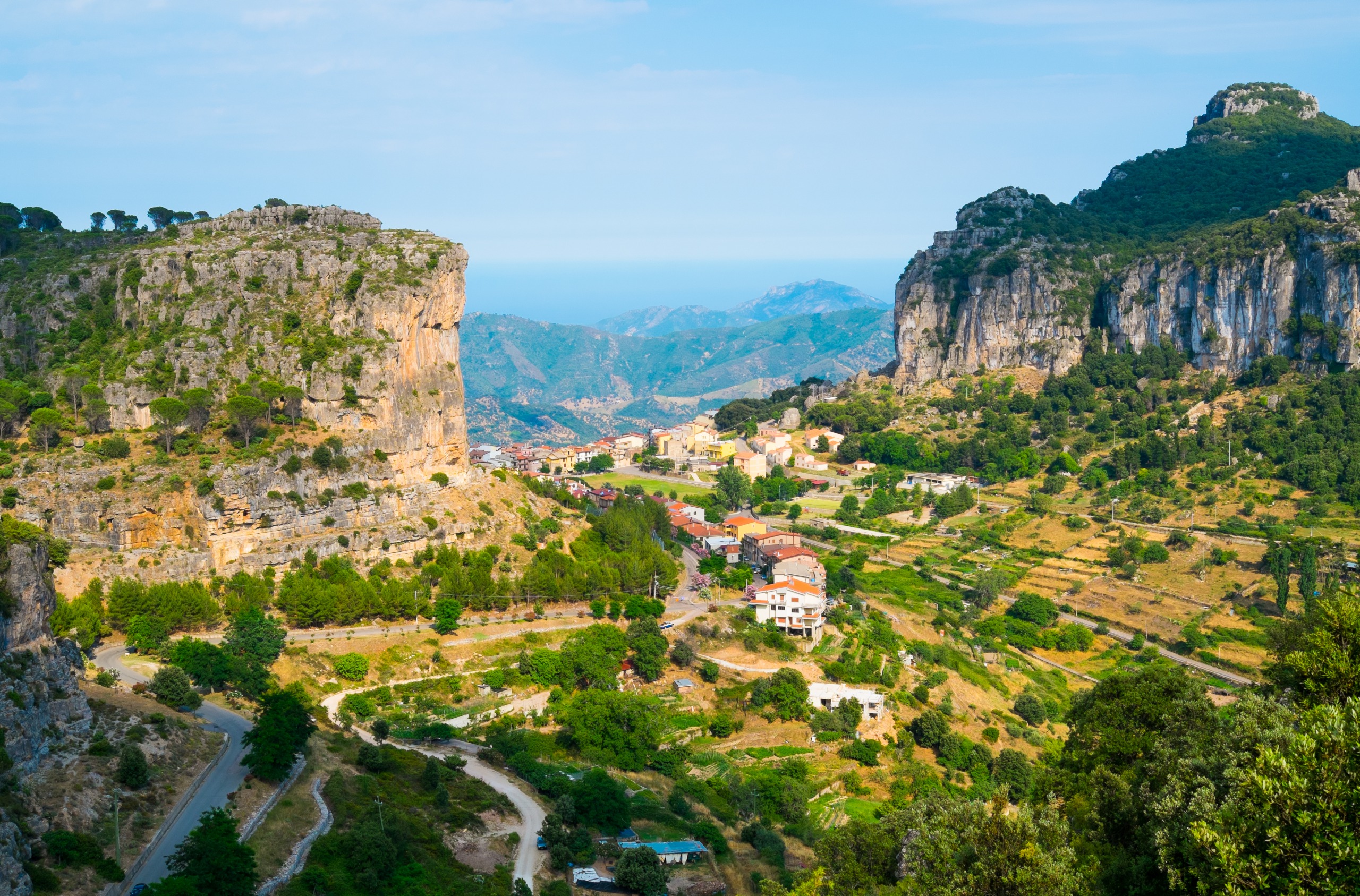
Lost in the mountainous foothills of Gennargentu, the village of Villagrande Strisaili, in the very heart of Ogliastra, is a destination for trekking and adventure.
Looking to enjoy mountain trekking without giving up the pleasures of sand and sea? Agritourism destinations in Sardaigne blend the two beautifully. Head toward Villagrande Strisaili, a rural town in Nuoro, just under 20 km west of Tortoli. Wander freely through forests of oaks and junipers, or near waterways lined with weeping willows. Explore the Nuragic ruins of Troculu and Sa Carcaredda. Share the idyllic world of shepherds; you'll see pigs and goats roaming freely in nature. Taste the agrifood products of the region, including the delicious ham, the fortune and pride of the inhabitants. Villagrande's geographical position works very much in its favor: accessible just 20 minutes' drive from the sea, the town offers a sublime view over the port of Arbatax. Highly recommended!
Historical Notes: A Community of Agropastoralists Since Its Founding
After being occupied by an early settlement belonging to the Nuragic civilization, as confirmed by the domus de janas and nuraghs scattered across the high plateaus, the village became a Roman dependency.
While most of us know Villagrande Strisaili as a land of vineyards, olive groves, and lush pastures, it's worth noting that this agricultural tradition dates back to ancient times. The name Villagrande Strisaili is composed of two words: "Bidda Manna" which translates to "great village" in the Sardinian dialect, and "Tres Ailes" or "three sheepfolds." This name is revealing of the settlement's history: a group of transhumant herders emigrated from Desulo and Talana to settle in the territory.
Of the Aragonese presence, no trace remains except for a handful of medieval churches. From its glorious religious past—Villagrande was subject to an ecclesiastical regime—the village has preserved seasonal patron saint festivals, such as the Saint Gabriel festival, celebrated in honor of the city's protector. Yet it seems that attachment to Mother Earth has been a constant; the modest life of the shepherd, the devotion to caring for goats and sheep, the gentleness of the mountain meadows... The inhabitants never had the courage to tear themselves away.
Today
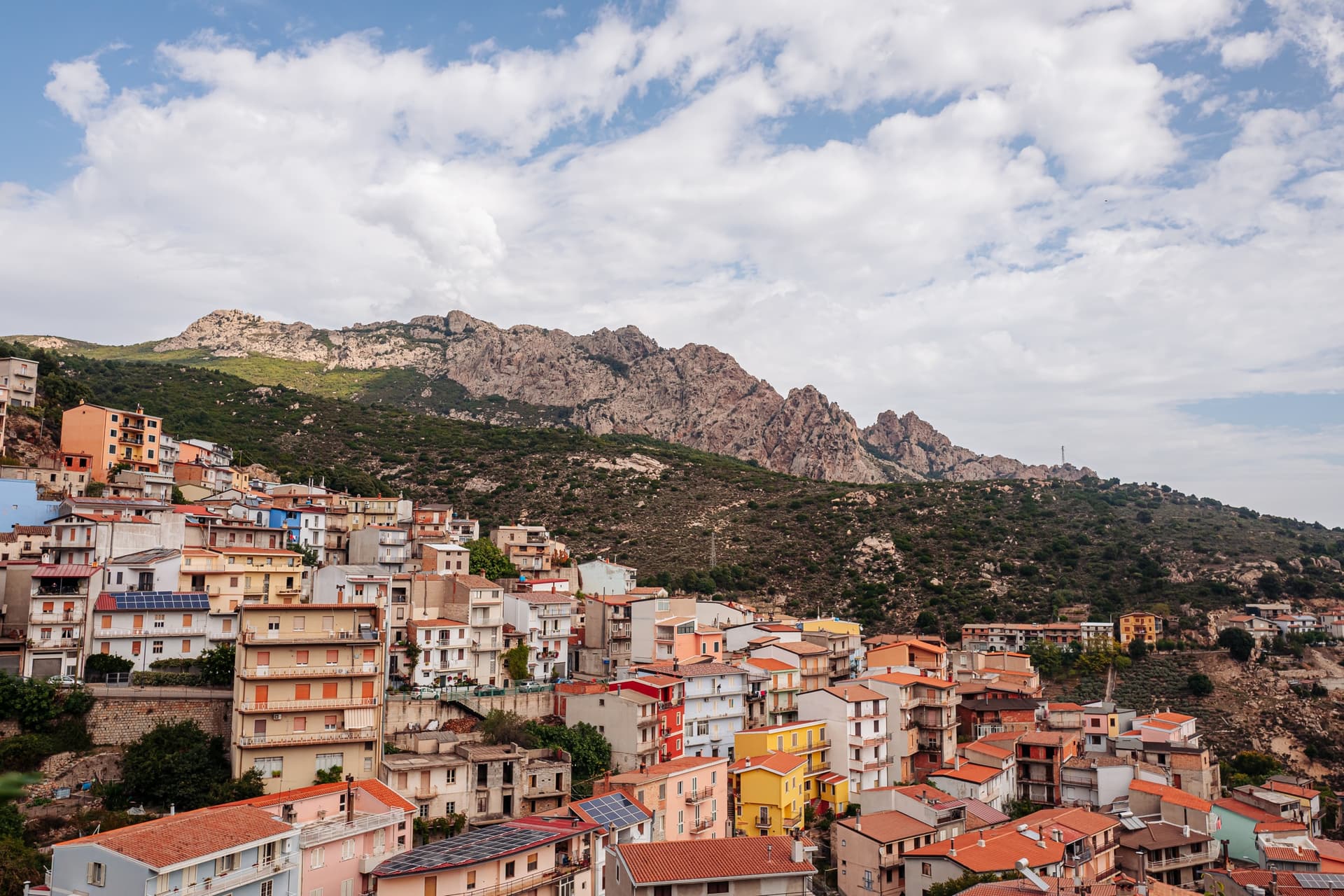
Removed from mass tourism, Villagrande Strisaili is a peaceful village of barely 3,000 inhabitants. Rolling terrain, rivers and small streams, a band of 700-meter cliffs dotted with nuraghs and menhirs... this landscape speaks volumes: we are in the wild and sensual land of Ogliastra. Nearby municipalities are Tortoli, Desulo, Fonni, and Orgosono.
The local economy has diversified notably: dairy and cheese-making units are multiplying, the timber trade is active, and many farms adopt organic vegetable farming systems. The fact remains that agropastoralism is a tenacious tradition in Villagrande. Some call it a sign of underdevelopment; but proud of their roots, the islanders have leveraged this challenge to break into the agritourism sector.
The proximity to the coast works in Villagrande Strisaili's favor, as vacationers can easily alternate between beach pleasures and forest hiking. Worth serious consideration if you're planning a culturally immersive journey in Sardaigne. Plus, you'll be helping a low-income village that clearly suffers from rural exodus.
What to See and Do
Naturalists, hikers, and fine food enthusiasts won't have time to get bored visiting the village of Villagrande.
Natural Heritage
- The Sothai Waterfall: Sardaigne's forestry authority has marked the trail leading to the falls. The enchanting natural setting is worth the trip alone. Plunging 70 meters high, the Sothai cascade joins the Bau Vigo canyon with a tumultuous roar. Walking through the Santa Barbara woods, the hiker will reach the second level of the waterfall, where the waters of the Flumendosa feed a hydroelectric dam.
- The Santa Barbara Forest: Spanning 646 hectares, the Santa Barbara park is, for its chapel, towering cliffs, and clearings shaded by oaks and firs, a favorite meeting place for walkers. It also hides a megalithic burial site.
Cultural and Religious Heritage
The Saint Gabriel Church: the archangel Gabriel, in honor of whom the parish is dedicated, is the patron saint of Villagrande Strisaili. Saint Gabriel's Day, celebrated regularly on August 1st, is an important event;
The Saint Barbara Church: more popular is the feast of Saint Barbara held on the second Sunday in July. It's worth coming, as a vibrant procession is organized the day before the festival to show the saint's image to the public. The faithful honor her through local folk dances.
The Santu Giaccu Church: architecturally, the small chapel pales in comparison to the Saint Gabriel church. Nevertheless, it holds to tradition: on Palm Sunday, a crowd of faithful processes from the Saint Gabriel church to the Santu Giaccu church in memory of the day the Messiah triumphantly entered the gates of Jerusalem, waving palm fronds.
Archaeological Heritage
When passing through Villagrande, visitors will find an extraordinary concentration of Nuragic ruins they won't find anywhere else in Sardaigne. The inventory includes 17 nuraghic towers, 10 abandoned villages, and 7 giants' tombs. To this add 5 domus de janas (legendary creatures half-fairy, half-witch who sheltered in the village caves) restored to their original structure. Here are the most remarkable Nuragic remains:
the S'Arcu'e Forros complex: located near the Flumendosa hydroelectric facility, the site, consisting of a megaron sanctuary built of schist and granite and three fortified towers, is a rare example of Nuragic structure;
the Sa Carcaredda complex: you can identify the remains of a hamlet near the site, but the most interesting feature is the quartet of megalithic tombs;
the Troculu complex: by inspecting the ruins of a village, two defensive-purpose nuraghs, and a giants' tomb moved to the plateau during a road project, the visitor will find themselves dreaming about what this place looked like three thousand years ago.
To reach Villagrande Strisaili, the simplest way is to fly into Arbatax. Numerous airlines serve Arbatax airport. Once you land, all you need to do is hail a taxi to reach the town center in 20 minutes.
Best Time to Visit
Coming in the height of summer isn't advisable, as the sun beats down with intense rays (temperatures easily exceed 30°C). Better to plan your stay in Villagrande for May, September, or October. For a cultural trip, time your departure with the festivals to participate in the local celebrations.
You'll Love...
Strolling through Santa Barbara park;
Exploring the domus de janas;
Taking photos of the megaron temple at S'Arcu'e Forros, an iconic monument of Villagrande;
Joining in the joyful local festivities;
Tasting excellent local pastries;
Visiting a wine cellar or an organic farm.
Want to discover this destination?
Our local advisors design your tailor-made trip.