The Gulf of Orosei
The Gulf of Orosei
40 km of cliffs, coves accessible by boat or hiking trail, limestone caves and nuragic sites on the eastern coast of Sardaigne.
On the eastern coast of Sardaigne, the Gulf of Orosei is renowned for showcasing the most stunning vistas in Sardaigne. Here's an overview of the must-see attractions.
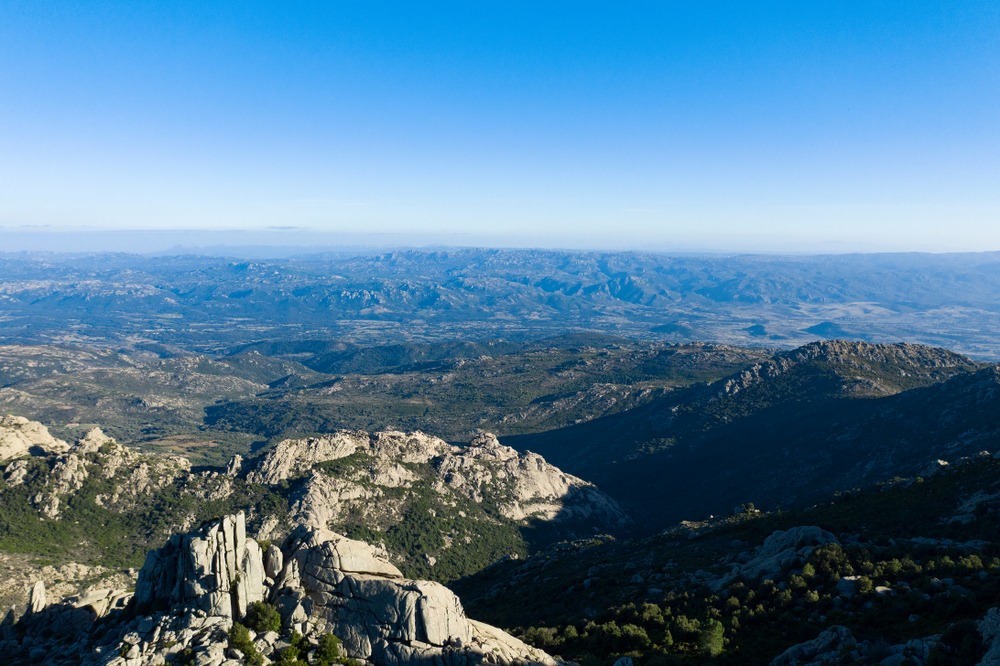
Two benevolent fairies blessed Sardaigne at its birth: one granted it radiant light, and the other a breathtaking maritime facade. To truly appreciate the treasures of this wild coastline, a stay on the Gulf of Orosei proves essential. In the province of Nuoro, the emerald-green sea traces a sweeping arc along white sandy shores. The Supramonte mountain range towers majestically over the gulf, carved into sandstone and porphyry cliffs at Baunei, plunging into deep canyons at Cala Gonone, giving way to pebbles and red coves at Cala Biriolu, and forming a striking stone arch at Cala Goloritzé. This perfect union of mountain and sea is precisely what defines the charm of the Gulf of Orosei. If heights aren't your passion, there's an easy remedy. The water clarity is such that swimming, diving, and pleasure boating promise to be unforgettable.
History
The earliest signs of human settlement in the Gulf of Orosei date back to the nuragic age, around 1300 B.C. The archaeological sites of Baunei and Nuraghe Mannu preserve, among other treasures, traces of this ancient colony. After a lengthy period when Genoa and Pisa competed for control, the region came under the rule of the House of Aragon.
The coastal villages dotting the gulf were founded at the dawn of the 20th century. Fishing forms the backbone of the regional economy. Wine, olive oil, and cheeses are also strategic resources. Today, emigration is offset by tourism, which employs a significant portion of the local workforce.
The Gulf of Orosei: a spectacular coastal facade
If tourism flourishes along Sardaigne's eastern coast, the Gulf of Orosei deserves much of the credit.
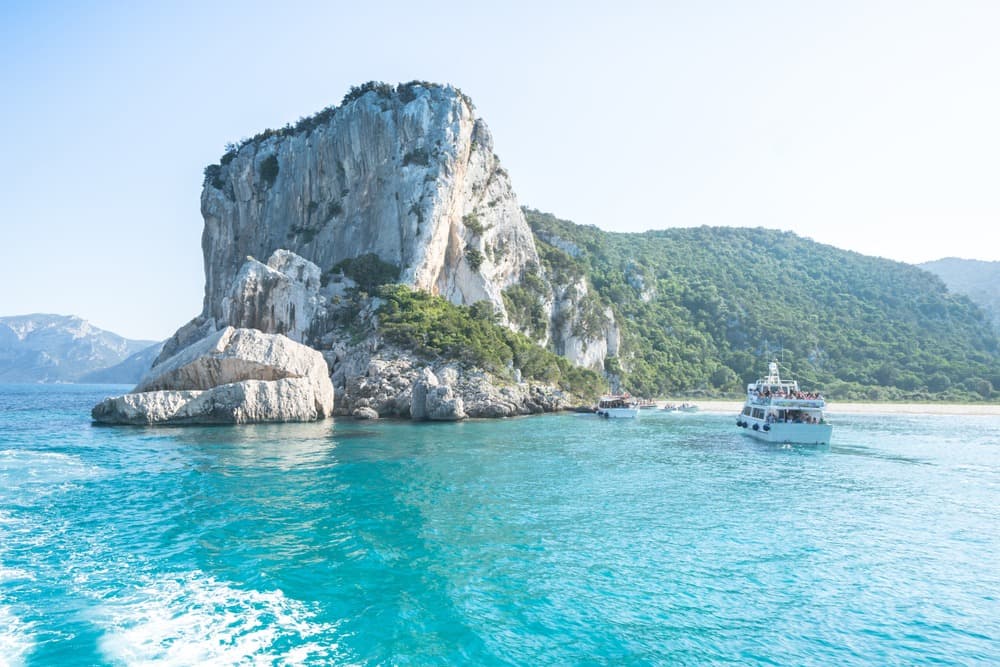
Forested cliffs stretch for more than 40 km, overlooking seemingly endless white sand beaches. Mountain enthusiasts from around the world flock here for trekking, climbing, and activities like paragliding, falconry, and birdwatching. The limestone canyons and caves, notably the Bue Marino cave, that punctuate the shoreline also draw countless visitors.
To pristine nature is added maritime adventure, all the more appealing given the controlled water quality and the fact that some beaches remain untouched and wild. They fall under special jurisdiction as part of the Gennargentu national park. The charming beach resorts of the Gulf of Orosei thus invite both leisurely relaxation and adventure tourism.
The beach resorts of the Gulf of Orosei
To explore the treasures of the Gulf of Orosei, the easiest approach is to purchase a cruise package. Working with your travel agency in Sardaigne, you can arrange boat excursions lasting one or two days, visiting the surrounding resorts one after another.
Cala Mariolu
Tourists often rush past this cove, but it harbors a series of underwater grottos. Don't miss the Del Fico cave, accessible exclusively by ferry. For your information, Cala Mariolu—the cove of thieves—is one of Italy's last natural habitats for the Mediterranean monk seal. An incorrigible fish thief, the seal often frustrates local fishermen, a fact the resort's name aptly recalls.
Cala Luna
Palm trees, fine sand, charming little coves... Cala Luna beach is, along with Cala Goloritzé, the finest jewel of the Gulf of Orosei. Speleology enthusiasts will relish exploring the caves carved by the sea.
Cala Gonone
The wooded and dramatic terrain of Cala Gonone betrays its purpose: the resort was developed for ecotourism. Hikers navigate through Mediterranean maquis forests, dominated by pine, arbutus, and holm oak. They can enjoy a wildlife photography safari spotting birds of prey before descending the cliffs.
There's little time for leisurely relaxation, as fabulous treasures await along the coast: the Bue Marino caves and the Ispinigoli cave. It's extraordinary to venture into these galleries of stalactites and stalagmites formed millions of years ago. A saltwater lake sits in each of the two caves. The second is arguably the oldest, particularly given that a natural column 38 meters tall hangs from the vault ceiling. But the Bue Marino caverns hold another attraction: music lovers gather here for the Cala Gonone jazz festival. Each year, renowned artists perform on the square during the last ten days of July.
Cala Sisine
The Cala Sisine coast is covered with brown or grey pebbles, the result of metamorphic rock erosion. To reach it, simply follow the SS125 road before taking a small pathway. The beach is also accessible by sea. You may spot nuraghe structures and giant tombs.
Cala Goloritzé
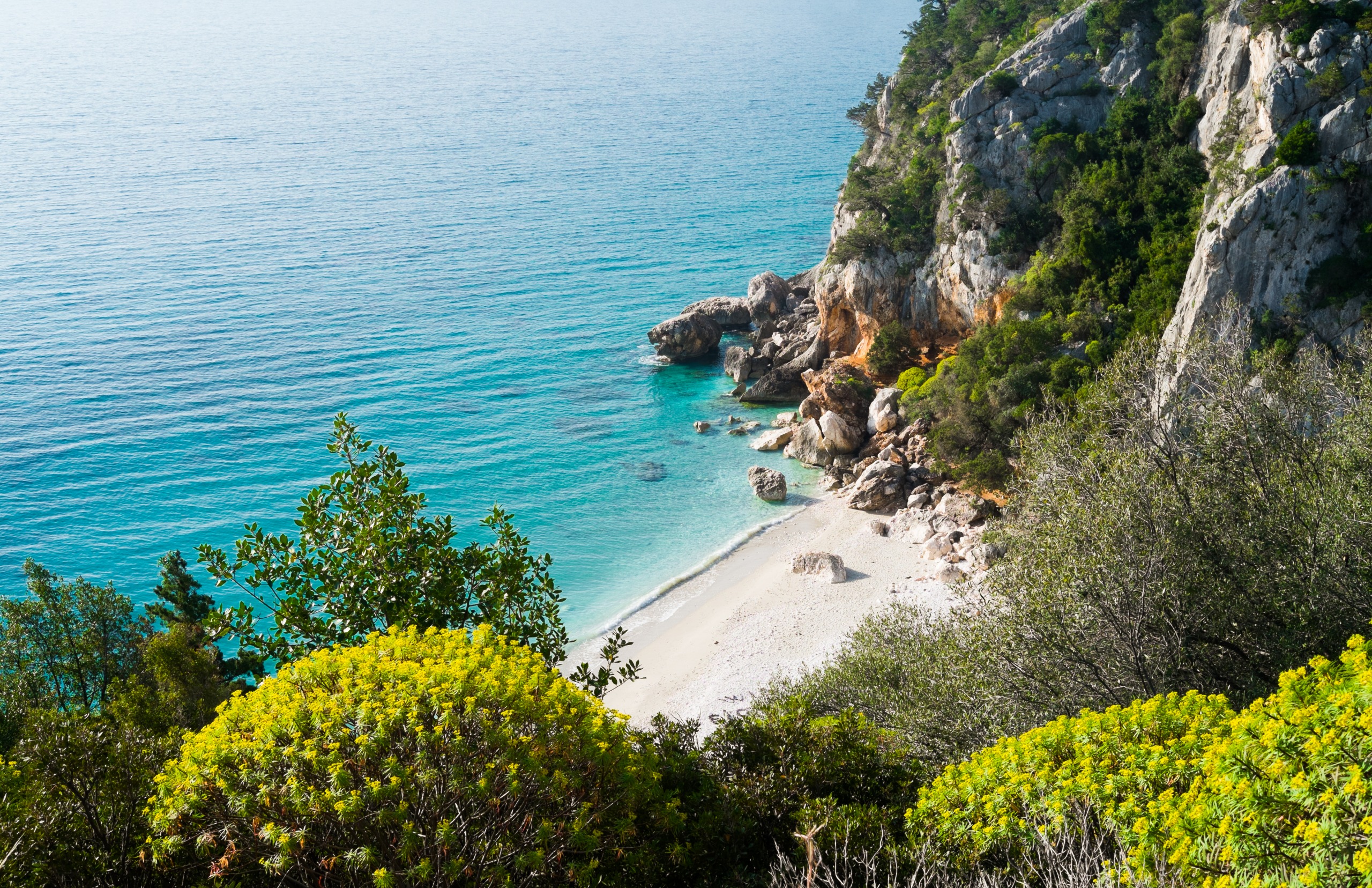
Leaving Cala Luna, you head toward Cala Goloritzé, Sardaigne's most beautiful cove. If the thought of hiking for 90 minutes with a 470-meter elevation gain intimidates you, driving is your only transport option. In the spirit of responsible tourism, motorboats are no longer permitted to dock in the bay. As you reach the beach, you'll ascend a natural arch standing 140 meters high. You'll enjoy a unique vantage point near the Aguglia a Tramontana, a beautifully sculpted needle-like rock formation. The turquoise waters will tempt you to swim.
Bue Marino Caves
Music lovers will be delighted to visit this resort. A jazz festival featuring renowned artists takes place here each year.
The hinterland
While the beaches of the Gulf of Orosei are spectacular, the hinterland lives up to expectations as well.
- The Goroppu Gorges: a deep canyon overlooked by high plateaus and dramatic cliffs;
- The Tiscali Fortifications: located about twenty kilometers from Dorgali, the town of Tiscali, encircled by ramparts and fortified towers, has preserved a typical medieval character;
- Lake Cedrino: a gathering place for canoeing and rafting enthusiasts;
- The city of Dorgali: it rivals Tiscali with its rich historical heritage, but its Archaeological Museum sets it apart. The museum paints an elegant picture of nuragic civilization while displaying ruins from Carthage and the Roman Empire. Craft enthusiasts will find treasures in the old town: ceramics, carpets, and wooden sculptures;
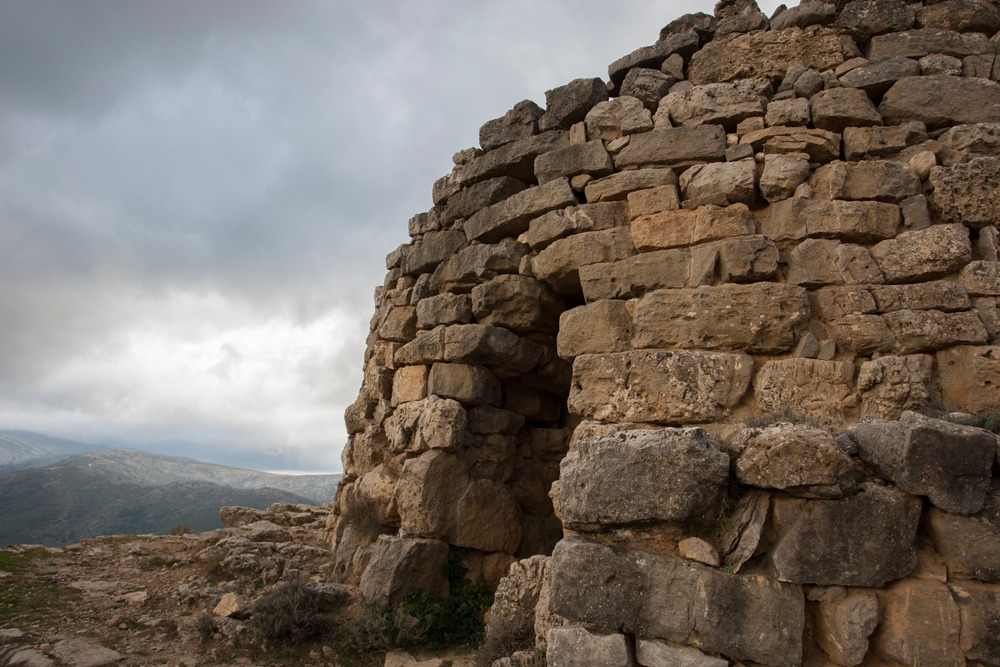
- Nuraghe Mannu, an archaeological site near Cala Gonone: overlooking the waterfront, Nuraghe Mannu is a relic of the nuragic era. It takes the form of a round tower built from basalt and trachyte, perched 180 meters above sea level. The tower stands 4.7 meters tall. Those who make the climb are rewarded with a commanding view of Cala Fuili beach and surrounding coves. At the tower's base lies a cluster of nuragic structures—round or rectangular huts crudely constructed from stone. The walls are built from stacked stones with no binding or mortar.
When to visit?
The Gulf of Orosei region enjoys a Mediterranean climate. If you wish to enjoy the pleasures of the sea, summer is when everything happens! Don't forget to pack sunglasses and sunscreen, as the sun is intense between June and late August.
For an adventure-focused trip—climbing or cave exploration—there's little reason to visit the Gulf of Orosei during peak summer. Plan your dates for April or May instead, when temperatures are still mild and olive groves and vineyards bloom again, making forest walks enchanting.
Cala Gonone is the region's largest city. It has air, land, and sea connections with major Mediterranean destinations.
By plane
Tortoli Airport is closest to Cala Gonone. Flights from Verona, Milan, and Rome serve this airport. Upon leaving the terminal, hail a taxi or Uber to reach the city center. The distance is 68 km.
Olbia Costa Smeralda Airport is more recommended for foreign visitors. It's easy to find flights to Olbia from Paris, Ajaccio, Lyon, Nice, or Bordeaux. The distance to the city center is 108 km.
By car
If your budget allows, hire a private vehicle. Starting from Arbatax, drive along the SS125 toward Olbia. You'll reach Cala Gonone after 60 km of driving.
You'll love…
- Admiring the spectacular cove of Cala Goloritzé;
- Taking in the grandiose panorama of Cala Luna, near Cala Biriola;
- Swimming in the Venus Pool;
- Exploring the natural caves of Bue Marino;
- Scuba diving;
- Tasting the castigliones, a delicious Sardinian specialty;
- Staying in a luxury hotel.
Nearby
Interested in this visit?
We can include it in your personalised itinerary.