Nuraghe of Accodulazzo
Nuraghe of Accodulazzo
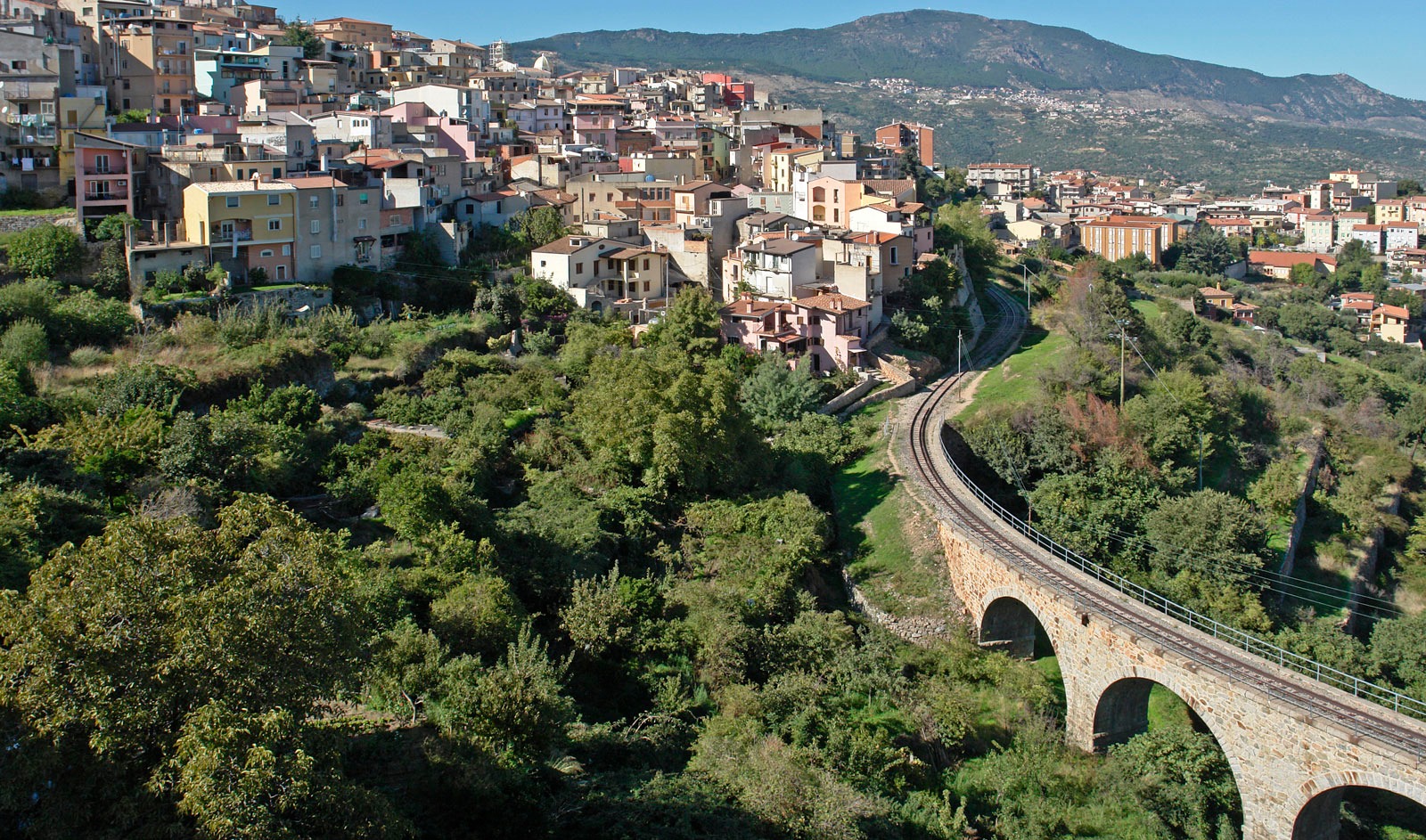
Perched 700 metres above Sadali, the nuraghe of Accodulazzo preserves a triangular layout from the Bronze Age at the heart of Barbagia di Seulo.
Standing proudly above the village of Sadali, the nuraghe of Accodulazzo will captivate lovers of ancient stonework on holiday in Sardaigne. Here's what you need to know about this remarkable site.
Sardinian towns are home to countless remnants from the Nuragic era, and Sadali is no exception. This small mountain village of 936 residents charms visitors with its perfectly preserved nuraghe tower, the Accodulazzo tower. Unlike other ancient fortresses scattered throughout the region—many half-ruined—the Accodulazzo nuragic complex still stands, dominating picturesque farmhouses and defying the ravages of time. It's a fortress tower ahead of its era. A tribute to the ancient people who settled Sardaigne and their invaluable residential and military heritage. An open-air history museum. Culture and civilisation enthusiasts will not be disappointed to visit the Accodulazzo nuraghe during their leisure journey through Sardaigne.
History
Accodulazzo or Accoudulassu—both spellings are equally correct—is a nuragic complex in Sardaigne. The peoples who built the nuraghes arrived in the Barbagia region at the beginning of the Bronze Age (1600 BC). Their architectural prowess is expressed in the cliff-side towers, which could serve military purposes—fortifying a village or watching for enemy attacks—or civil functions, such as warehouses or storage chambers. The Accodulazzo nuraghe is the most significant monument of its kind in Sadali. During an excavation campaign, researchers uncovered obsidian fragments, terracotta utensils, and other archaic objects at the site. These findings prove that Sadali was occupied since the Nuragic era before later becoming a Roman possession.
Visiting the Accodulazzo nuragic fortress
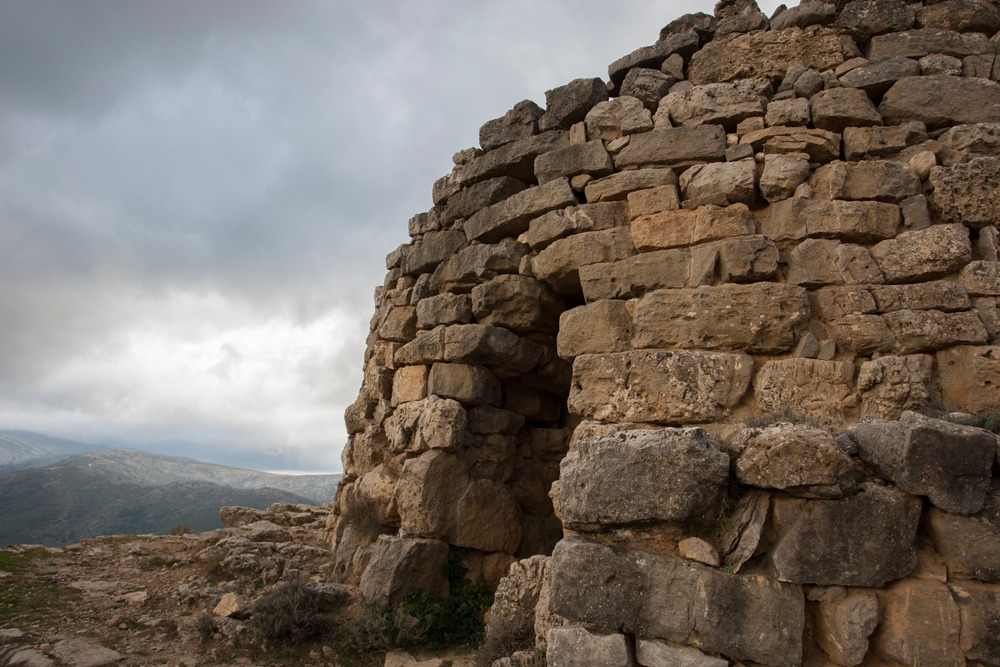
The nuraghe reaches 700 metres above sea level. Access to it requires a hike that is both short and pleasant, as the path passes through spectacular limestone hills.
The structure was designed following a triangular plan. A central keep dominated the ramparts, reinforced by three watchtowers placed on three sides. Only part of one tower has collapsed.
Just steps from the nuraghe, you can make out the ruins of a residential area. These primitive people built circular stone dwellings as their homes. The stones are rough but unworked. Mortar techniques were likely still unknown at that time. The stones are simply placed against each other without any binding agent to ensure the building's design and stability.
The Accodulazzo nuraghe is part of Sadali's vast archaeological zone. Visitors can discover a dozen nuragic ruins, including giants' tombs, fairy grottoes, and other nuraghes.
Practical information
When to visit?
Summer is the best time to travel to Sardaigne and pay homage to this famous nuragic ruin in Sadali. The sky shines an intense blue, and rainfall is rare. If you fear being overwhelmed by July and August crowds, consider mid-season—May, September, or October.
Hiking boots are essential for the climb to the nuraghe.
The village of Sadali sits in the mountainous region of Barbagia di Seulo. The simplest way to get there is to book a flight to Cagliari or Olbia (Alghero is too far). Once you reach the airport, simply hail a taxi or take the ARST bus to reach the town centre.
What's nearby…
Aside from the Accodulazzo nuraghe, Sadali boasts natural sites of excellent quality:
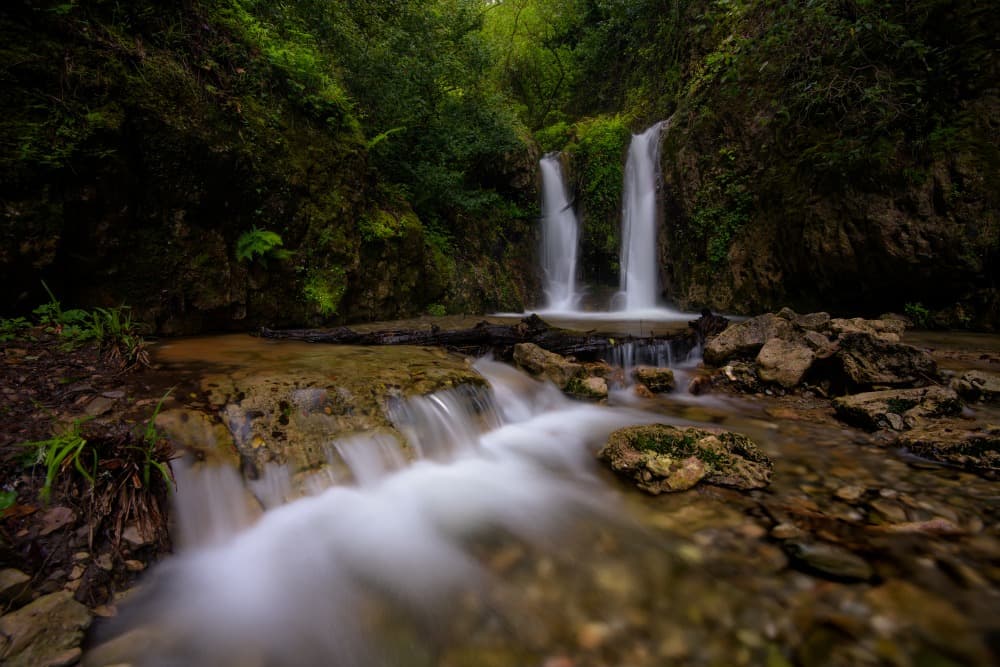
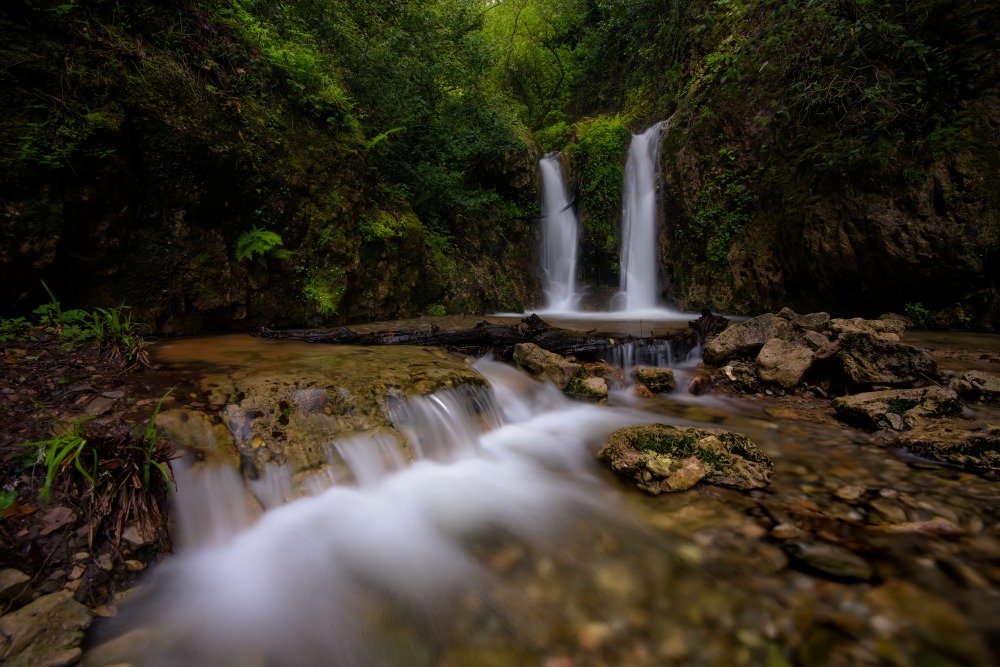
- the Su Stumpu de Su Turrunu waterfall;
- the small waterfall near the Church of Saint Valentine;
- groves of pine, holm oak, and juniper that invite you to stroll and cycle.
Nearby
Interested in this visit?
We can include it in your personalised itinerary.