Cagliari
Cagliari
Capital of Sardaigne, Cagliari blends Aragonese ramparts, white-sand beaches and flamingo-filled marshes. Practical guide for visiting in 3 days.
With its sandy shores kissed by the Mediterranean, the ancient city of Cagliari, capital of Sardaigne, merges generous nature with treasures of Roman and Aragonese architecture. Here's an overview of what makes this destination so captivating.
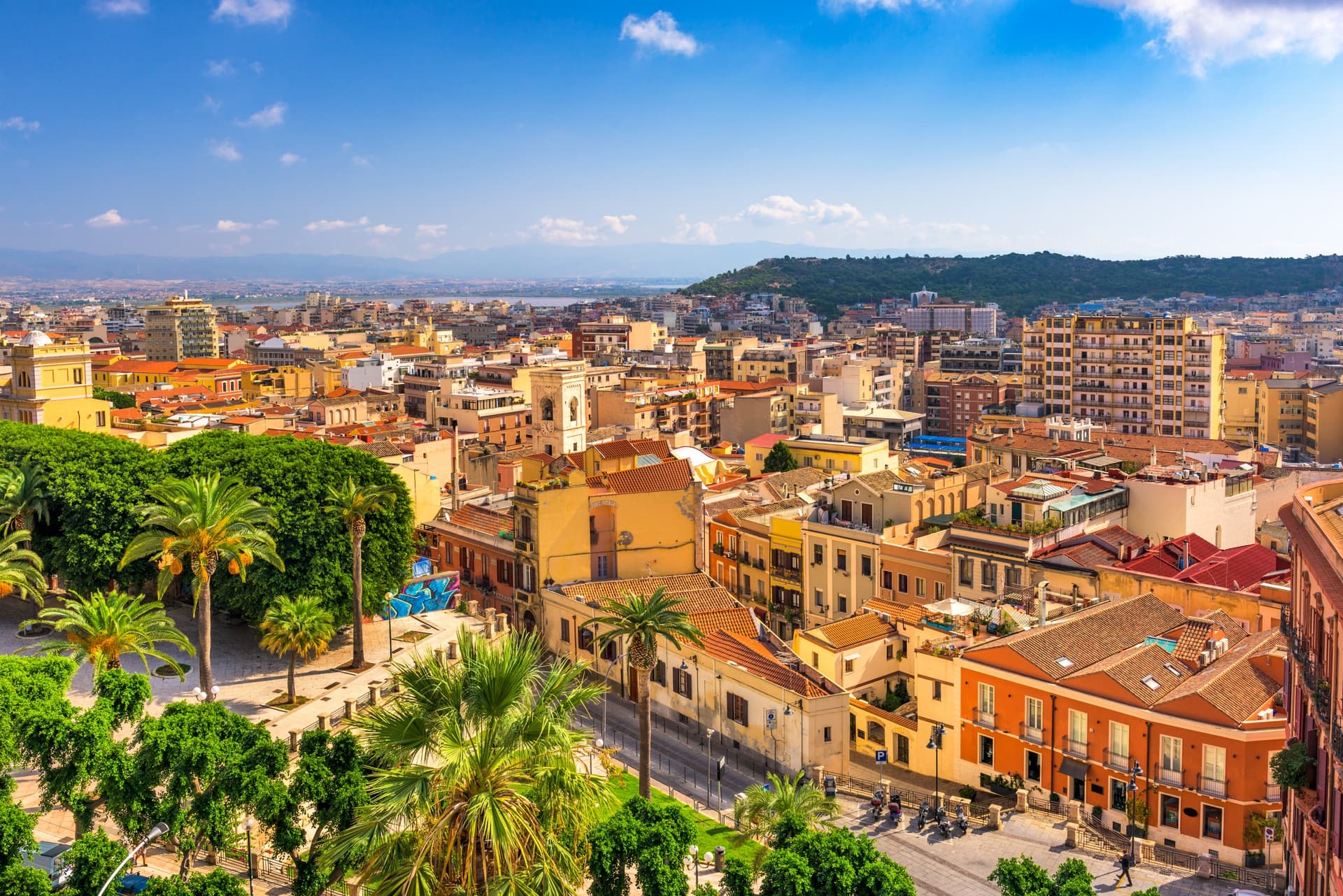
Locals affectionately call it Casteddu. As you wander through the paved piazzas of Castello or Stampace, you'll understand why Cagliari's character matches its name: a fortified Aragonese city enclosed by ramparts and watchtowers, containing within its walls a charming collection of Baroque churches. Catalan Gothic art shines brilliantly in both the elegant façade of the Basilica of Our Lady of Bonaria and the moulded vaults of the San Domenico cloister. But Sardaigne's capital city also overflows with natural attractions. The long Poetto beach welcomes swimmers while the Molentargius salt marsh park is a haven for bird lovers. Set your spirit free with dreams of sunshine, sand, and cultural discovery by booking your flight to Cagliari today.
Historical Notes
The site has hosted human settlements since the Nuragic era. Just beyond the old walls, the ruins of an amphitheatre with tiered seating still echo with the cries of gladiators, testament to the Roman presence in the early centuries. Yet the founding of old Cagliari is chiefly the work of the Catalans. It was christened Casteddu—"Castle" in Sardinian—when in 1294 the Pope granted the House of Aragon permission for its princes to conquer Corsica and Sardaigne.
Cagliari knew its glory days between 1324 and 1720, and again between 1798 and 1815, serving as royal capital of Sardaigne. Its location in the south of the island, nestled in a wide gulf where merchant ships could anchor safely, explains its strategic importance. It was historically seen as the gateway to Sardaigne and could boast of flourishing port traffic.
Today: A Tourism Economy in Full Bloom
The atmosphere of Cagliari is a subtle blend of tradition and modernity. Successive rows of bars, boutiques, and refined restaurants betray the ambiance of a major Italian metropolis. Nearly 130,000 residents live in the urban centre; counting suburbs, the metropolitan area has over 430,000 inhabitants. Yet Gothic and neo-classical Cagliari still exists. Visitors will find joy in admiring a four-star hotel mere steps from a patrician palace, and Art Nouveau buildings standing beside Baroque chapels.
What to See and Visit
Through the quality of its museums, richness of cultural and religious heritage, and magic of its nightlife, Cagliari is a vacation destination for everyone. Discovering it merits three or four days of your time. Here are the must-see monuments to leave you dazzled, enchanted, and transported beyond time.
Architectural and Religious Heritage
Heritage of Spanish dominion, churches and palaces flourish throughout the historic centre.
The Basilica of Our Lady of Bonaria: Should you stroll through the Villanova quarter, don't miss this magnificent basilica from the early fourteenth century. The massive limestone façade commands attention. The presbytery has stood the test of time: its ogival vault, its moulded arches, and its off-centre decagonal plan are remarkable testimony to Spanish Gothic architecture.
The Cloister of San Domenico: Occupying the same quarter as the basilica, the fifteenth-century church of San Domenico deserves attention, even though only its rectangular-plan cloister remains. The chapels of the west wing reveal exuberant Gothic decoration, with capitals enriched by carvings of animals and flowers.
On the city's outskirts, the Church of San Saturnino is worth seeing. Historians believe it to be Sardaigne's first Christian place of worship.
The Castello quarter stands out for its lordly dwellings built into the hillside. It is home to the medieval castle, around which are arranged bastioned towers, such as the Tower of the Elephant and the San Pancrazio Tower. With their fountain-filled gardens, murals, and period furnishings, the Palazzo Regio and Palazzo di Città give an idea of the luxurious interior of a Catalan noble family. To complete the heritage tour, discover the superb Gothic chapel of the Cathedral of Santa Maria di Castello.
Natural Heritage
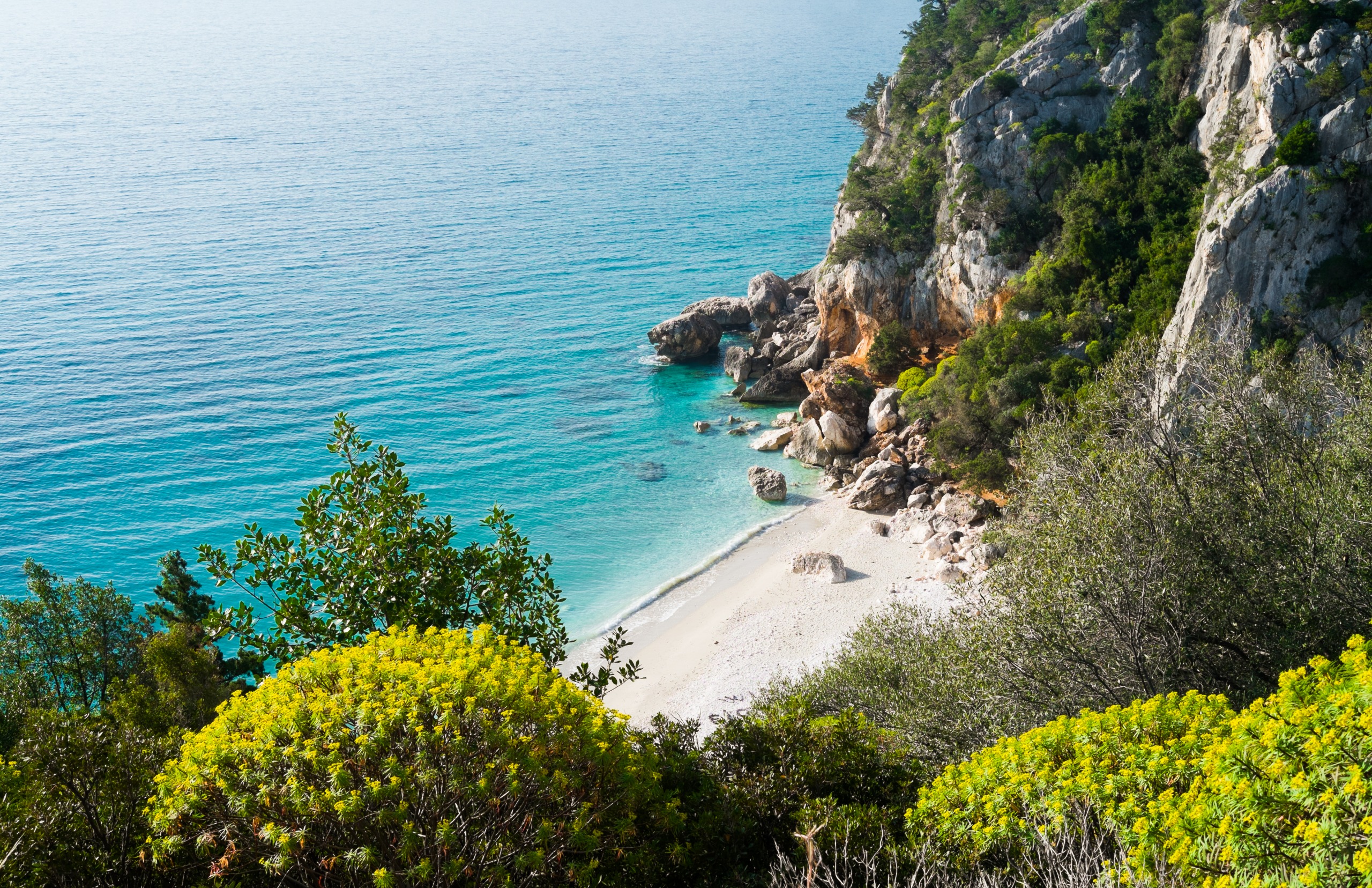
Poetto Beach: Stretching eight kilometres of white sand, Poetto beach is the most beautiful and most frequented beach in the city. While swimmers are its primary visitors, increasingly more walkers are enjoying its pedestrian and cycling paths.
The Molentargius Salt Marsh Park: The endless ballet of flamingos, herons, and cormorants is the park's greatest attraction. You never tire of watching their beaks dive into the marshes to catch phytoplankton and tiny insects. To visit by mountain bike or pleasure sailboat.
Archaeological Heritage
Just metres from the medieval city, the ruined amphitheatre rises before you, recalling the Romans' brutal games. The enthusiasm of spectators, the laboured breathing of gladiators, the arena filled with the dying… Your visit will inevitably take on nostalgic notes. Nearby, admire the Tuvixeddu funeral complex, the largest of its kind that the Phoenicians built in the Mediterranean.
Nightlife
Nightclubs await revellers in the ancient streets of Marina, Stampace, and Castello. After hours spent perfecting their tan, they can drink and dance remixes until dawn.
For more culturally inclined travellers who prefer cultural escape to the trilogy of sea, sun, and socializing, a museum visit wouldn't go amiss. Between the Archaeological Museum, the Contemporary Art Museum, the Anthropology and Ethnography Museum, and the Mineralogy Museum, there's plenty to choose from.
When to Visit Cagliari?
If you wish to tan your skin under the Mediterranean sun's ardour, it's worthwhile visiting Cagliari between June and August. As it's the high season, crowds of holidaymakers will share Poetto beach with you. For a culturally-focused trip, better to depart in April, May, or September. The quieter season brings discounts in hotels and guest houses. By visiting Cagliari in May, visitors can join locals in celebrating Saint Euphise, the city's patron saint.
As the capital city, Cagliari is accessible by air from major tourist destinations across Europe. The Elmas-Mario-Mameli International Airport welcomes direct and connecting flights from Paris. Flight duration ranges between two-and-a-half and three hours depending on the carrier.
A bus service connects Elmas Airport to the city centre several times daily, stopping at Piazza Matteotti, situated between the harbour and the train station. For more comfortable travel, discerning tourists are advised to use taxis and private cars. Most transport companies have offices near the airport.
You'll Love…
Enjoying the pleasures of beach life;
Catching sunset from panoramic terraces;
Paying homage to the Basilica of Our Lady of Bonaria, an architectural jewel of the city;
Photographing the ogival vaults of the San Domenico church;
Climbing the ancient fortified towers;
Admiring the luxury and refinement of Catalan mansions;
Letting loose in the discotheques.
Want to discover this destination?
Our local advisors design your tailor-made trip.