Practical information Sardaigne
Planning a trip to Sardaigne requires some practical decisions that our team based in the capital knows well. Regarding formalities, since the island is Italian and therefore part of the Schengen area, a valid ID card or passport is sufficient for French, Belgian, and Swiss nationals. No specific vaccinations are required, but travel insurance covering water sports or hiking is useful, particularly for the Supramonte trails. The average budget runs around 90 to 140 € per day and per person on half board, excluding flights and car rental. Expect 35 to 60 € per day for a car in high season, to be booked at least two months in advance as availability at Olbia and Cagliari becomes tight in July-August. The climate is Mediterranean: hot and dry summers (28 to 35 °C in July-August), mild winters on the coasts but cool at altitude (the Gennargentu can be snow-covered until April). The most pleasant months are mid-May to mid-June and September to mid-October. For transport, a car is almost essential: ARST buses serve the cities but not the small coves, and the train mainly connects Cagliari to Sassari via Oristano. Sardaigne is a very safe destination, with one of the lowest crime rates in Italy. Our team also guides you on local customs: politeness in Sardinian in the interior, late meals, mid-day closures in villages.
Plan your trip by theme
Explore our practical guides organized by category to quickly find the information you need.
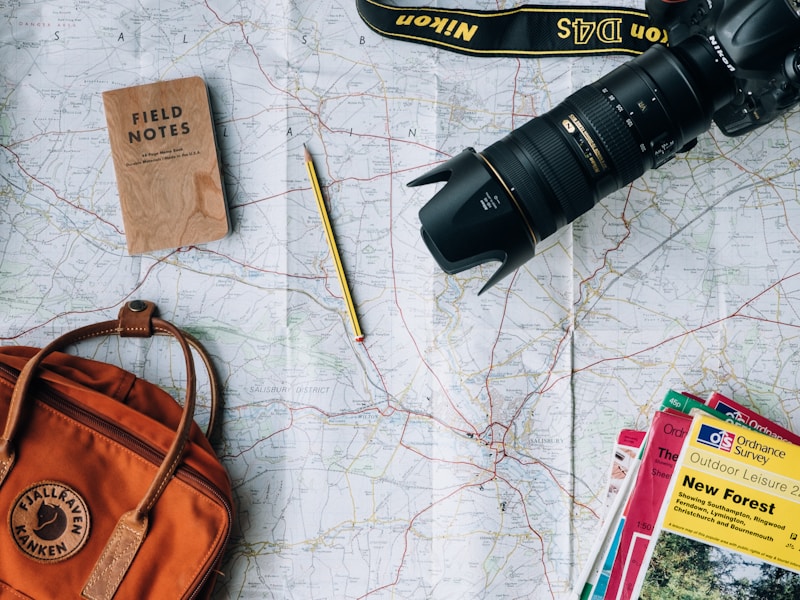
Before You Go
Identity card or passport, travel insurance, car rental to book early, Schengen formalities for Sardaigne.

Budget
Euro, widespread card payment, budget range of €90 to €140 per day per person, tips not mandatory.

Climate Season
Mediterranean climate, hot and dry summers, mild winters on the coasts, May-June and September as the best windows.

Transports
Essential car rental, limited domestic flights, ferries to nearby islands, roads generally in good condition.

Culture
Sardinian language in the interior, late meals, siesta respected in villages, politeness codes and dress codes in churches.

Useful Tips
Tap water is drinkable, type F power outlets, mobile network coverage is good except in mountainous areas, high security throughout the island.
1 articleAll practical guides
Search and filter among 1 articles
1 of 1 result
Frequently asked questions
The answers to the most frequently asked questions from our travellers.
Sardinia is part of Italy, so it is part of the European Union and the Schengen area. No visa is required for French, Belgian, Swiss and Luxembourg nationals. A valid national identity card or passport is sufficient to enter the territory and stay for up to 90 days. For travelers of other nationalities, Schengen rules apply: a short-stay visa should be requested from an Italian consulate if necessary. We recommend checking the expiration date of your identity documents at least one month before departure, and having a digital copy of your documents. Children must travel with their own identity document; a family booklet is not sufficient.
No vaccinations are mandatory to enter Sardaigne. As elsewhere in Europe, it is advisable to be up to date with routine vaccinations: diphtheria, tetanus, poliomyelitis, pertussis, and MMR. Vaccinations against hepatitis A and B may be considered for extended stays or travelers seeking local immersion, but are not essential for a standard tourist visit. There is no risk of malaria or dengue on the island. Simply remember to bring your European Health Insurance Card (EHIC), which gives you access to care in Italian public hospitals under the same conditions as residents. Supplementary travel insurance remains useful for repatriation and high-risk activities.
Budget an average of €90 to €140 per day and per person, excluding international flights, based on double room accommodation, half-board, and main visits. In high season (July-August), prices rise significantly, especially on the Costa Smeralda where a hotel night often exceeds €250. For car rentals, expect €35 to €60 per day for a compact car in season, more for an SUV. A meal in a trattoria costs between €25 and €40 per person, a coffee €1.50, artisanal ice cream €3 to €4. Ferries to La Maddalena are around €20 return, boat excursions to the Gulf of Orosei approximately €50 to €70.
The best windows are mid-May to mid-June and September to mid-October. The sea reaches 22 to 24 °C, temperatures range between 22 and 28 °C, and crowds remain reasonable. July and August are stunning weather-wise but saturated: congested roads, fully booked accommodations, prices doubled. April offers blooming landscapes in the Barbagia, but the sea stays cool (17-18 °C). Winter is mild on the coasts (12 to 16 °C during the day) but many tourist facilities close from October to Easter, notably at the Gulf of Orosei. For mountain hiking, opt for May-June or September, summer often being too hot in the Supramonte.
The car is by far the most practical means of transport. The road network is in good condition, with two main routes: the SS131 crossing the island from north to south between Sassari and Cagliari, and the SS125 along the east coast. Distances appear short on the map but mountain roads in the Barbagia significantly slow average speeds. Regional ARST buses connect cities but serve isolated coves poorly. Train travel remains marginal except for the Cagliari-Oristano-Sassari route. A few ferries operate services to La Maddalena, San Pietro and Sant'Antioco. For the Gulf of Orosei, several coves are only accessible by boat from Cala Gonone or Santa Maria Navarrese.
Sardinia is one of the safest regions in Italy and Europe. The crime rate there is very low, including in major cities like Cagliari and Sassari. Pickpocketing remains rare, but standard precautions apply: do not leave visible objects in your car, keep an eye on your belongings on busy beaches. Local driving is fairly calm outside urban centers. In the mountains and when hiking in Supramonte or the Gorropu gorges, bring plenty of water, a charged phone and inform someone of your route: mobile coverage is poor and some trails require real experience. Our team remains available 24/7 during your stay.
Ready to travel to in Sardinia?
Discover our tailor-made itineraries, designed by our local team. Each route adapts to your pace, your preferences and your travel season.
See our toursWe use cookies to improve your experience and measure our site's audience. You can choose what you accept. Learn more.