Seui
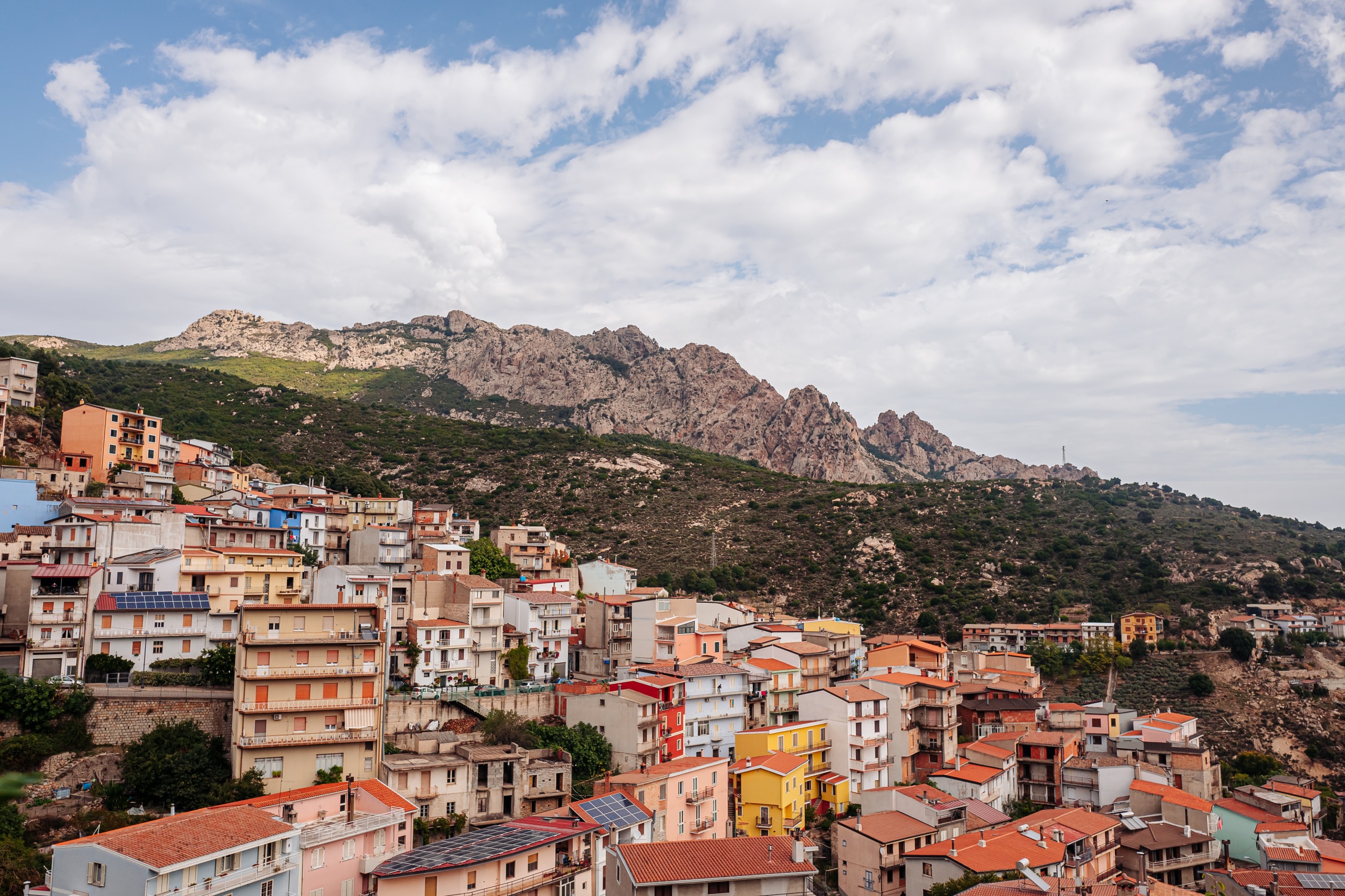
Seui is a mountain village in the Ogliastra region, at the heart of the Sardinian Gennargentu. Granite alleyways, cork oak forests and traditional craftsmanship create an authentic picture, far from coastal crowds.
Seui is a mountain village located in the Gennargentu, at the heart of inner Sardaigne. Perched on the heights of the Ogliastra, it preserves the dark stone architecture typical of Barbagia villages, a vibrant pastoral economy and cork oak forests that blanket the surrounding hills. Far from coastal routes, Seui offers an authentic glimpse of rural Sardaigne, between artisanal traditions and forested landscapes.
Practical information at a glance
- Access: car recommended — the mountain roads connecting Seui to coastal towns are winding; no direct rail link.
- Suggested duration: half a day to a full day to explore the village and its surrounding forest areas.
- What to wear: hiking shoes recommended for the paved alleyways and nearby trails.
What to see
The historic centre comprises narrow alleyways lined with granite and basalt houses. The parish church of San Sebastiano dominates the village. Around the village stretch cork oak and chestnut forests, crisscrossed by hiking trails. The surrounding area also harbours nuraghi and prehistoric remains characteristic of the Ogliastran plateau.
History and context
Seui belongs to the historic Ogliastra region, long isolated by the relief of the Gennargentu. This isolation preserved pastoral and artisanal traditions — notably woodworking and leathercraft — that persist today. The village experienced significant emigration in the 20th century, like many inland Sardinian communes, but maintains a strong cultural identity.
Highlights of the visit
The stone-built historic centre
The dark granite façades and paved alleyways give Seui an austere and authentic atmosphere. The traditional rural houses, often featuring interior courtyards, testify to well-preserved vernacular architecture.
The Gennargentu forests
The cork oak woods surrounding the village can be explored on foot or horseback. These forests harbour varied wildlife — Sardinian deer, wild boar, birds of prey — and offer panoramic views across the Gennargentu ridges.
Local craftsmanship
Seui is known for its artisanal productions of carved wood and worked leather. A few local workshops continue these skills passed down through generations.
Photography tips
Morning light is ideal for photographing the dark stone façades of the historic centre, before the sun rises too high. The surrounding forests offer beautiful perspectives in the late afternoon, when light filters through the cork oaks.
Location and access
Seui is located in Nuoro province (or Ogliastra according to current administrative divisions), in the interior of Sardaigne. The most direct route from the coast passes through Tortolì/Arbatax to the east. From Cagliari in the south, allow about two hours of driving via mountain roads. A car is essential.
Nearby attractions
- Gennargentu — the mountain range surrounding Seui, with its peaks and long-distance hiking trails.
- Tortolì — the main coastal town of the Ogliastra, access point from the sea.
- Arbatax — port and seaside resort known for its red rocks, east of Seui.
- Laconi — neighbouring village renowned for its park and prehistoric menhirs.
Frequently asked questions
Spring (April-June) and autumn (September-October) are the most pleasant seasons: mild temperatures, colourful forests and accessible trails. Summer can be warm in the mountains but remains cooler than the coast.
Yes, a car is essential. The mountain roads are winding; no regular public transport links serve the village from the major coastal towns.
Yes. Tortolì and Arbatax are accessible in less than an hour's drive. A day allows you to combine the mountains in the morning and the coast in the afternoon.
Several trails depart from the village towards the cork oak forests and the heights of the Gennargentu. Hiking boots are necessary; check with the town hall or a local guide for marked itineraries.
The village is known for carved woodwork and leathercraft. A few local artisans sell their productions directly from their workshops or during village festivals.
Want to discover this destination?
Our local advisors design your tailor-made trip.