The Su Marmuri Caves
The Su Marmuri Caves
Over 800 metres of limestone galleries in the Pardu valley, near Ulassai: the complete guide to the Su Marmuri caves in Sardaigne.
The Su Marmuri caves, hidden within the mountainous hills of Ulassai in Sardaigne, rank among Europe's most impressive cave systems. Here's a comprehensive overview of this natural gem.
Visiting Ogliastra island is a dream for speleology enthusiasts and professionals alike. The region is home to a series of underground caverns sculpted by the sea and rainfall over thousands of years. The Su Marmuri cave deserves special mention. Picture deep canyons and vertiginous cliffs that take your breath away. Within this limestone landscape stretches an immense cavity, overlooking the Pardu valley for more than 800 metres. From trekking to wandering through galleries of stalagmites and observing cave fauna, the marble caves promise an unforgettable adventure. On your way back, take time to explore the artistic treasures of Ulassai, the childhood village of the celebrated Maria Lai.
A Bit of History…
Researchers estimate the cave's age at 150 million years, based on excavations undertaken during the first half of the 20th century. Dense maquis vegetation long concealed the cave from curious eyes. It took courage, extraordinary curiosity, and a passion for discovery to excavate these rocky outcrops separating the cave from the Taco Di Ulassai massif. Speleologists were not disappointed: a cavity lay hidden beneath, whose veined and polished appearance was so unusual that they decided to name it "Su Sumurri cave" or "marble cave" in the Sardinian language.
The colour of the limestone rocks wasn't the only thing that caught their attention. A large colony of bats shelters within the cavern, particularly the Minioptera species. One can imagine the initial cries of alarm from the pioneers, soon turning to shouts of joy and pride. Not only does this splendid marble cave extend for a record length of 800 metres, but it also proves to be Italy's most important bat hibernation site.
Today: A Popular Sardaigne Tourist Attraction
The site opened to tourists in the mid-1950s. Su Bullicciu association manages the Si Sumurri caves, which are celebrated as an exceptional natural and mineralogical heritage and rank among Italy's and even Europe's most spectacular caves.
The team had the idea of installing water jets, lighting, and hiking trails. Beyond operating an on-site restaurant, they launched a flying mammal protection programme in collaboration with environmental authorities. All with a single goal: to welcome tourists and see them return.
Visiting the Su Marmuri Caves
Hearty thanks to the cave's coolness after a walk in the blazing Mediterranean sun! A staircase will lead you to the entrance. A guide is mandatory for visitor safety.
A Succession of Galleries
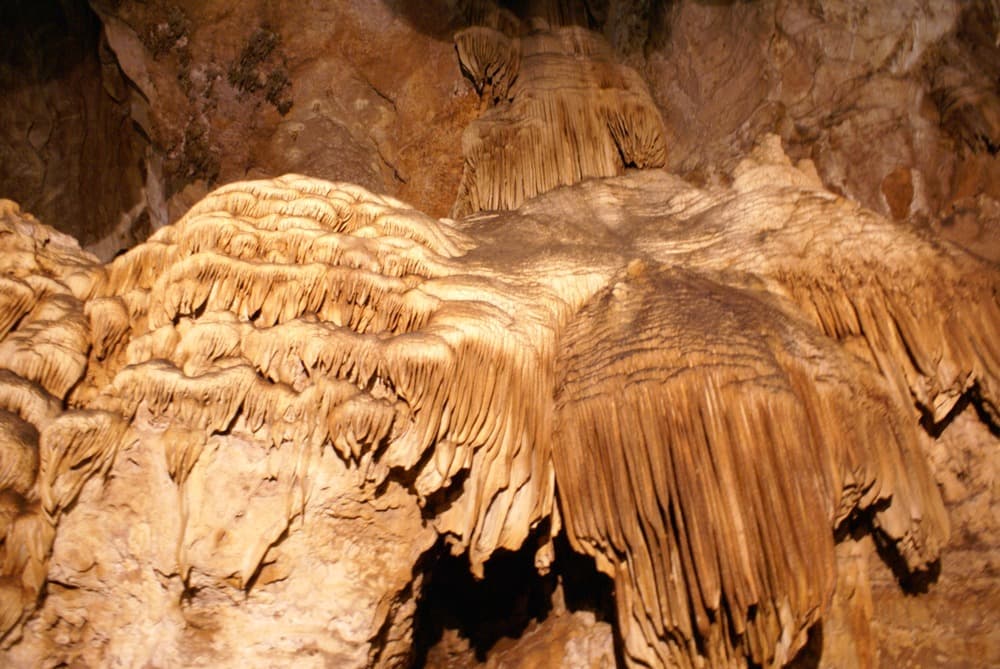
The cavern's vault is truly imposing. Columns, stalactites, and magnificent stalagmites hang overhead. These formations grow just a few centimetres every hundred years. After crossing the first gallery, you turn left to access a freshwater pool.
The Cactus Chamber
You enter a turn leading straight to the Cactus chamber, an immaculate limestone environment characterised by a 20-metre-high column.
The Bat Refuge
Specimens of Minioptera flutter about throughout. In early November, bats from across Sardaigne migrate here to hibernate. The colony gathers in a specific section of the cave.
Observing Cave Fauna
The cave shelters shy creatures that thrive in humid and dark environments. Beyond the bats, you may encounter the Sardinian newt, the amphibian Speleomanthes imperialis, or the insect Ovobathysciola gestroi, visible in the cave's most remote sections.
As you exit the cave, treat yourself to lunch at Su Bullicciu restaurant, a prime spot for tasting Sardinian specialities in a privileged natural setting.
The cave lies just metres from Ulassai, in the heart of the historical Ogliastra region. From the coast, it takes just over a quarter-hour's drive to reach the village of Ulassai.
When to Visit?
It's best to visit the Si Summuri cave in mid-summer, between May and September. Showers are frequent in spring and autumn. The slopes can be slippery, making the expedition treacherous. Besides, the site manager cancels visits during adverse weather conditions.
What to Do Nearby
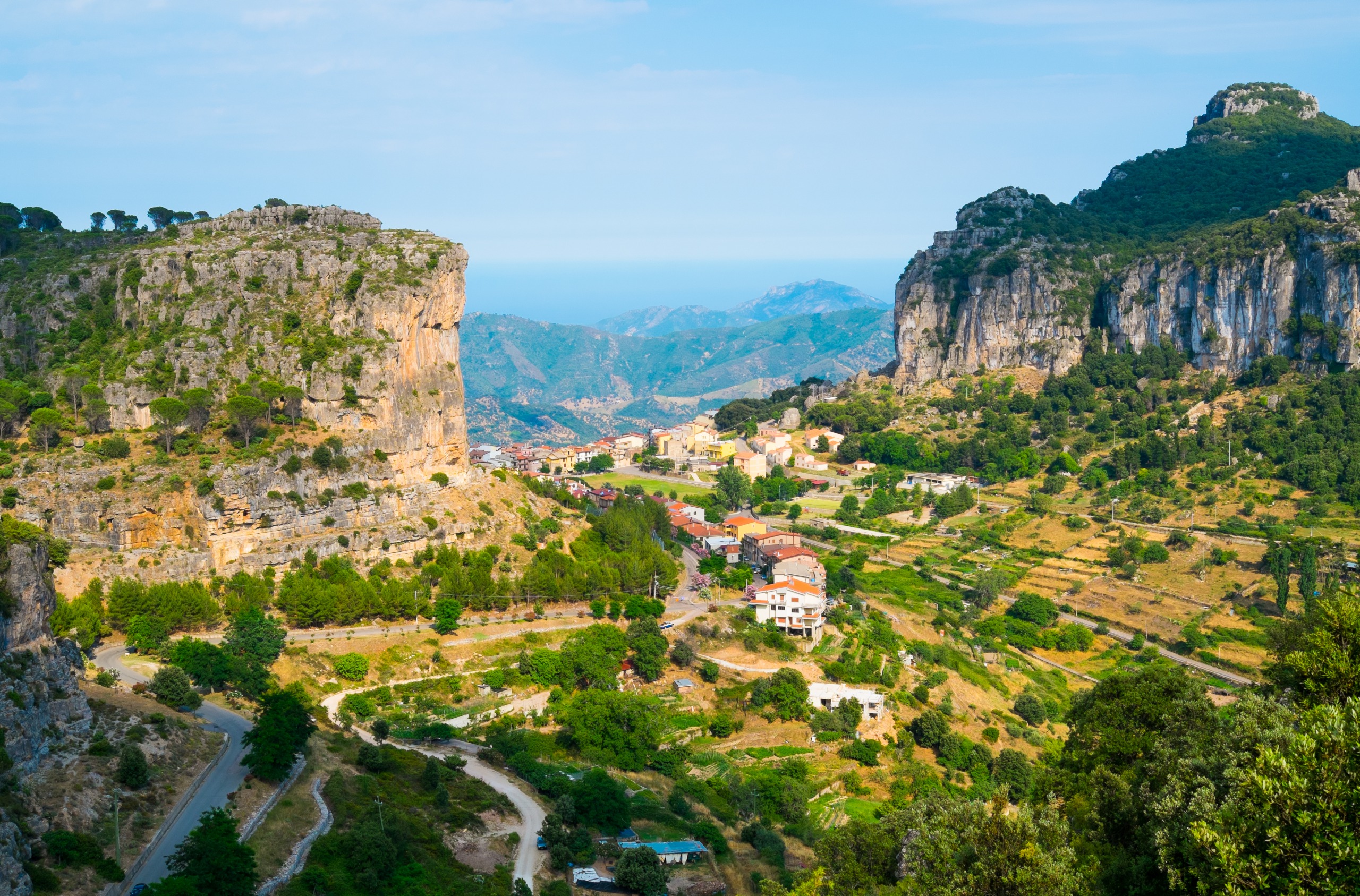
The village of Ulassai blends a jagged coastline with pristine and generous nature. Once your speleological adventure is complete, you can enjoy the beach, trek in the mountains, and visit Ulassai's art museum.
Nearby
Interested in this visit?
We can include it in your personalised itinerary.