Punta La Marmora
Punta La Marmora
At 1,834 meters, Punta La Marmora stands as Sardaigne's highest peak, reachable in five hours of hiking from the village of Fonni, in the heart of Gennargentu National Park.
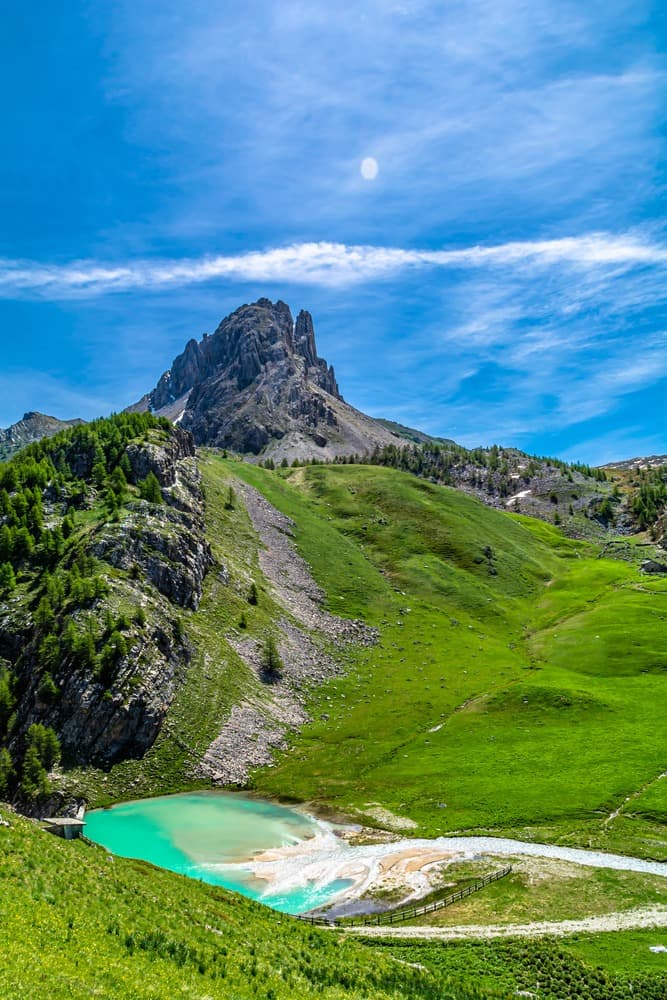
Rising more than 1,830 meters above sea level, La Marmora is Sardaigne's highest summit. An invitation to a hiking and ecotourism circuit through the heart of the Gennargentu National Park.
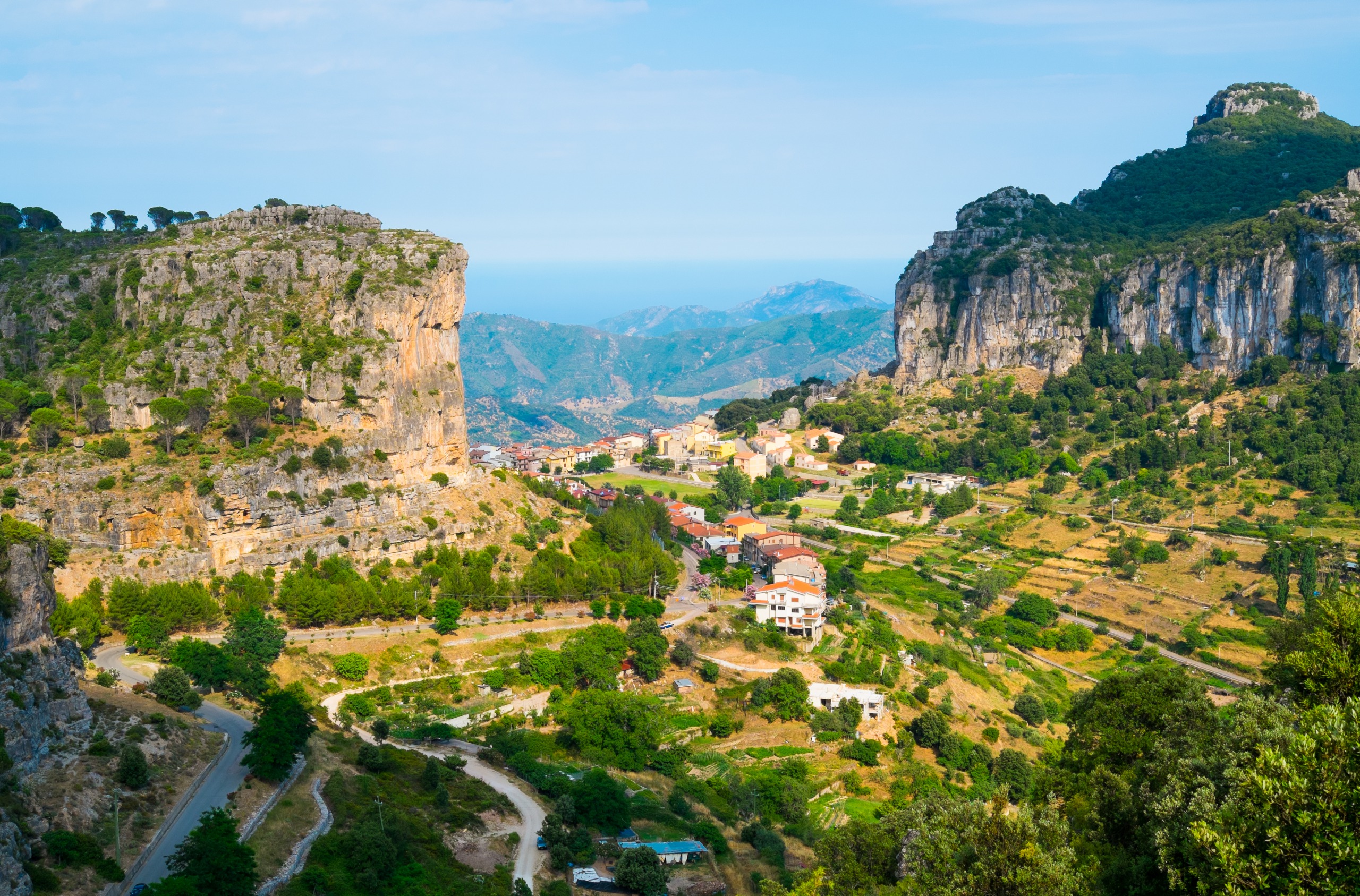
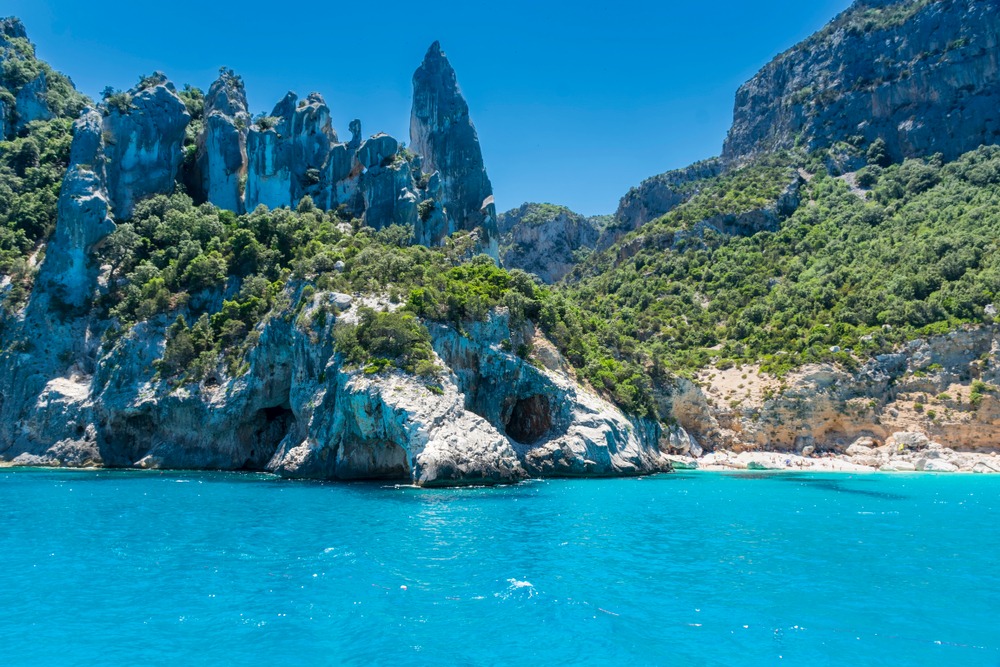
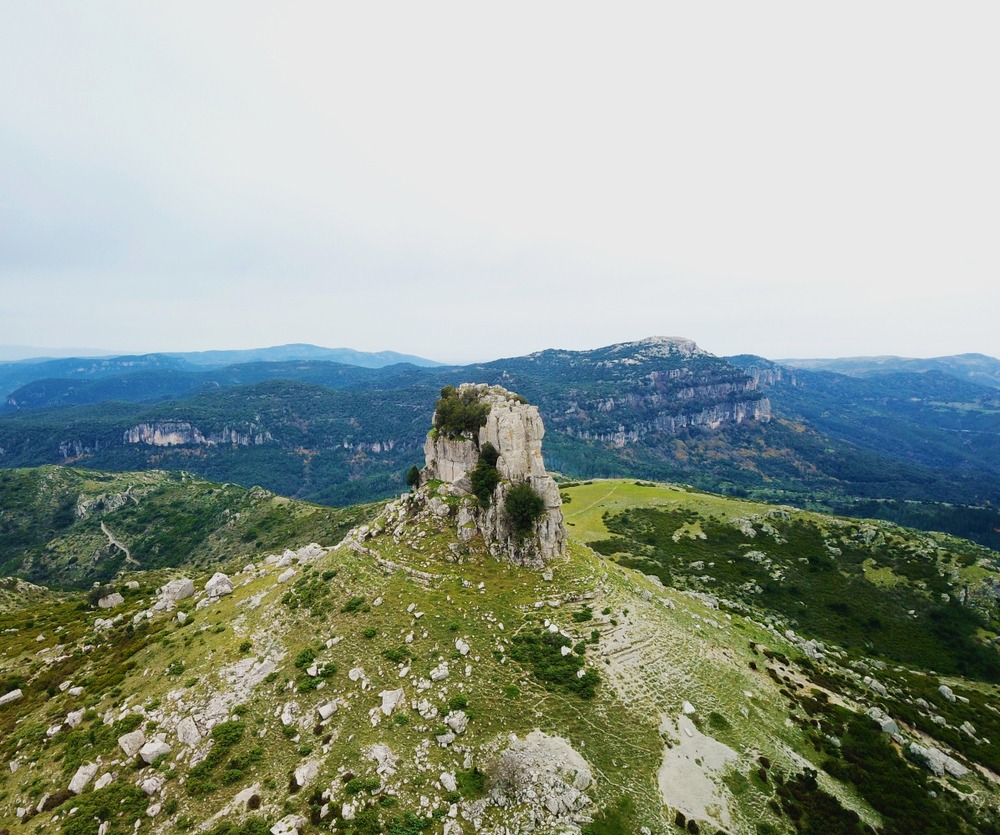
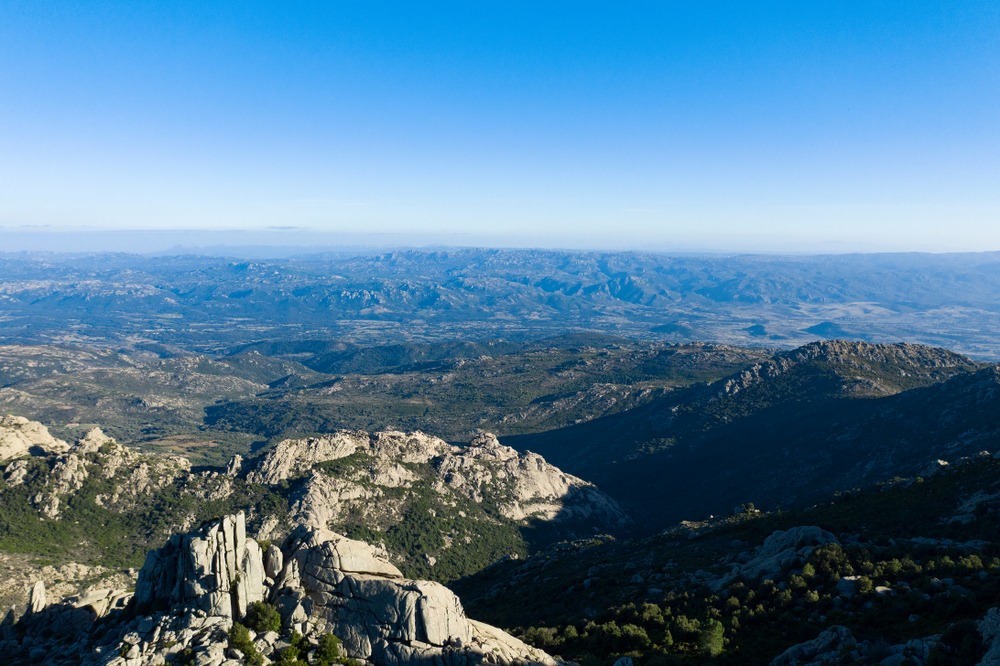
The rural and mountainous Gennargentu region, in south-central Sardaigne, is well-known to hiking enthusiasts. What mountaineer hasn't dreamed of contemplating the white majesty of La Marmora? The granite ramparts surrounding it create a majestic and awe-inspiring setting for this 1,834-meter summit. Well-marked trails on the eastern and southern slopes allow climbers to scale the massif without excessive difficulty. The extraordinary views over the Gulf of Orosei will reward climbers for their efforts. On the descent from the summit, the hospitality of a mountain refuge is welcome. You'll taste the famous carapignas pasta, stroll through olive groves and vineyards, and share the joy of countryside living with local shepherds. Don't hesitate another moment—dedicate a day of climbing to La Marmora to make your Sardaigne vacation truly perfect!
Geomorphological Profile of Punta La Marmora
The La Marmora peak overlooks a protected area of 73,935 hectares: Gennargentu. Gennargentu National Park was established by presidential decree in March 1998. As it encompasses the Gulf of Orosei, its distinctive feature is being both a terrestrial and coastal park.
Along the slopes, vegetation adapted to alpine climate has taken root. Aspens alternate with maples and evergreen oaks. Deer graze furtively across the grassy plains. Farm villages nestle behind the hills. It's not uncommon to encounter goats, sheep, or even horses raised in the wild.
The mountainous peak serves as a refuge for a variety of birds of prey: once, the monk vulture and the bearded vulture built their nests here, but the extinction of these two species in Gennargentu is now confirmed. Nevertheless, you can still spot golden eagles, peregrine falcons, buzzards, or griffon vultures soaring high among the clouds. These raptors feed primarily on deer, wild boar, and mouflon sheep inhabiting the wooded plains. However, the scarcity of game sometimes forces them to adopt a vegetarian diet.
Today: A Coveted Tourist Attraction
Climbing Sardaigne's highest peak attracts hundreds of travelers. The trek presents no serious difficulties; it is within reach of anyone in good physical condition.
Climbing Punta La Marmora
The expedition takes approximately 5 hours. As you advance into the forest, prepare yourself for extraordinary landscape variety: valleys, mountain passes, grassy or wooded cliff faces, rivers, and flowing water sources. The route features 530 meters of elevation gain. The ascent is straightforward, while the descent proves somewhat steeper, with rocky and slippery sections, but entirely manageable.
Multiple itineraries are offered by travel agencies to reach the summit. Here is an example route:
1st Stop: Bruncu Spina Pass (1,829 meters)
Leaving Fonni, you follow a long ridge trail leading to Bruncu Spina. This takes two hours of hiking to reach the pass. Perched at 1,829 m altitude, Sardaigne's only winter station appears before you, offering clear views of the Supramonte cliffs. Red and white blazes mark the trail.
2nd Stop: Arcu Gennargentu Pass (1,659 m)
This next pass rises midway between Bruncu Spina and Punta La Marmora. The absence of blazes is somewhat frustrating; to avoid getting lost, simply follow the ridge as if heading toward La Marmora. (In case of fog, caution demands canceling the hike.) You then descend the escarpments to reach Arcu Gennargentu pass. Once this stage is complete, prepare yourself to climb to the mythical summit.
3rd Stop: Arcu Gennargentu—Punta La Marmora (1,854 m)
After Arcu Gennargentu, the blazes (red and white arrows) reappear and persist to the journey's end. The landscape shifts tone too: oaks and maples gradually give way to dwarf shrubs, blackbirds to eagles, and foxes to badgers. Punta La Marmora is marked by a massive metal cross. If the sun cooperates, you'll enjoy a breathtaking view over Gennargentu Park.
4th Stop: Punta La Marmora–Arcu Gennargentu
The hiker embarks on the return path, passing once more through Arcu Gennargentu. Pay attention to your footing—the slope is rocky and steep.
5th Stop: Funtana Is Bidileddos (1,660 m)
Take the path to Funtana is Bidileddos, a charming fountain nestled between cliffs. Hikers will appreciate stretching their legs and refreshing themselves at the spring before continuing the descent.
6th Stop: Return to Fonni
Return to the village of Fonni, where the expedition concludes.
Recommendation: Experienced trekkers can visit the other passes of the Gennargentu massif: Punta Florisa (1,822 m), Punta Paolina (1,792 m), or Monte Iscudu (1,676 m).
Best Time to Go
The Gennargentu climate, home to the famous La Marmora peak, is influenced by proximity to the Mediterranean. Summer aridity is followed by a mild, moderate winter accompanied by rain. To travel with favorable weather, it's best to depart between May and September.
It's important to alert climbers that extraordinary cold reigns in high-altitude zones. Although the risk of snow exposure is low (only winter months), anoraks and heavy jackets are essential. No need to carry bottled water: natural springs abound in the surrounding areas for refilling along the way.
Travelers wishing to climb La Marmora should head in the direction of Desulo. Five kilometers before reaching this locality, take a turn to arrive at the hillside village of Fonni, which sits at 1,500 meters altitude. Inns, guesthouses, and mountain refuges dot the surroundings. Fonni is, indeed, the starting point for the expedition to the mythical summit.
In the Surrounding Area…
The ascent of La Marmora peak can be combined with:
- A dream stay at a farm;
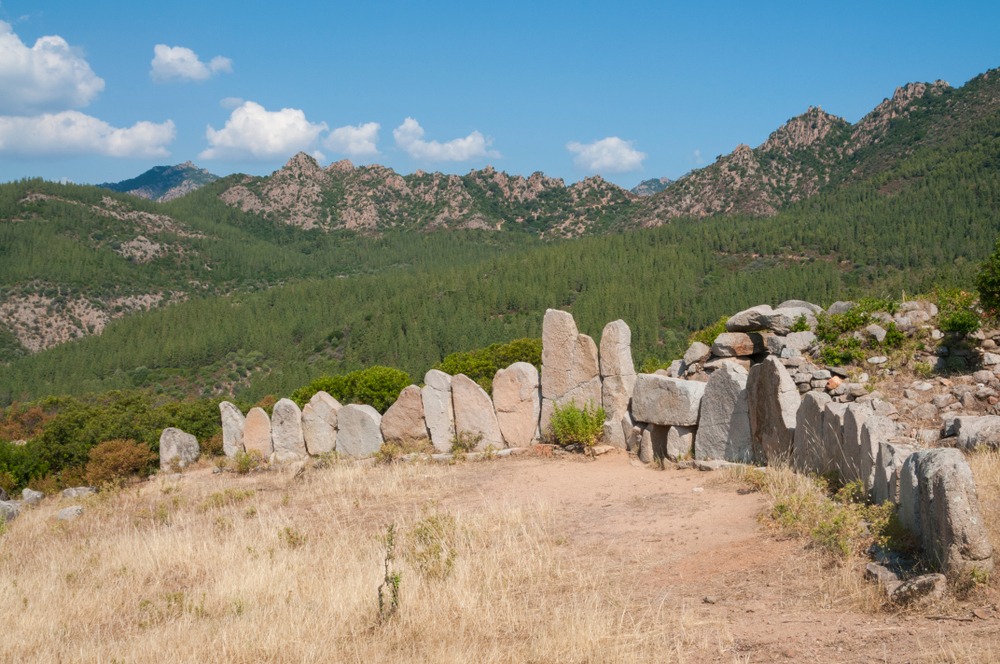
- A visit to an archaeological site at the village of Tiscali;
- A gastronomic journey to taste Sardinian specialties.
Nearby
Interested in this visit?
We can include it in your personalised itinerary.