Barbagia and Supramonte
The mountainous heart of Sardaigne, around Nuoro and Gennargentu: 500-metre gorges, pastoral villages, ancient masks and shepherd tables far from the coast.
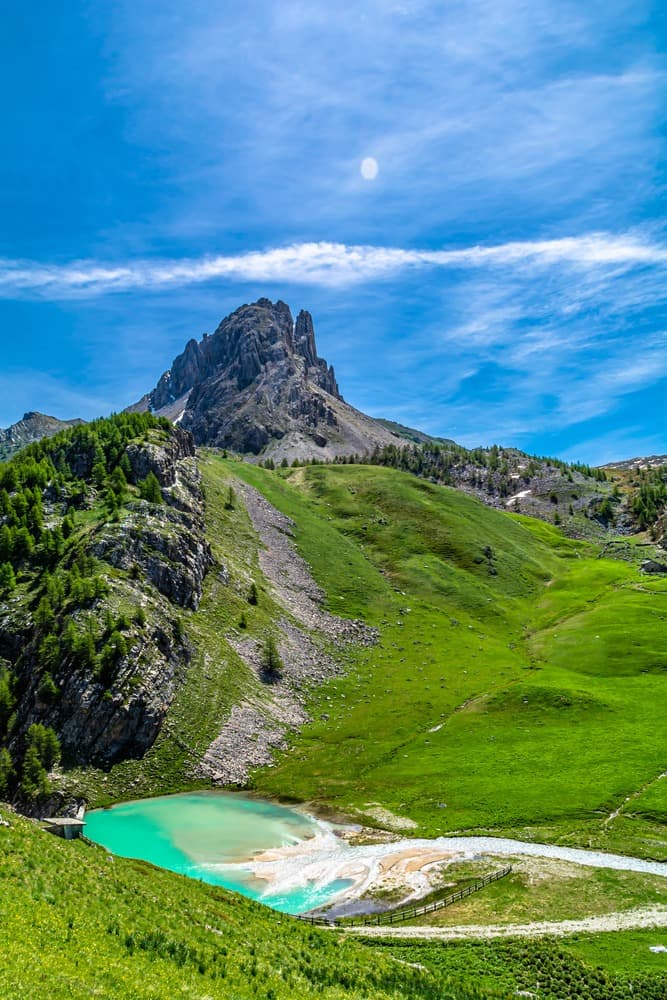
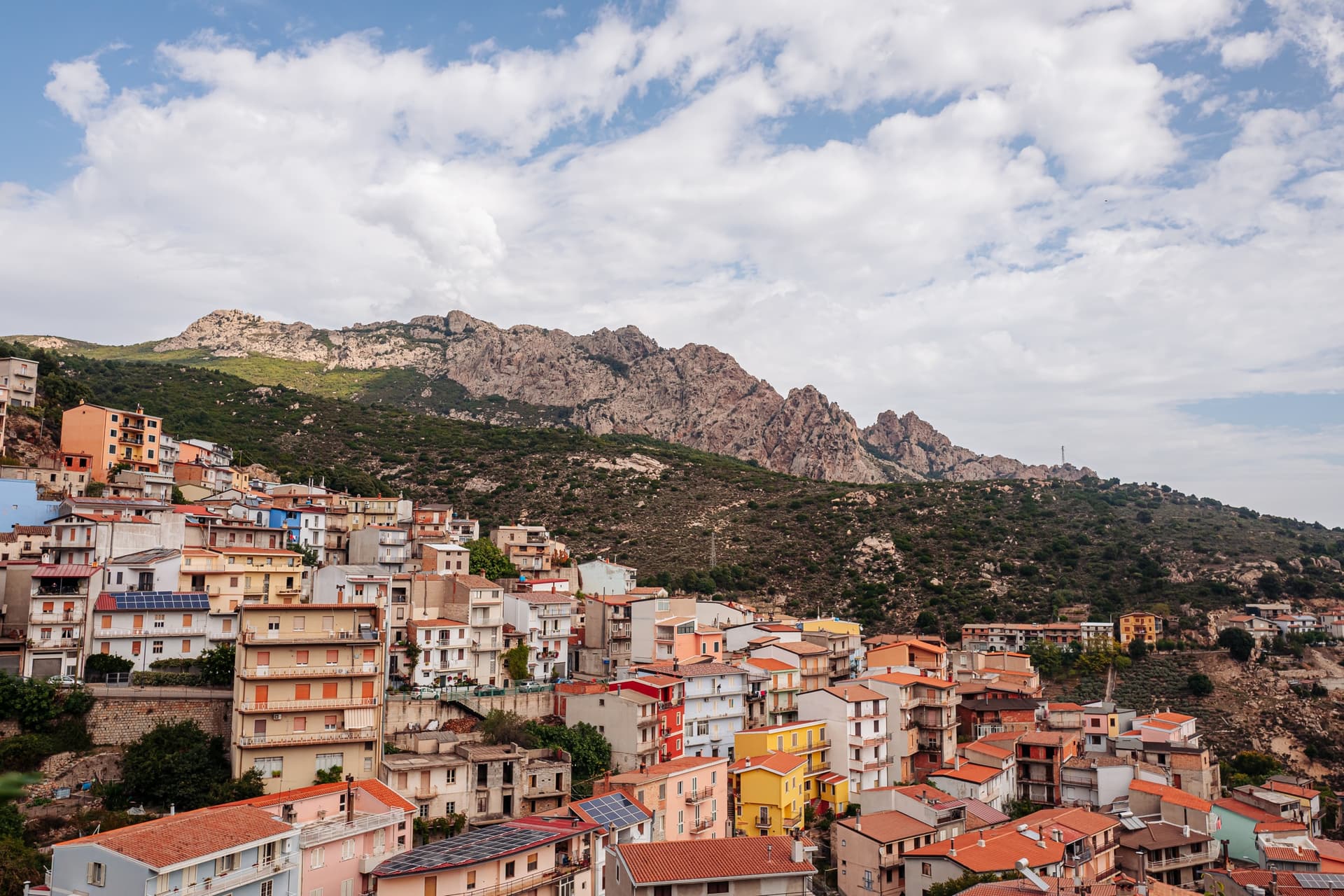
Barbagia and Supramonte form the mountainous nucleus of Sardaigne, a limestone and granite massif occupying the centre-east of the island around Nuoro, Orgosolo, Oliena, Dorgali and Urzulei. The Gennargentu range peaks at 1,834 m at Punta La Marmora, making it the island's highest point. From our Cagliari agency, it takes three hours' drive to reach Nuoro, then another solid hour of tight hairpins to reach the high-altitude villages. This road distance, modest as it may appear on a map, reflects a geographical reality: here, you don't cross terrain, you climb it.
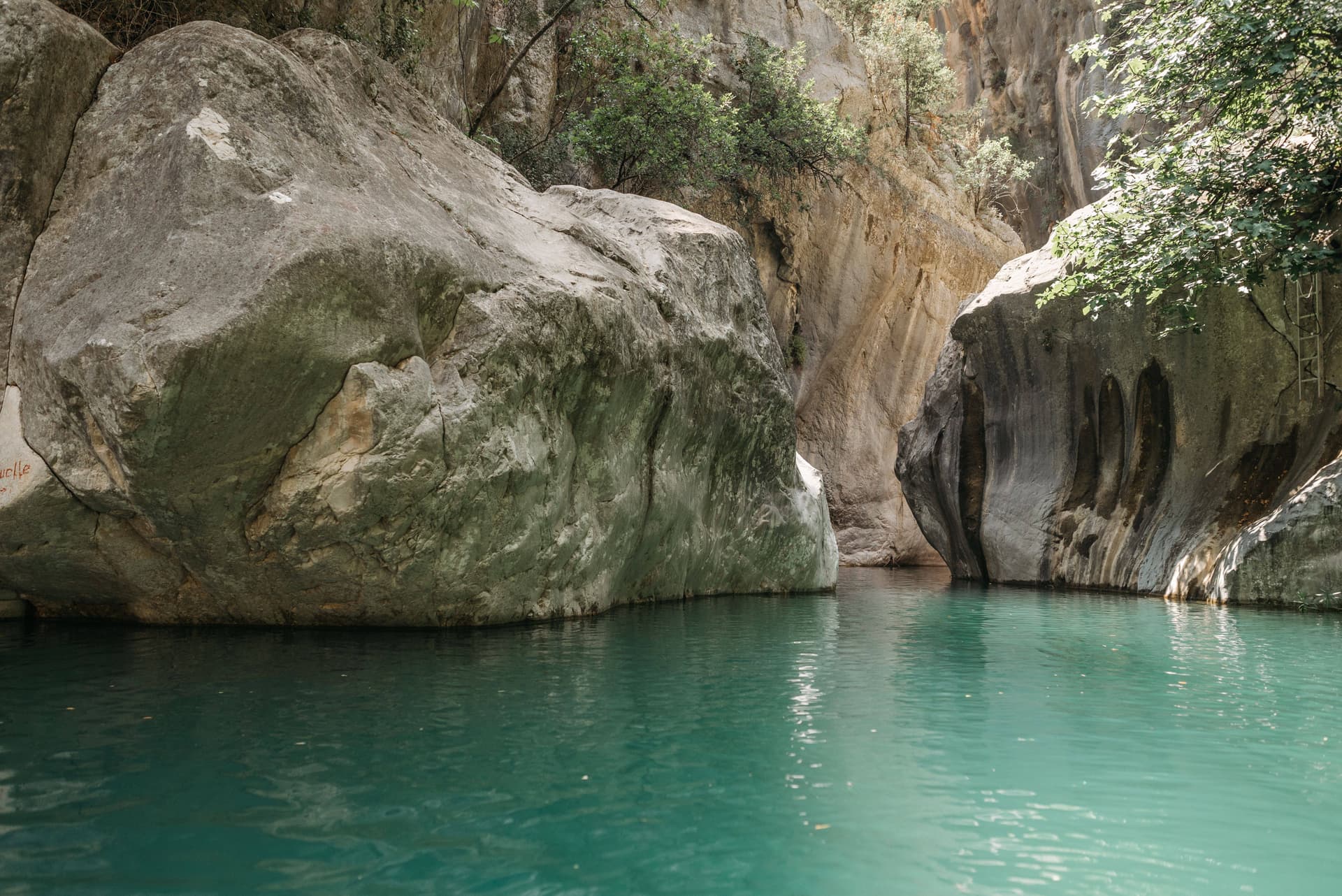
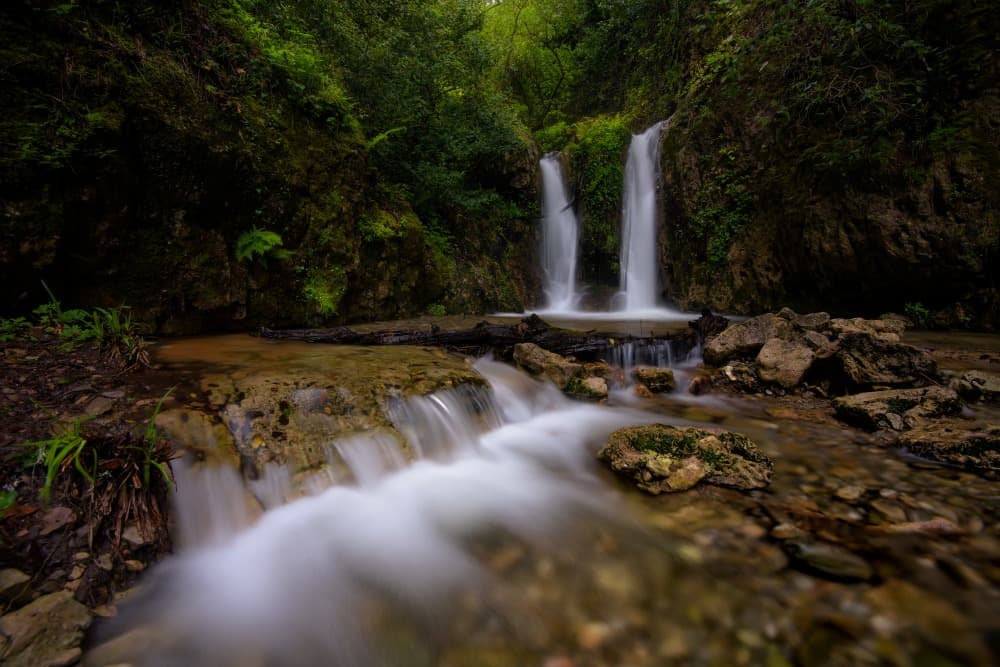
The landscapes alternate between limestone plateaus riddled with sinkholes, millennia-old forests of holm oak and juniper across the Golgo plateau, deep gorges and perched villages standing at 600 or 900 metres altitude. The Gorropu canyon, carved by the Rio Flumineddu between Urzulei's and Orgosolo's Supramonte, reaches 500 metres of vertical wall, making it one of Europe's deepest gorges. Further south, the Selvaggio Blu trail links Pedra Longa to Cala Sisine over seven stages: no continuous marking, rappels up to 45 metres, bivouacs without water. We only offer it to experienced hikers, always with a local guide from Baunei or Dorgali.
Culturally, Barbagia remained apart from the dominions that shaped Sardaigne's coast. The Romans already called it Barbaria, land of unsubdued barbarians. This independence left behind its own language, Sardinian Nuorese, vocal polyphony in the form of canto a tenore inscribed on UNESCO's list, and a festival calendar that still structures the year: Mamuthones of Mamoiada in January and February with their black wooden masks and clusters of 30-kg bells, Boes and Merdules of Ottana, Cortes Apertas in around fifteen villages between September and December, where families open their courtyards to share pane carasau, seadas and casu marzu.
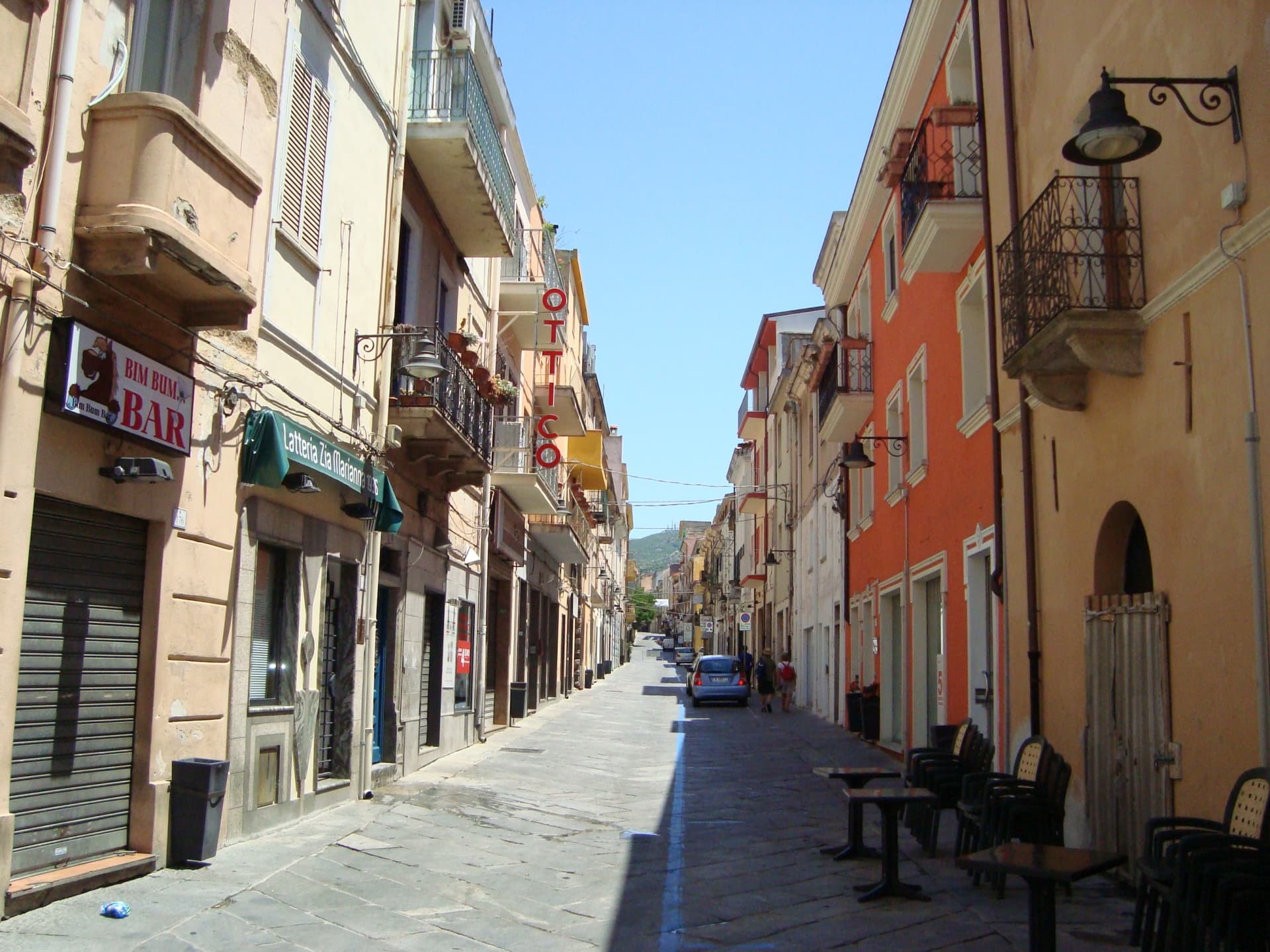
Orgosolo draws attention for its murals. The first mural dates from 1969, painted by the Dioniso collective around a schoolteacher, Francesco Del Casino. Today there are over 200, scattered across the facades of the centre. Themes remain political: peasant struggles, Spanish Civil War, Palestine, mine closures. It's neither an open-air museum nor a stage set: walls are repainted, contested, covered over. Just nearby, Oliena lives by viticulture, producing a structured Cannonau riservato that we taste at two or three winegrowers we know.
The economy remains pastoral. Sardaigne counts roughly three million sheep for 1.6 million inhabitants, and Barbagia raises a good share of them. Pecorino sardo and fiore sardo, smoked over oak wood in the sheepfolds, come from these flocks. Porceddu, suckling pig weighing 4 to 6 kg spitted and roasted 4 to 5 hours over myrtle embers, is eaten in the agriturismi of Mamoiada, Oliena or Gavoi, generally preceded by malloreddus in sausage sauce and followed by seadas, fresh cheese fritters drizzled with bitter arbutus honey.
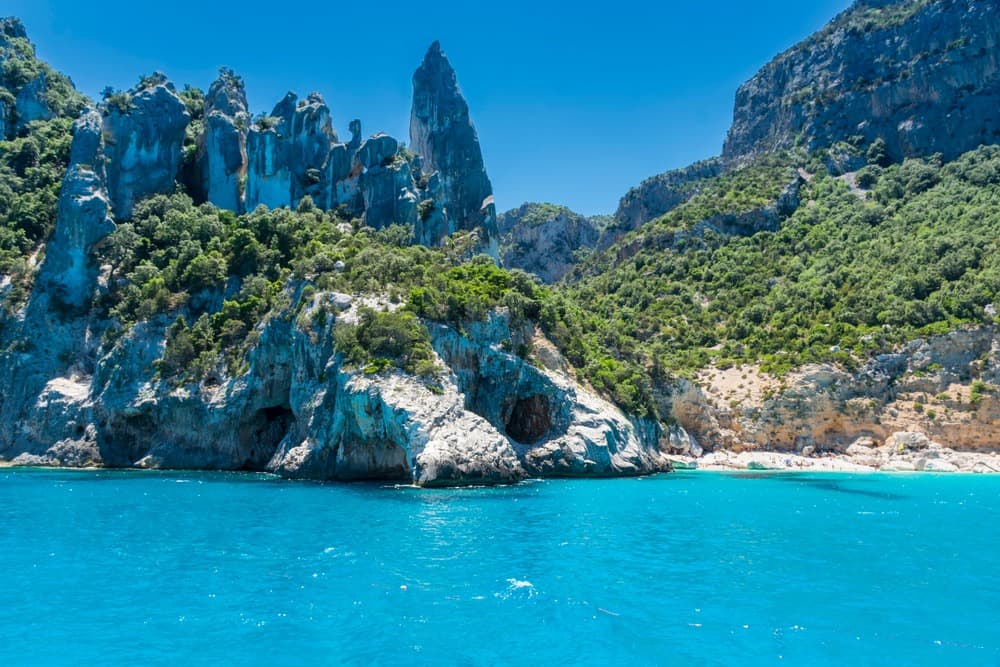
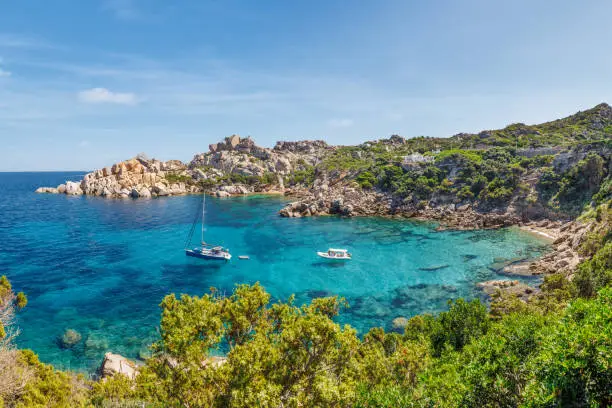
What justifies the detour for our travellers is not a postcard but a contrast. An hour from the turquoise beaches of the Gulf of Orosei, you step into a universe of stone, silence and ancient codes. Barbagia demands earning it: slow roads, technical trails, villages you enter by recommendation. That's precisely what we know how to organise.
To discover
Hiking in the Gorropu Gorges. Five hours return from Sa Barva bridge, between white limestone blocks and pools of clear water, beneath 500 metres of walls where reintroduced griffon vultures nest.
Orgosolo's 200 murals. Two hours walking through the village centre, accompanied by a resident who explains the commissions, repaints and conflicts surrounding each fresco since 1969.
Mamuthones of Mamoiada in winter. On 17 January for Sant'Antonio then during carnival, twelve masked men in black wood advance to the rhythm of 30-kg bells strapped to their backs.
Pastoral meal at a shepherd's. In a sheepfold above Oliena, porceddu roasted 4 hours, house-smoked pecorino and Cannonau served by the ladle, seated on oak benches around the hearth.
Golgo plateau and Su Sterru. Above Baunei, walking across a limestone plateau at 400 metres altitude to the edge of Su Sterru, a vertical chasm of 270 metres, one of Europe's deepest in solid rock.
When to go
The best window for Barbagia spans mid-April to mid-June, then mid-September to end October. In spring, pastures are green, temperatures oscillate between 12 and 22°C during the day at 800 metres altitude, and springs still flow in the gorges. In autumn, oak forests take on copper tones and it's the season for Cortes Apertas in villages. Summer, July and August, remains feasible but afternoons often exceed 35°C in valleys like Dorgali or Nuoro; we then shift hikes between 6 and 11 am, and nights drop to 18°C at altitude, making sleep pleasant.
December to February should be considered only for the mask calendar (Mamuthones, Boes): snow is possible above 1,000 metres, several passes occasionally close and many Supramonte agriturismi are on winter break. March remains rainy, with 80 to 100 mm cumulative, but villages are calm and accommodation reopens gradually.
Practical advice
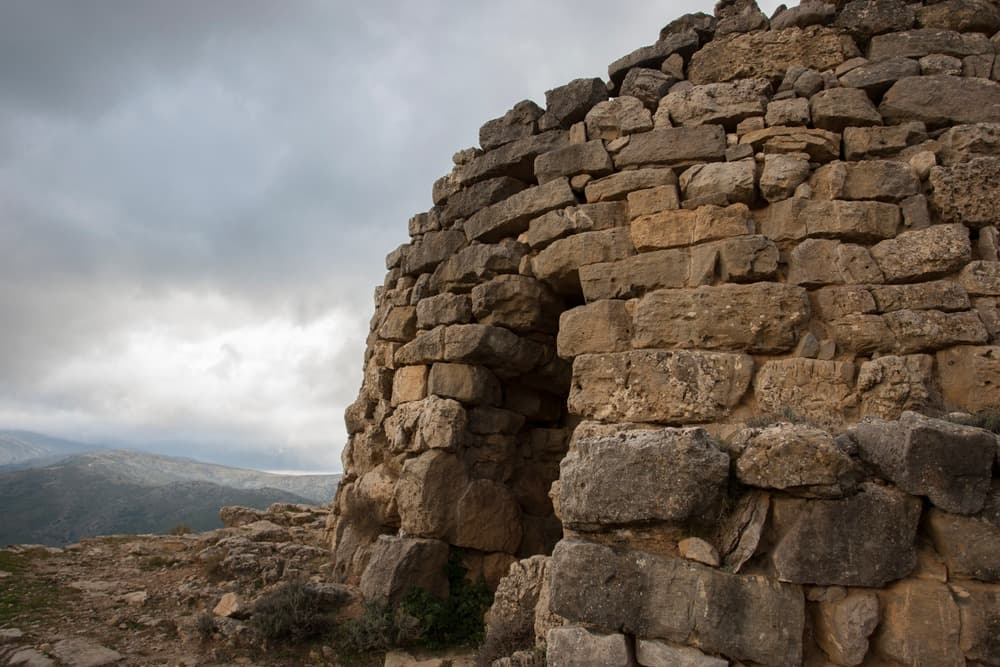
Plan at minimum 4 full days to enter the region: one day in Nuoro and Orgosolo, one day hiking in Gorropu or Tiscali (Nuragic village wedged in a sinkhole), one day on the Golgo plateau above Baunei, and one day visiting villages and tables, between Mamoiada, Oliena and Gavoi. A week allows you to add a partial Selvaggio Blu or several Supramonte stages. The logical entry point is Olbia airport, 1 hour 40 from Nuoro, or Cagliari at 2 hours 30; a car is essential, roads are narrow and buses infrequent.
Barbagia combines very naturally with the Gulf of Orosei: sleep at altitude, descend to swim at Cala Luna or Cala Goloritzé during the day, return in the evening. With Gallura and the North, the stone-sea contrast works equally well over 10 to 12 days. Comfort remains pastoral: family agriturismi, small village hotels in Oliena or Dorgali, rarely more than 15 rooms. This region speaks to walkers, food and wine enthusiasts, contemplative travellers who accept slow roads. It suits families with children from age 10 onwards, provided you pace the hikes accordingly.