Supramonte
A limestone massif in central-east Sardaigne, Supramonte brings together vertiginous gorges, dense forests and prehistoric archaeological sites across largely untouched territory.
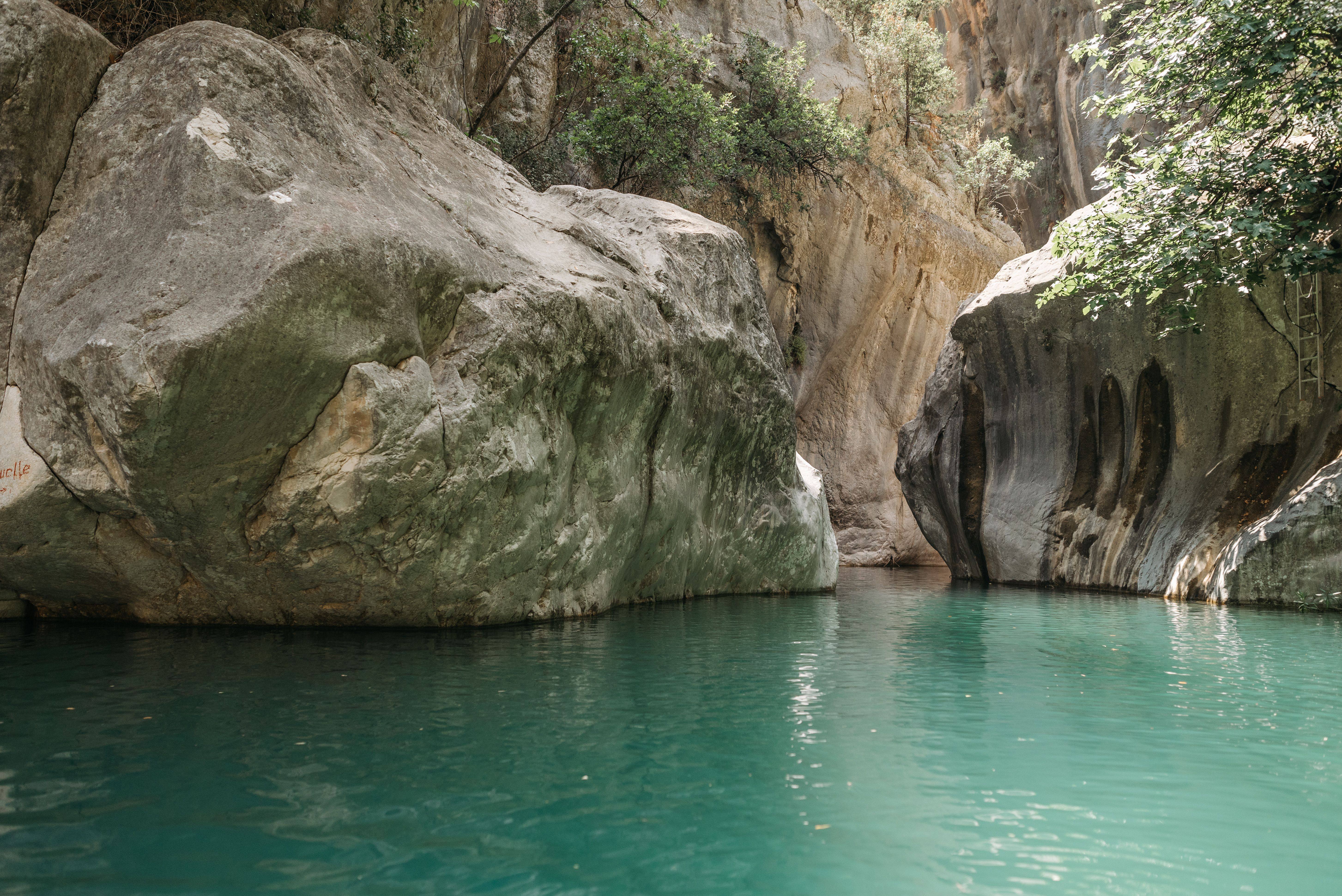
Supramonte is a limestone massif in central-east Sardaigne, shared by the municipalities of Dorgali, Orosei, Orgosolo and Urzulei. Its deep gorges, holm oak forests and caves make it one of the island's most preserved wild territories. Here, white rock dominates, trails remain barely marked and wildlife—Sardinian mouflons, golden eagles, Sardinian deer—thrives with minimal human pressure.
Quick reference facts
- Access: a car is essential; forest tracks are often unpaved and require a vehicle with good ground clearance.
- Guides required: for the Gorropu Gorges and certain protected areas, an approved guide is required or highly recommended.
- Suggested duration: a minimum of one day for a hike; two to three days to explore multiple sectors.
- Gear: hiking boots are mandatory, bring plenty of water, solar protection.
- Season: spring and autumn are ideal; in summer, intense heat and fire risk may close certain areas.
What you'll see
The massif offers limestone karst landscapes, dense forests of holm oak (leccio) and century-old junipers. The Gorropu Gorges—a canyon among Europe's deepest—represent the most spectacular highlight. The Tiscali caves shelter a nuragic village perched within a collapsed sinkhole. The Flumineddu springs feed crystalline rivers accessible on foot.
History and context
Supramonte has been inhabited since prehistory: nuraghi and domus de janas (rock-cut tombs) dot its foothills. The village of Tiscali, hidden within a natural cave, dates to the Iron Age and testifies to refuge occupation against Roman invasions. For centuries, the massif served as transhumance territory for Barbagia shepherds—a practice still alive in certain villages.
Visit highlights
The Gorropu Gorges
This limestone canyon reaches vertical walls of several hundred metres in places. Access from Su Gorroppu requires crossing the Flumineddu riverbed—passable on foot outside flood season. The round-trip walk from the car park takes half a day.
The nuragic village of Tiscali
Accessible from Lanaittu Valley, this unique archaeological site lies buried within a collapsed cave. The dry-stone huts are partially preserved. The climb is steep; allow two to three hours round-trip from the base of the valley.
Lanaittu Valley
Enclosed and shaded, this valley harbours prehistoric caves (Sa Oche, Su Bentu) and lush vegetation. It serves as a starting point for several itineraries into the heart of the massif.
The plateaux and wildlife
On the heights, bare plateaux offer clear views across the coast and the Gulf of Orosei. The Sardinian mouflon (Ovis aries musimon) is frequently spotted at dawn and dusk.
Photography tips
Golden morning light in the Gorropu Gorges is optimal between May and September. For Tiscali, light filters through the sinkhole opening mid-morning. Limestone plateaux offer strong contrasts at any hour; a polarising filter reduces glare on white rock. Avoid midday heat in summer: the light is harsh and the temperature exhausting.
Location and access
Supramonte lies in Nuoro province, in Barbagia and Ogliastra. The main entry points are Dorgali (for Gorropu and Lanaittu) and Orgosolo (for western sectors). From Nuoro, allow approximately 40 to 50 minutes by car to reach Dorgali. No public transport serves the interior of the massif. Local agencies in Dorgali and Orosei offer guided hiking or 4×4 excursions.
Nearby places worth visiting in connection with your trip:
- Gorropu Gorges — the massif's deepest limestone canyon.
- Tiscali nuragic village — a unique archaeological site within a cave.
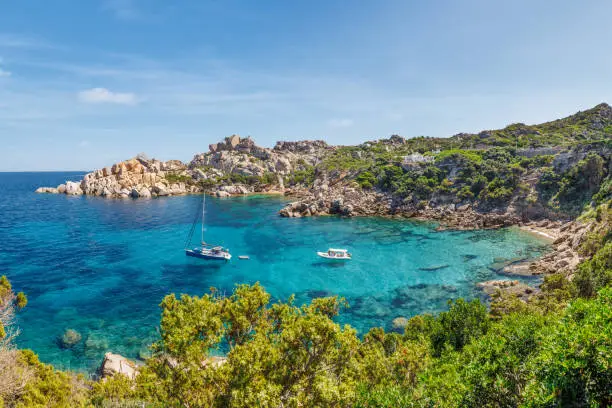
- Gulf of Orosei — limestone coast accessible by boat from Cala Gonone.
- Cala Gonone — beach village, logistical base for the massif and coastline.
In the vicinity
- Dorgali — artisanal town renowned for ceramics and leather, gateway to Supramonte.
- Orgosolo — village known for its political murals covering façades since the 1970s.
- Ispinigoli Cave — limestone cavity with one of Europe's tallest stalagmites, near Dorgali.
- Nuoro — capital of Barbagia, home to the Sardinian Ethnographic Museum (MEM) and the Deleddiano Museum.
Interested in this visit?
We can include it in your personalised itinerary.