Nuraghe Serbissi
Perched on a limestone plateau over 900 metres above Osini, Nuraghe Serbissi is a Bronze Age complex dominating the Quirra Gorges and the reliefs of Sardinian Ogliastra.
Nuraghe Serbissi stands on a limestone plateau overlooking the village of Osini in Sardinian Ogliastra. This nuragic complex, perched at over 900 metres altitude, combines a central tower and ancillary structures characteristic of the Sardinian Bronze Age. The site offers sweeping views over the Quirra Gorges and Ogliastra reliefs, while bearing witness to continuous human occupation spanning several millennia.
What you'll see
The nuraghe comprises a main tower (mastio) in basalt and limestone, partially preserved, surrounded by secondary structures. The cyclopean walls, built without mortar, reach several metres in thickness. Immediately nearby are the remains of nuragic village huts (villaggio), typical of the social organisation of the time. The plateau itself, covered in Mediterranean maquis, is home to dense vegetation of holm oaks and strawberry trees.
History and context
Nuraghi are defensive and ceremonial towers erected in Sardinia between roughly 1800 and 500 BCE by the nuragic civilisation. Nuraghe Serbissi belongs to the classical phase of this culture. Its elevated position, dominating surrounding valleys, suggests a function of territorial control. Excavations have uncovered ceramics and bronze objects confirming prolonged occupation through the Iron Age.
Highlights of the visit
The central tower
Access to the inner vaulted chamber (tholos) allows you to observe nuragic building technique: courses of dressed stones arranged in progressive corbelling. The darkness and particular acoustics of the central hall are striking.
The panorama over Ogliastra
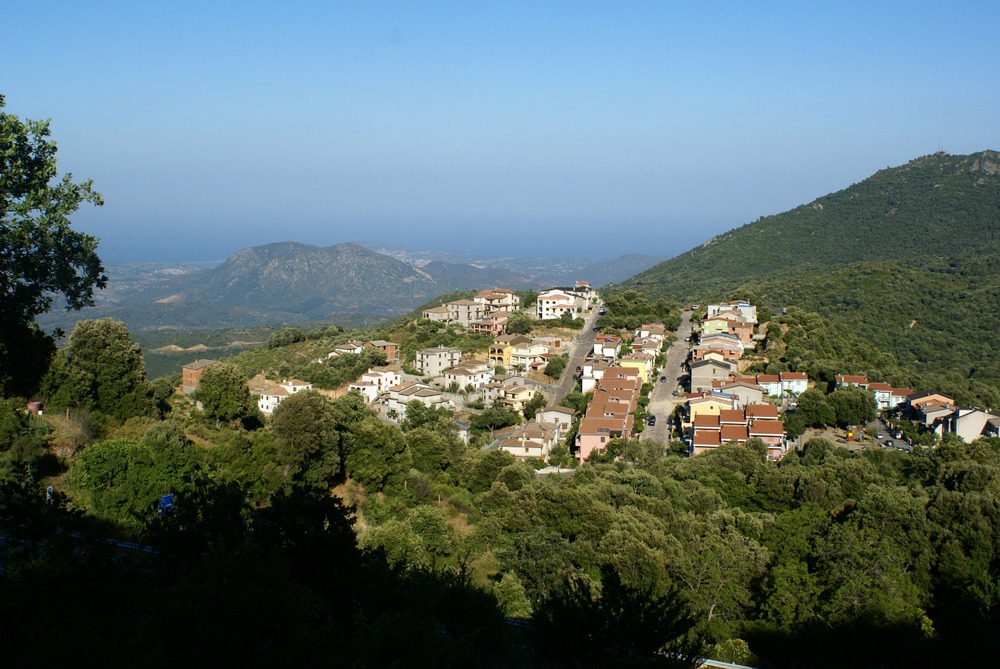
From the plateau, views sweep over the Quirra Gorges, the wooded reliefs of Ogliastra and, on clear days, as far as the Gulf of Cagliari to the southwest. This intact natural setting reinforces the archaeological dimension of the site.
The nuragic village
The ruins of circular huts surrounding the central tower give a concrete sense of how a nuragic village was organised: domestic spaces, storage areas, communal courtyards.
Photography tips
Morning light, grazing across the stones, brings out the texture of the cyclopean walls. In late afternoon, the setting sun illuminates the plateau and gorges below. Avoid midday in summer: the light is harsh and shadows crushing. A wide-angle lens is useful for framing the tower within its natural surroundings.
Location and access
Nuraghe Serbissi stands on the heights above Osini, a municipality of Ogliastra in central-eastern Sardinia. Access is via a mountain road from the village of Osini; a personal vehicle is essential, as no public transport serves the site. The final path to the plateau may require a few minutes' walk over uneven terrain. Disabled access is limited due to the natural terrain.
Nearby
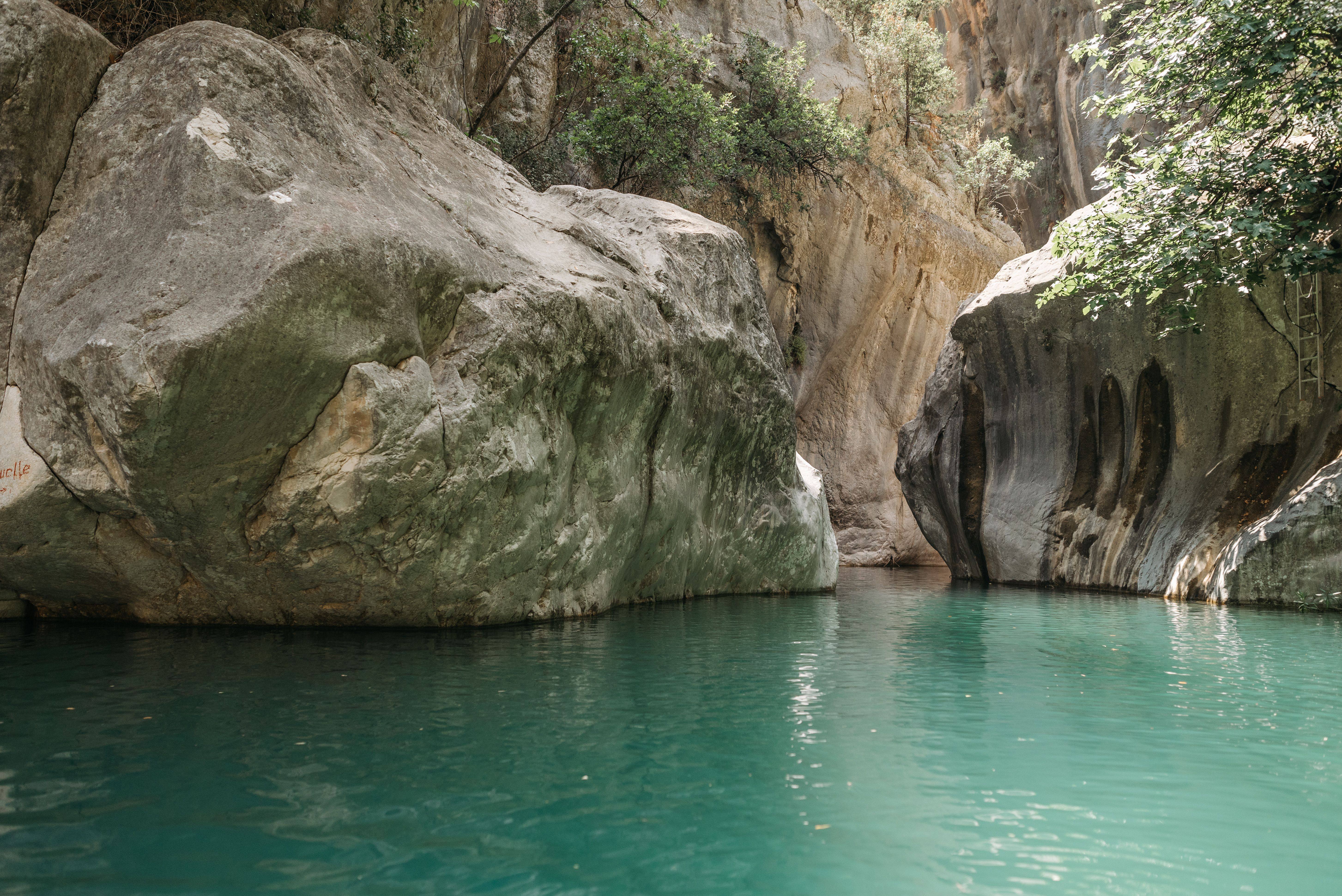
- Quirra Gorges — deeply incised valley with spectacular limestone walls, accessible from Osini.
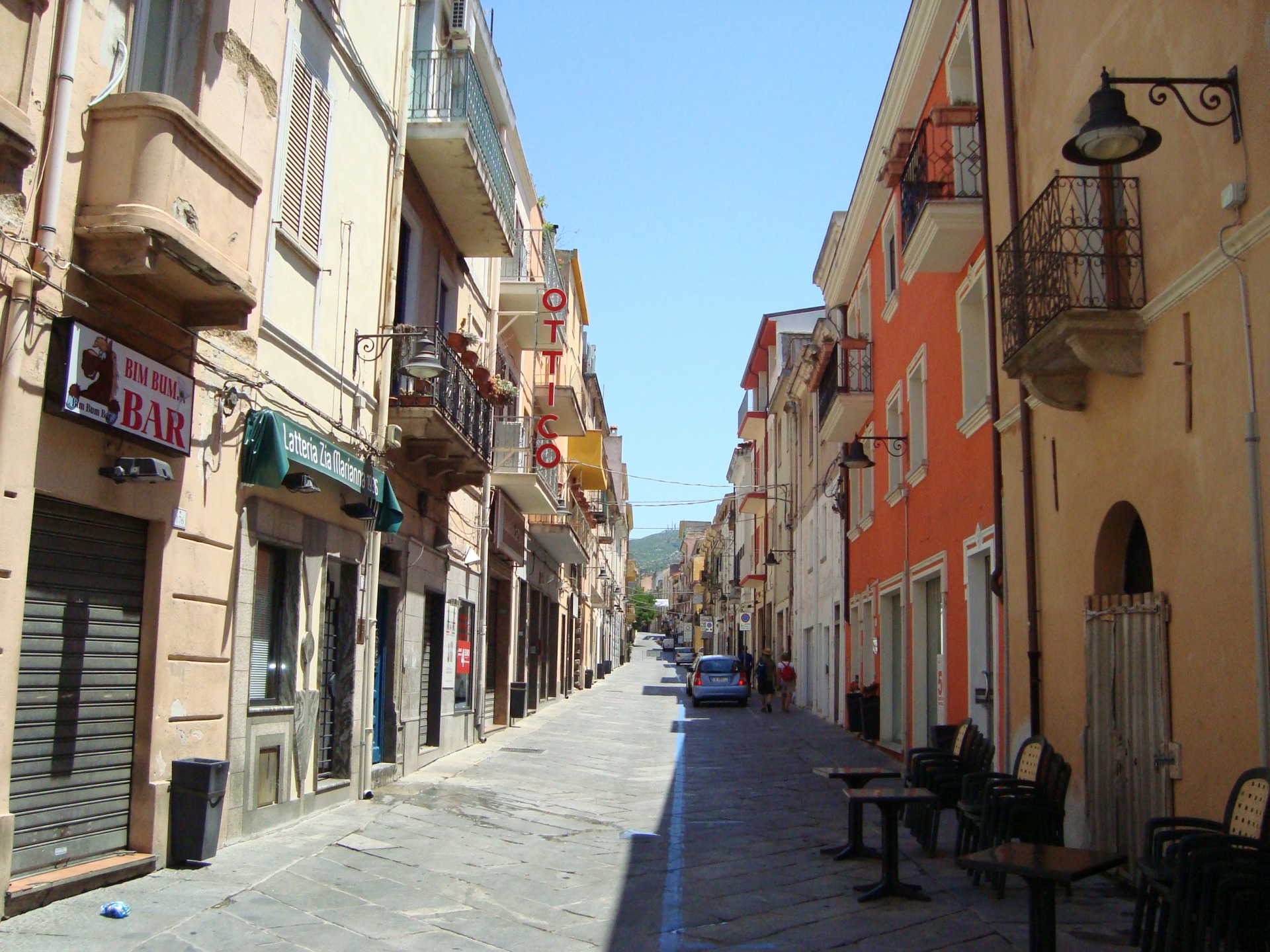
- Village of Osini — mountain hamlet preserving traditional stone architecture.
- Jerzu — neighbouring village renowned for its Cannonau, the emblematic red wine of Ogliastra.
- Gairo Vecchio — abandoned village after landslides, a moving architectural remnant.
Frequently asked questions
Spring (April–June) and autumn (September–October) offer pleasant temperatures and verdant vegetation. In summer, midday heat on the plateau can be intense; bring water and sun protection.
No specific clothing is required. Walking shoes are strongly recommended to navigate the rocky and uneven terrain of the plateau.
Yes. Ogliastra concentrates several nuraghi and archaeological sites. One day allows you to combine Serbissi with exploration of the Quirra Gorges and a visit to Jerzu to discover local Cannonau wine.
Photography is generally permitted at open-air archaeological sites in Sardinia. No particular restrictions are noted for Nuraghe Serbissi, but avoid contact with the stones to prevent damage.
Children can visit the site without major difficulty with adult supervision. Disabled access is limited: the uneven natural terrain of the plateau makes a visit challenging in a wheelchair.
Interested in this visit?
We can include it in your personalised itinerary.