Ulassai
Ulassai
In the heart of Sardinian Ogliastra, Ulassai combines spectacular caves, contemporary art by Maria Lai and climbing cliffs. Our complete guide.
Nestled in the hinterland of Ogliastra, in central-east Sardaigne, the village of Ulassai seduces visitors with its underground cavities and open-air artworks. Here's what you need to know.
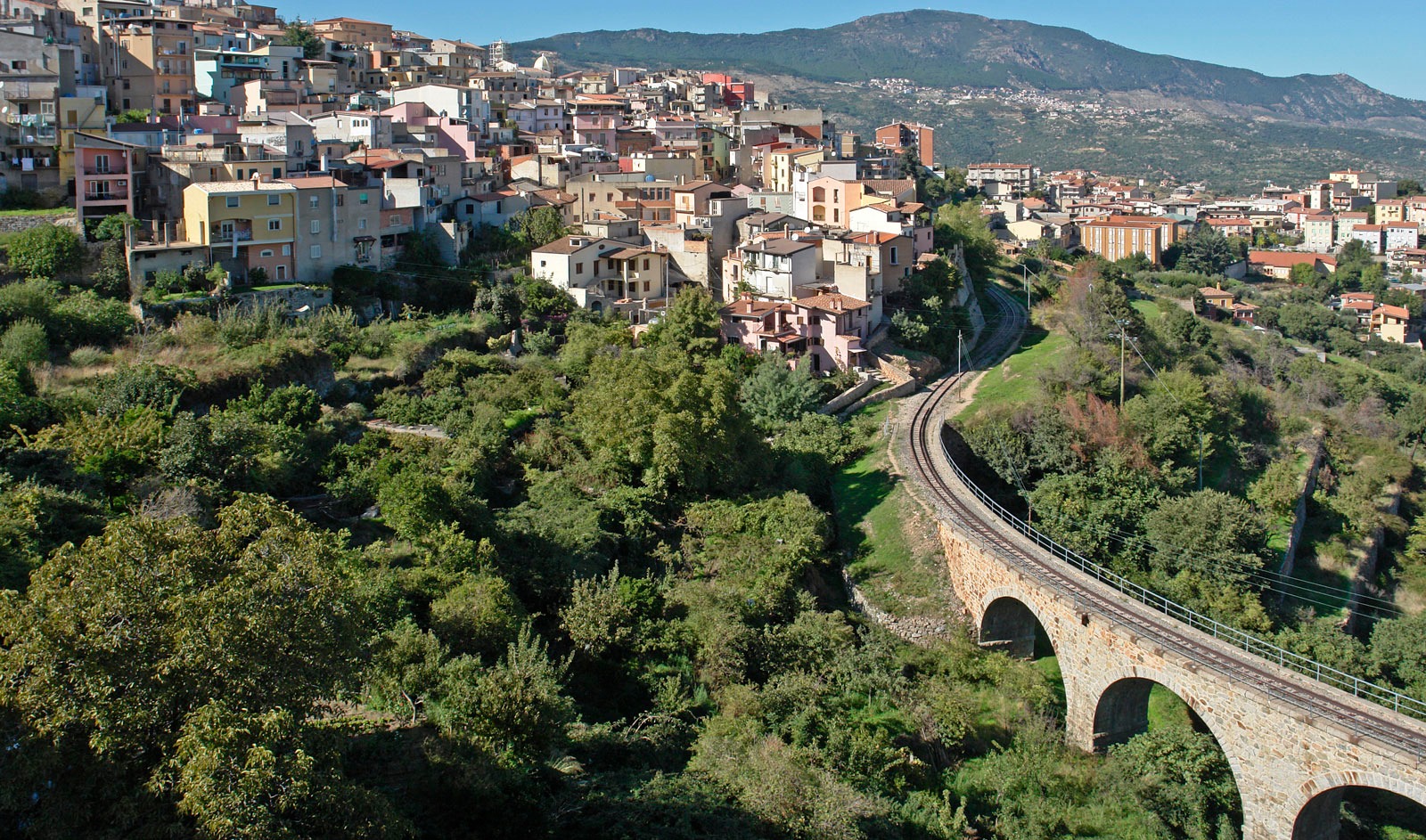
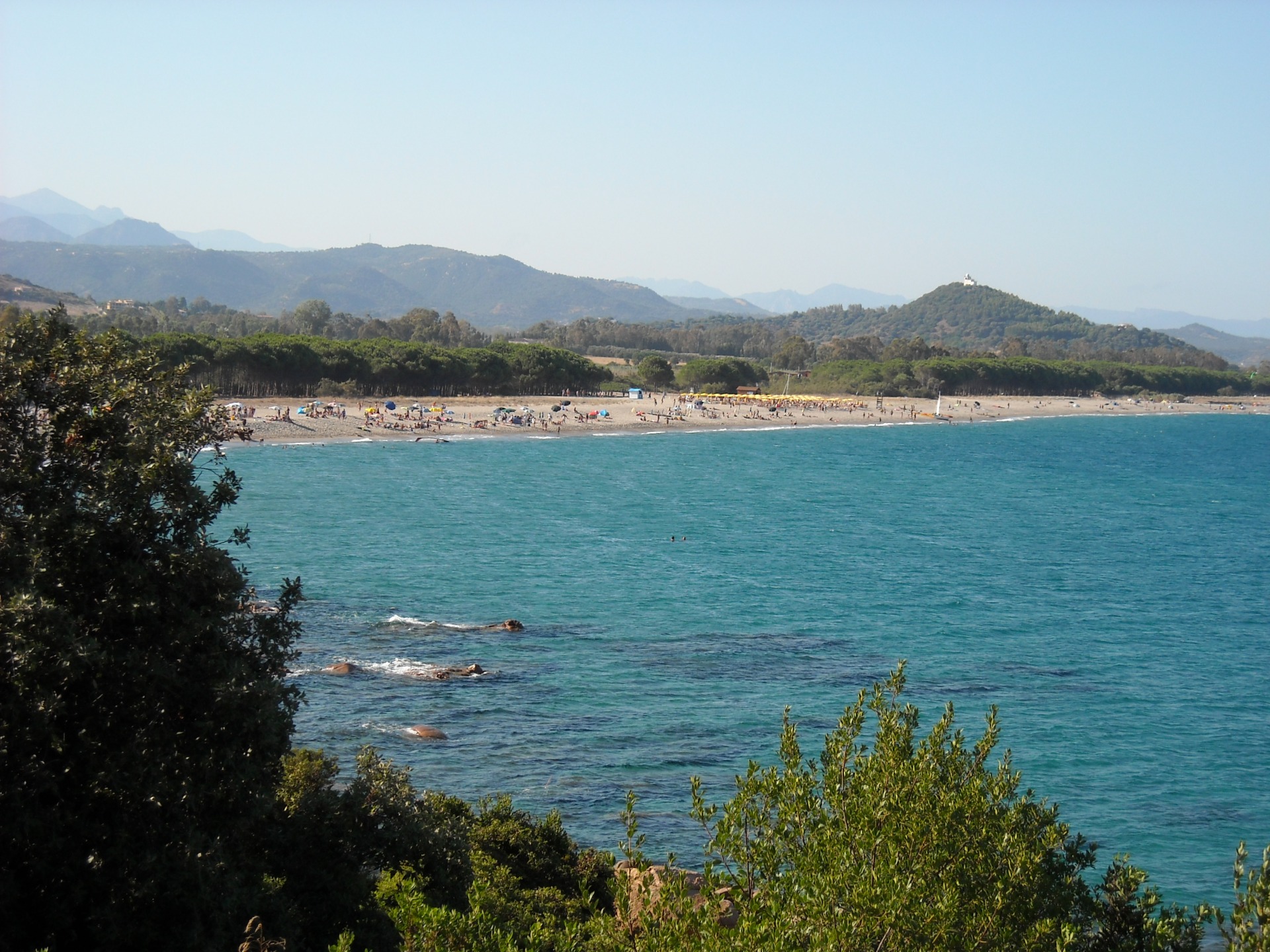
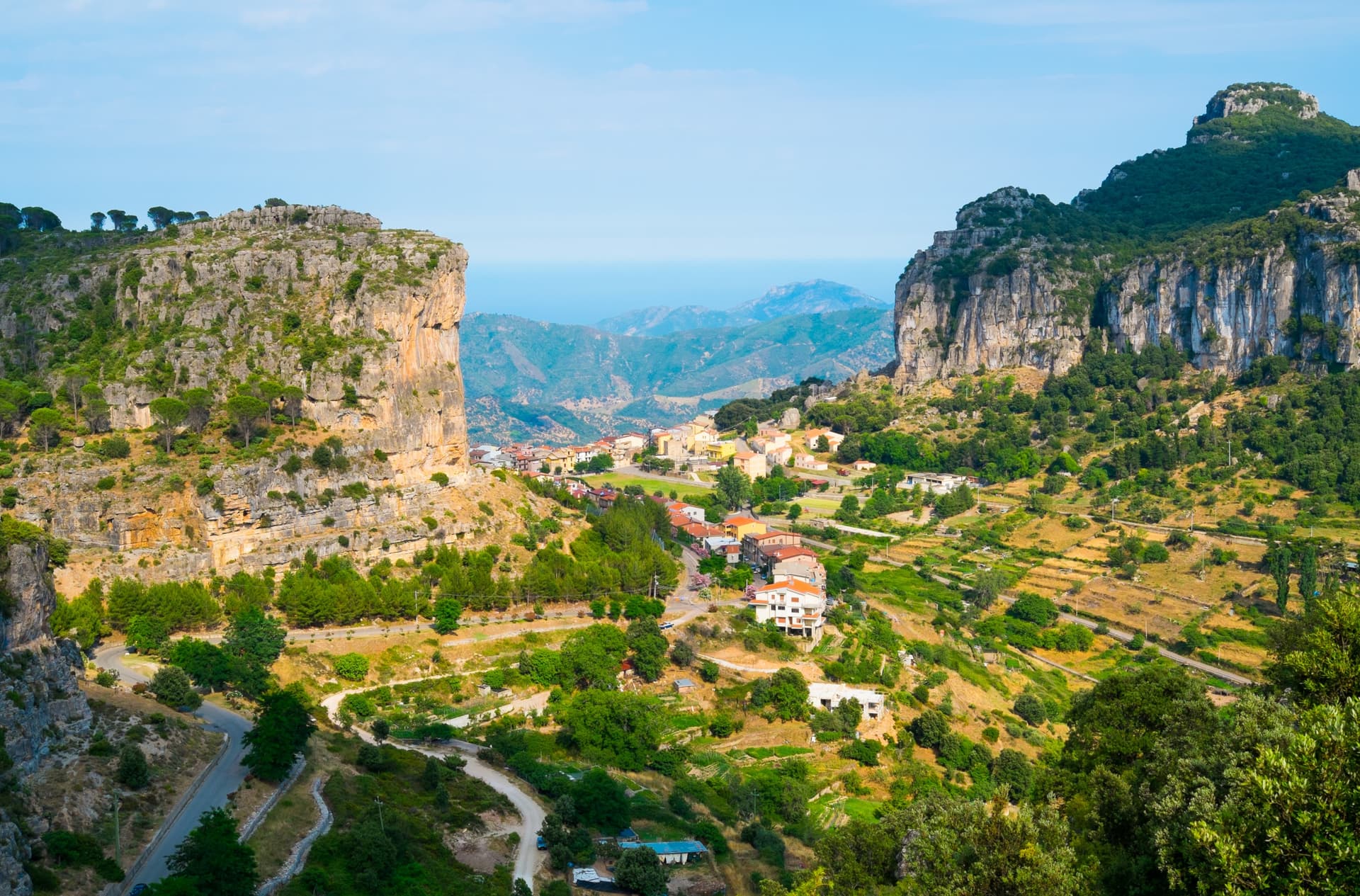
Ulassai is one of those charming mountain villages of Ogliastra, just a 5-minute drive from the coast. At the sight of nuragic towers standing on rocky plateaus, some wonder if this small shepherd village near Barbagia di Seulo doesn't resemble other Sardinian villages. The answer is both yes and no. You'll visit nuraghe structures, remnants of a primitive settlement that astonishes with its builders' ingenuity. But the charm of Ulassai lies essentially in two things: it is home to the Su Marmuri underground caves as well as Maria Lai's open-air museum, a daughter of the region who became a world-renowned artist. Coming to Ulassai means marveling at geological heritage, the quality of artworks, and also the gastronomic delights of the local terroir.
Historical notes
The arrival of the first human settlements dates back to the Bronze Age, around 1600 BC to be precise. Men built fortified stone and terracotta towers to secure their dwellings. Dolmens and menhirs served as communal burial sites. Legendary fairies inhabited the domus de janas. The nuraghe of Seddurrulu and S'Ulimu are, among others, the heritage of this civilization.
The first records of the city date from 1217. Its name changed over the centuries: Ulazzai, Ulusai then Ulassa. There is also mention of a village called Lessei, inhabited since the nuragic age before being abandoned in the mid-14th century. As for etymological meaning, scholars believe that Ulassai is formed either from the Phoenician "alaz" which refers to the hot climate, or from the Latin "gula-assa" which alludes to the steep relief of the territory, dotted with gorges and cliffs.
In the Middle Ages, the Carroz, Centelles and Borgias subjected the city to their power with the agreement of Aragonese kings. These noble feudal families were only concerned with their own fortune without caring to maintain order and justice. Disputes between peasants were frequent. It was not until 1839 that Ulassai finally obtained the status of an autonomous city with a town hall and Municipal Council, after the Ogliastra department bought it from the county of Osorio.
Ulassai today
Olive groves, vineyards, grassy meadows… Ulassai is the archetype of these isolated mountain villages that forged their identity on agricultural traditions. Once, livelihoods were based purely on the breeding of goats, sheep, pigs and horses. Since the 1950s, the economy has expanded considerably. Cheeses, salamis and hams are famous specialties of the region. Each household has its own wood-fired oven for baking traditional breads and pastries. But industrial under-equipment is striking, except for honey production centers.
Tourism is still a young sector, but future prospects are real. Perched at 775 meters altitude, Ulassai's territory displays varied landscapes, ranging from the Pardu valley flooded with olive groves to rocky hills and limestone cave complexes. Hiking, speleology and sport climbing enthusiasts will not be disappointed staying here. For art lovers, Ulassai is above all the birthplace of Maria Lai. This great figure of relational art created her masterpiece in the village's farm houses by connecting them with a ribbon of azure, a living symbol of harmony and friendship. By staying in Ulassai, travelers will meet nature, art and archaeological treasures, while helping a low-income village that relies on the tourism industry to end emigration.
What to see and visit in Ulassai
Welcome to Ulassai! Two days are not too much to explore all the city has to offer. If you lack time to see everything, note these must-see points of interest in your travel journal.
The Su Marmuri caves
The Su Marmuri cave - cave of marble in the Sardinian language - is a familiar place to speleology experts. Indeed, it comprises galleries of stalactites and stalagmites extending over 800 meters long. Apart from the thrill of exploring one of Europe's most important caves, you'll enjoy refreshing coolness during an hour of hiking. To access it, you'll need to cross the limestone cliffs of the tacco d'Ulassai. For your information, a thick maquis forest hid the cave from view for several centuries. Many bat species take refuge there, including the Minioptera. The highlight of the visit is the gigantic 20-meter-high column found inside the Cactus chamber.
The Maria Lai art museum
Tying herself to the mountain… Maria Lai's masterpiece that made her known across Europe also attracts thousands of tourists to her native city. Beyond these dwellings intertwined on the hillside, other artistic pieces demand your attention at the Station Dell'Arte, pleasantly nestled among Ulassai's rocky hills. Prepare yourself to discover exceptional creations both for their originality and their deep sensitivity. The artist portrays the universe of humble peasants dear to her heart: The Shepherd with his Goat in the Morning, The Sewn Goats, The House of Worries, The Road of Traditions, and more. She produces paintings, sewn books, frames, ceramic or terracotta objects and looms. Beyond the communal laundry, the library, cemetery and residential areas all bear traces of her creative genius.
Archaeological heritage
- The nuraghe S'Ulimu: located 720 meters above sea level, the nuraghe S'Ulimu is, with its two massive towers supported by a wall, a striking example of a nuragic complex. The main tower, 7 meters high, is still in good condition; the smaller tower is partially collapsed. The nuraghe was intended for storing forage and harvests.
- The nuraghe Pranu: this single-tower nuraghe was completed during the Late Bronze Age. Its south door featured a beautiful architrave now gone. A few meters away stand two other nuraghe structures on the cliff face.
- Around the heel of Ulassai, you can visit eight domus de janas and three megalithic tombs. The ruins of nearby villages invite meditation and leisurely wandering.
Religious heritage
- The rural church of Santa Barbara: 7 km outside the village, the Santa Barbara church is a historic monument not to be missed. If you come to Ulassai during May, you can join the faithful to celebrate the feast of Santa Barbara and the Blessed Virgin of Graces.
Natural heritage
Beyond the Si Marmuri caves, the impressive Lequarci waterfalls are worth seeing. They pour their impetuous waters down in an amphitheater 50 meters high and 70 meters wide before joining small streams. Continuing further, you'll reach another 75-meter-high waterfall.
When to visit Ulassai?
The village experiences peak attendance at the height of summer, namely between July and August. Intense heat may however hinder outdoor activities. Those who travel in spring or autumn are the smartest. Temperatures are pleasant and moderate during these seasons.
To reach Ulassai, foreign nationals are asked to take a flight to Cagliari. About 130 km of road separate Cagliari airport from Ulassai's city center. There are other ways to arrive by air by landing at Olbia or Alghero international airport, but we don't recommend it. The distance is manageable, but the bigger issue is the lack of public transport that can take travelers directly to Ulassai.
If you intend to save on transportation costs by choosing public buses over private cars, Cagliari is your best option. Three times per hour, a train service connects the airport to Cagliari's bus station. Take this train, then board the next bus to Ulassai. The journey takes 3 and a half hours at a cost of 8 euros.
You will love…
- Strolling through olive groves and vineyards;
- Taking a tour of the Si Marmuri caves, Ulassai's main icon;
- Cooling off near the Queraci waterfalls;
- Discovering Maria Lai's delicate artworks;
- Paying tribute to the Gothic Santa Barbara church;
- Tasting cannonau wine and other local specialties;
- Attending a cultural festival.
Attractions in Ulassai
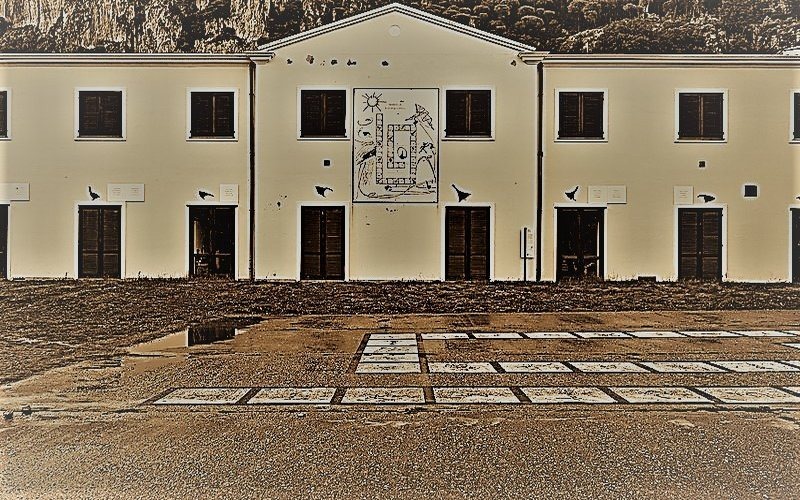
Musée d'art dédié à Maria Lai
À Ulassai, en Ogliastra, le musée Stazione dell'Arte rassemble l'œuvre de Maria Lai et se prolonge dans le village et la montagne par une trentaine d'installations.
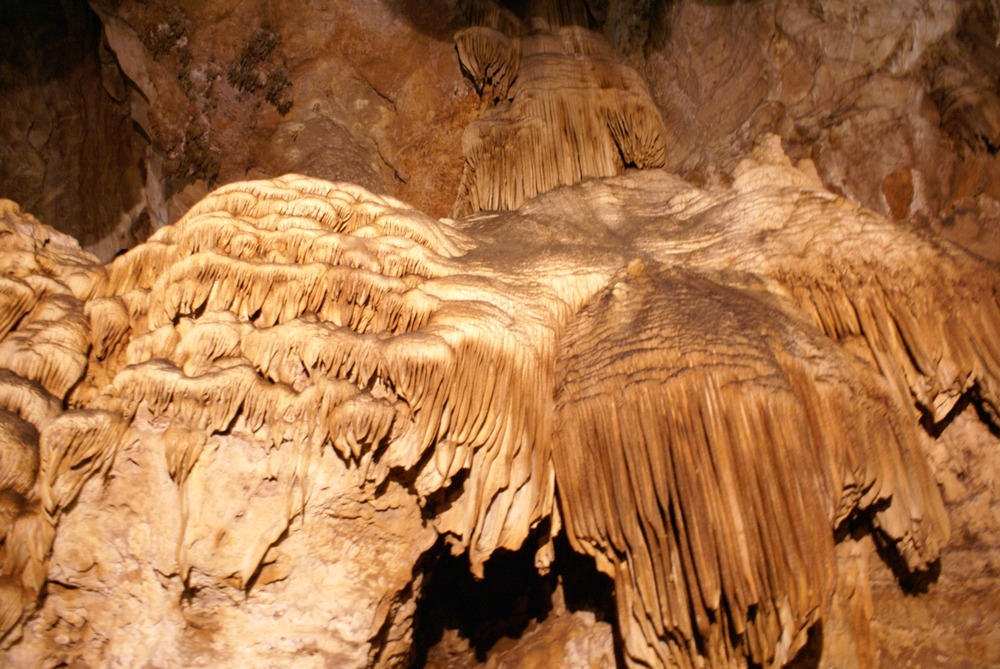
Les grottes de Su Marmuri
Plus de 800 mètres de galeries calcaires dans la vallée de Pardu, près d'Ulassai : le guide complet des grottes de Su Marmuri en Sardaigne.
Want to discover this destination?
Our local advisors design your tailor-made trip.