Lanusei
Lanusei
At the foot of Gennargentu, Lanusei blends medieval heritage, mountain trails and an astronomical observatory in the heart of Sardinian Ogliastra.
With its Renaissance cathedral, Franciscan convent and elegant twentieth-century residences, the village of Lanusei, in south-central Sardaigne, has retained an authentic charm. Here's an overview.
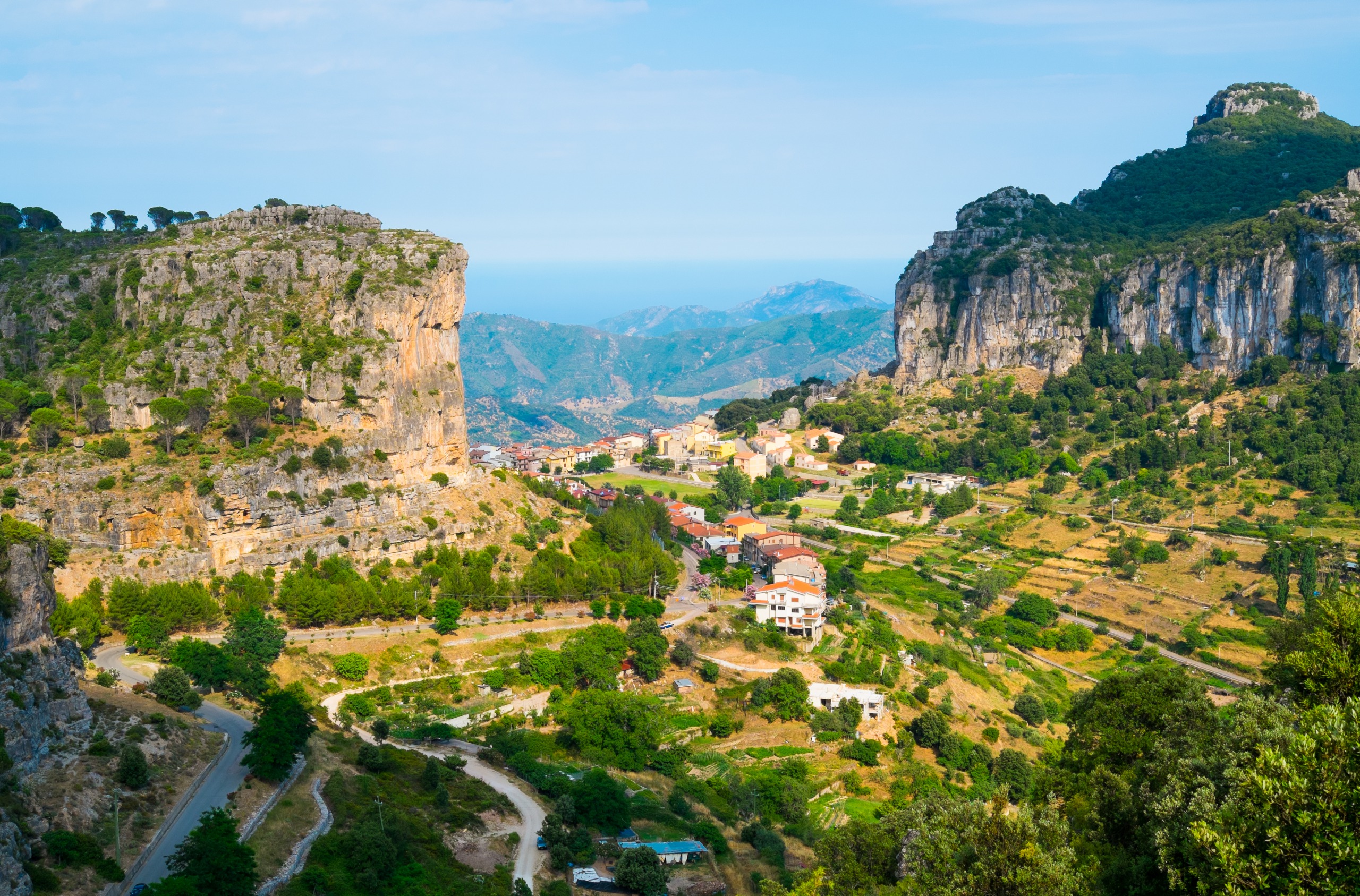
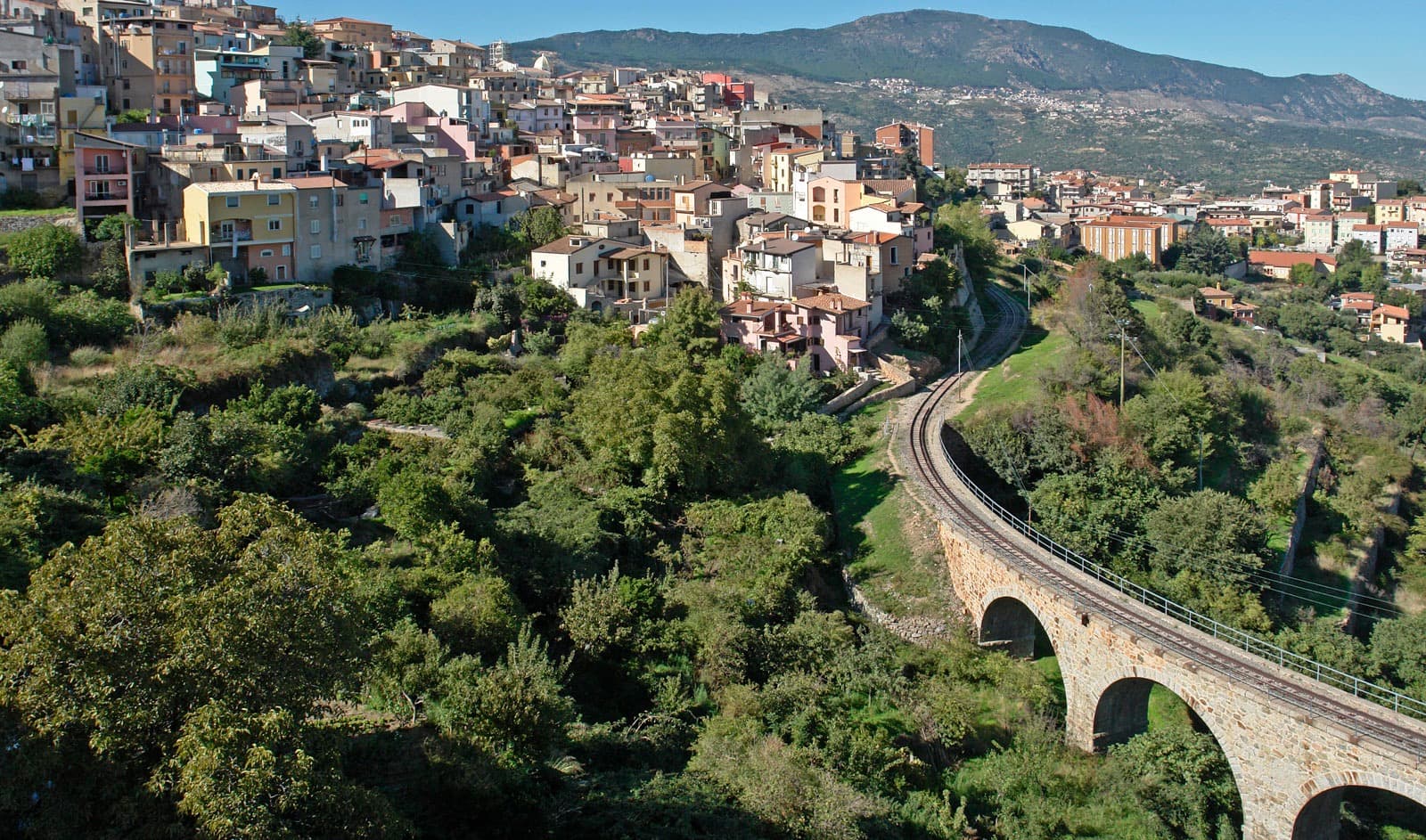
The mountainous foothills of Gennargentu provide a grandiose setting for the town of Lanusei, one of those museum towns typical of Italy where time seems to stand still. Sardaigne's second largest village by population after Tortoli, Lanusei will certainly appeal to hikers. Trek past oak and chestnut trees, share the company of shepherds, explore nuragic ruins, bathe in a thermal spring… Discovery awaits at every turn! The highlight of any visit is a stroll through the historic centre to study the treasures of medieval art, handed down by the Byzantines, Catalans and Dukes of Savoy who successively took control of the city. Whether you're a nature tourism enthusiast or a history and architecture lover, Lanusei is the destination for you. Book your flight to Lanusei without delay and spend an extraordinary holiday in Sardaigne's interior!
Historical Notes
Who can claim to know the origins of this ancient town? Even scholars' opinions are divided. From archaeological investigations carried out by Giovanni Spano, Alberto La Marmora and Mackenzie, it can be concluded that the region was colonized by primitive peoples who entrenched themselves in the Seleni jungle. Two megalithic tombs attest to Lanusei's demographic importance in that distant era.
The first written record mentioning the village dates back to the twelfth century. After being subjected to the ecclesiastical jurisdiction of Cagliari and Gallura, Lanusei was occupied by the Genoese and Pisans until 1324, when Aragonese forces took the island. Feudal families dominated the political landscape. The village was first attached to the county of Carroz, then to the marquessate of Centelles before becoming the property of Osorio de la Cueva. When feudal rule was abolished in 1839, the Kingdom of Italy took direct control of the city.
From 1807 to 1859, Lanusei was elected the provincial capital of Sardaigne. Its administrative territory covered the mountain villages of Barbagia di Seulo and Settle Fratelli. It was subsequently downgraded to a district of the province of Cagliari, then of Nuoro.
Today
Cradle of nuragic civilization, former Pisan and Spanish dependency, then Italian provincial capital, Lanusei has inherited its architecture from a tumultuous past. Don't be put off by its small population (5,271 inhabitants) or its unremarkable economic growth compared to other Italian villages. This tourist destination is as much about its environmental quality as its preserved vernacular architecture. It is located south of Arzana, east of Gairo, west of Bari Sardo and north of Cardedu and Jerzu.
Unmissable Places of Interest
The Seleni Archaeological Park
Walking across the high plateaus on the northern outskirts of the town, you'll reach the gates of the Seleni archaeological park. Before you stands the Santoru nuraghe, a stone-built fortress tower dating from the Bronze Age. Close to the nuraghe, take a look at two giants' tombs that archaeologists unearthed respectively in 1956 and 1964. It's incredible to learn that the earliest Sardinian peoples rest in these megalithic stone blocks. Researchers have dated them to between 1400 and 1200 BC. After being the subject of recurring excavations, the two tombs are now open to visitors. Beyond their historical interest, the Seleni park appeals with its generous woodland. Walkers, picnickers and cyclists will take the opportunity to discover Mediterranean species. On the road to the park stands the chapel of Santi Cosma e Damiano, which also deserves a visit.
Religious Heritage
The Cathedral of Santa Maria Maddalena
Throning in the centre of the city, on Piazza Vittorio Emanuele, Lanusei's mother church is an architectural gem. The cathedral is the result of a renovation project targeting an old sixteenth-century church. It has housed the seat of the Diocese of Ogliastra since 1927. While the panelled portal is interesting for the history of the Saints carved in bronze, the best awaits you inside. The cathedral's vault is decorated with exceptional frescoes by painter Mario Delitala depicting the adultery of Mary Magdalene, her conversion, her penance and her coronation in the heavenly court. Other works by the same artist illustrate famous Gospel episodes: the Nativity, the Passion of Christ and the Death of Christ.
The Shrine of the Madonna of Ogliastra
Completed in 1979 before being enlarged twice in 1987 and 2011, the Shrine of the Madonna of Ogliastra is the residence of Franciscan brothers. It is built on a rocky hilltop. In May, crowds of pilgrims gather here to venerate the Virgin.
Other chapels are worth visiting, such as the Church of Christ the King and its rest home, the church dedicated to Don Bosco and the Church of Maria Ausiliatrice, beautifully nestled in a forest.
Architectural and Historical Heritage
As you wander through the town's cobbled streets, keep an eye out for historic houses, such as Palazzo Piroddi designed by architect Gaetano Cima, or the birthplace of Goffredo Mameli, the musician to whom Italy's national anthem is attributed. Public fountains also form a key part of vernacular architecture. Before electricity arrived, residents came here daily to draw water and hear the latest news.
Attractions for Children
If you're visiting Lanusei as a family, don't miss the Ferdinando Caliumi Astronomical Observatory, built on Mont Armidda. Children will leap with joy observing the stars, identifying each planet in the galaxy and studying the movement of the sun. The Observatory is one of Italy's most important. To give you an idea, it welcomes around 1,200 visitors each year.
Festivals and Events
Liturgical festivals enliven the town throughout the seasons. The most popular is arguably the festival in honour of Don Bosco, held in May. Sports competitions and poetry contests are organized for the occasion. In September, villagers celebrate Saints Cosme and Damien with a procession accompanied by traditional Sardinian dances. Held in June, the Cherry Festival celebrates all things sweet and delicious.
Best Time to Visit
Coming to Lanusei in July or August is not advisable, as crowds of summer visitors would prevent you from sharing intimate moments with family. Instead, opt for a shoulder-season trip. Temperatures warm up as early as May while towards the end of September, autumn colours make for an enchanting walk.
The nearest airport is Tortoli Airport, located on the seafront in the village of Orrì. But for the past few years it no longer offers regular flights to and from France. It's better to book a Paris-Cagliari flight with Ryanair, Air France or another airline. Allow between 4.5 and 5 hours of flight time, including any connection.
Lanusei town centre is 145 km from Cagliari-Elmas international airport. You can get there by taxi, bus or train, but the most convenient option is to arrange a private transfer. Direct buses connect Lanusei to Nuoro, Tortoli and neighbouring municipalities. As for trains operated by Ferrovie della Sardegna, they only run in summer.
You Will Love…
- Taking photos of the neoclassical Cathedral of Santa Maria Maddalena ;
- Examining Mario Delitala's religious frescoes ;
- Strolling through the historic centre ;
- Making discoveries at the Astronomical Observatory ;
- Enjoying a hiking or horseback ride in the woods ;
- Attending the Cherry Festival ;
- Tasting local products (culurgiones, pistoccu…).
Want to discover this destination?
Our local advisors design your tailor-made trip.