Grotta Is Janas
Near Sedilo, Grotta Is Janas shelters domus de janas, neolithic tombs carved into limestone by prehistoric populations of Sardaigne. A discreet, history-laden site to combine with Nuraghe Losa.
Grotta Is Janas lies near Sedilo, in central Sardaigne. Carved into limestone, this natural cavity harbors domus de janas — prehistoric tombs sculpted into rock by the island's neolithic populations. The Sardinian name « Is Janas » refers to fairies or rock spirits in local tradition, bearing witness to the symbolic weight these places have retained through the centuries.
What to See
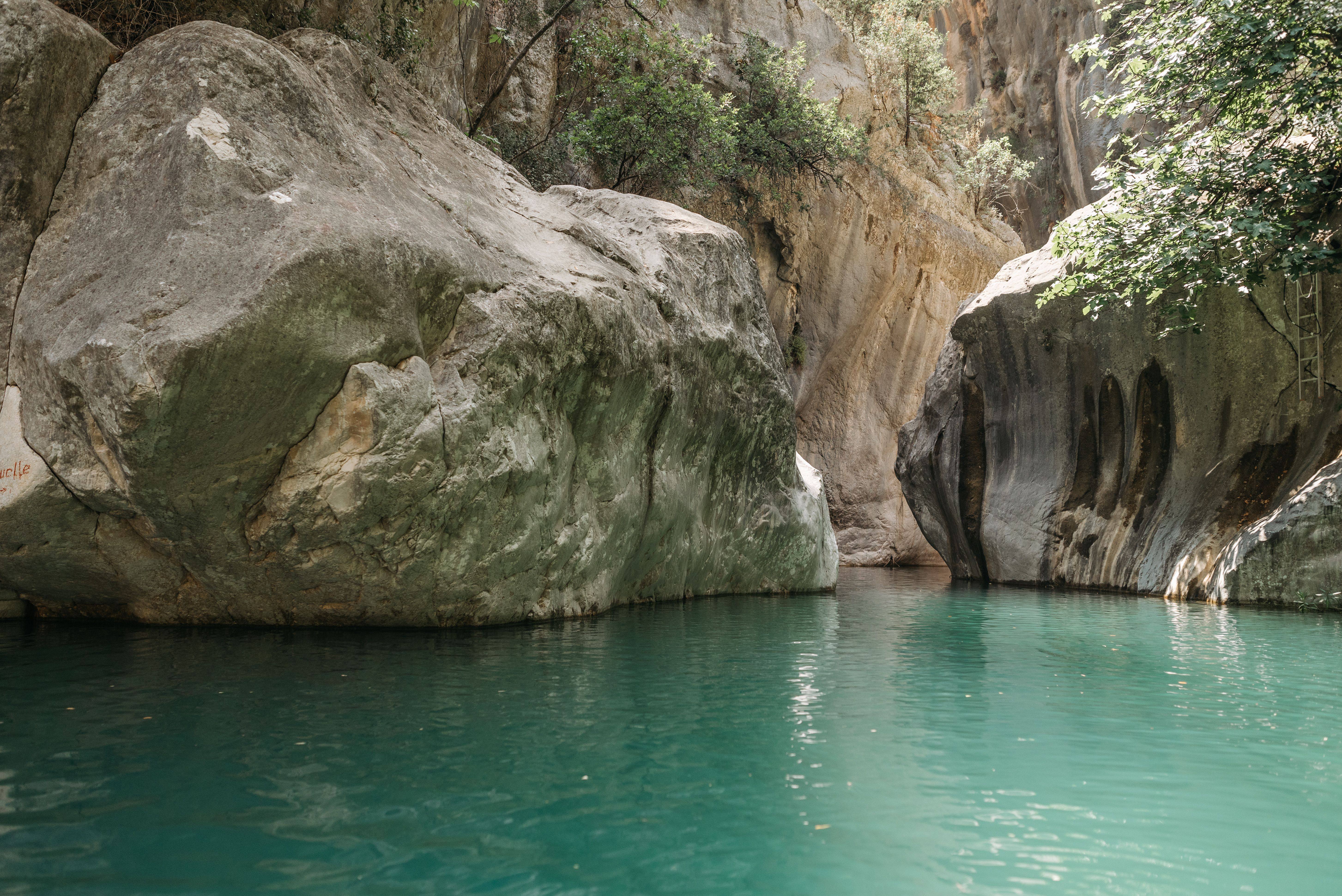
The site comprises several burial chambers carved directly into the rocky wall. The domus de janas are characteristic of the San Michele culture (Late Neolithic, around 3500–2700 BC). The walls sometimes display engraved motifs or traces of red ochre pigment, used in funeral rituals. The whole setting blends into a landscape of typical Mediterranean maquis in the Meilogu region.
History and Context
The domus de janas represent one of the most widespread forms of funerary architecture in Sardaigne: over 2,500 are recorded across the island. Those in the Sedilo region are part of a territory rich in nuragic and prehistoric remains. Sardinian oral tradition long attributed these cavities to fairy-like creatures, hence their name.
Highlights of the Visit
Burial Chambers Carved into Rock
Observing the niches and sculptured thresholds reveals the care neolithic builders devoted to arranging funerary space. Some chambers communicate with one another through small passages.
The Surrounding Landscape
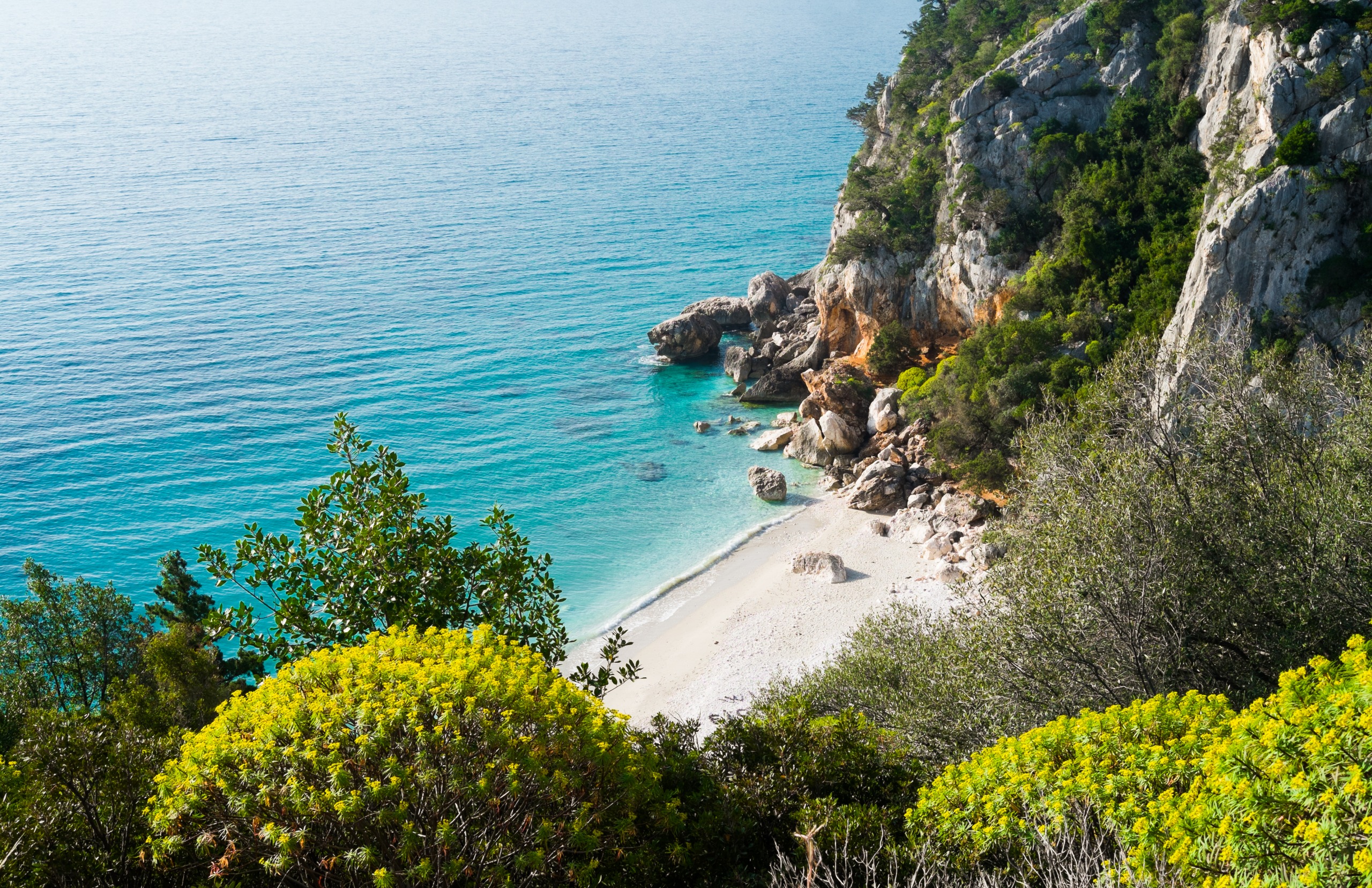
The site opens onto a panorama of hills covered with cork oaks and maquis. Late-afternoon light reveals the textures of limestone rock and the relief of engravings.
Photography Tips
Raking morning or late-day light accentuates wall reliefs and engravings. A supplementary light source (torch) proves useful inside the chambers to reveal details without direct flash, which can flatten texture.
Location and Access
The site lies in the environs of Sedilo, a municipality in central Sardaigne (Oristano province). Access is primarily by car from Sedilo. Terrain around the tombs can be uneven; hiking shoes are recommended. Disabled access is limited due to natural ground conditions.
Nearby
- Sanctuary of San Costantino — pilgrimage site famous for the Ardia horse race, one of Sardaigne's most spectacular events.
- Lake Omodeo — large artificial lake in the island's interior, surrounded by hills and ancient villages.
- Nuraghe Losa — well-preserved nuragic complex near Abbasanta, a few kilometers south, with on-site museum.
Frequently asked questions
A domus de janas is a prehistoric tomb carved into rock, used by neolithic populations of Sardaigne for funeral rites. The Sardinian term literally means « house of the fairies ».
No special clothing is needed. Closed, comfortable shoes are recommended for navigating the natural terrain around the tombs.
Yes. Nuraghe Losa in Abbasanta is the region's most structured archaeological site and makes a natural complement to visiting the domus de janas.
The site welcomes archaeology-curious children. Interior chamber spaces are confined; young children should be closely supervised.
Spring and autumn offer pleasant temperatures and colorful vegetation. Summer remains possible but the heat of central Sardaigne can be intense midday.
Interested in this visit?
We can include it in your personalised itinerary.