Ogliastra Island
Ogliastra Island
Turquoise coves, Italy's deepest canyon, a blue zone home to 31 centenarians per 100,000 inhabitants: Ogliastra is authentic Sardaigne, far from the crowds.
Bordered by beaches, white sand, and nuragic towers, Ogliastra Island is an unmissable gem of Sardaigne. A curtain rises on the city's points of interest.
The island region of Sardaigne is renowned for its natural treasures. Established on the eastern coast, Ogliastra stands out among the six provinces of the island. No wonder—its low population density has preserved its sensual and wild beauty. Impressive red porphyries scatter along the coastline. Strolling pristine blue-water beaches, scaling vertiginous cliffs, descending into the spectacular Gorropu canyon, or exploring archaeological ruins such as nuraghes or domus de Janas… A tour around the island is truly enchanting. It's no accident that Ogliastra holds the world record for the number of nonagenarians and centenarians. Could the Sardinians have discovered the elixir of longevity here? For next summer, fly to Ogliastra and enjoy wonderful seaside vacations in Sardaigne.
Historical Notes
Ogliastra owes its name to the wild olive trees that once flourished in the region. After a long period when the Carthaginians, Romans, and Vandals settled their disputes by the sword, the town was governed by the Judiciate of Cagliari. However, the first historical records of Ogliastra date back around 1500 years before our era. The nuraghes scattered across hills and lowlands are testaments to the Nuragic civilization. These are crenellated round towers, built of stone or rammed earth, which ancient Sardinian tribes used to fortify their dwellings. Some served as watchtowers. Apart from nuraghes, sacred wells and megalithic tombs attest to this distant epoch.
Insularity, mountainous terrain, and the absence of road connections until the early 1990s contributed to the region's isolation. Historically, the population remained modest in size. Society was predominantly agrarian. Wine, olive oil, goats, fruit, and early-season vegetables were the region's main resources. The capital Tortoli is the exception to the rule: fishing is highly active there, as are papermaking and hydroelectric production.
Today
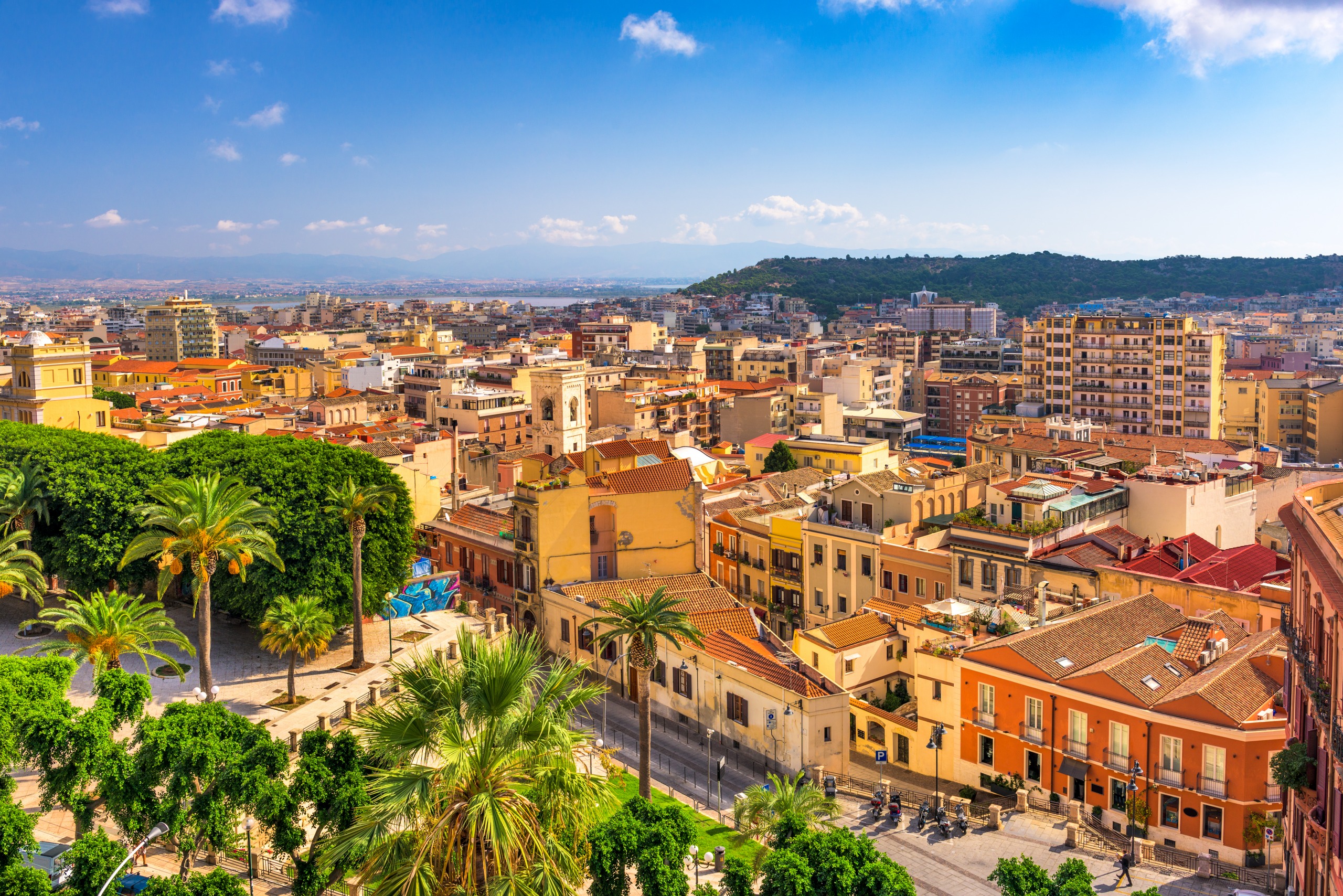
The two main urban centers are Tortoli and Lanusei. The population numbers around 57,000, making Ogliastra Italy's least populated province. The island is known as the ultimate refuge for retirees who come to enjoy happy days, taking advantage of pure air, the sea, and the mild Mediterranean climate. To give you an idea, 31 residents per 100,000 are over one hundred years old.
Tourism is inseparable from the sea. It was truly launched in 2001, when Ogliastra province was officially proclaimed. Although territorial autonomy was only effective between 2005 and 2016, and Ogliastra is now a municipality attached to Nuoro province, it enjoys undeniable tourist notoriety.
Nature chose to bless this secret island of Sardaigne by hiding some of its masterpieces there. While the coast is surrounded by rocky promontories in vibrant colors, valleys and high hills are densely forested. The two national parks of the province support countless trees, shrubs, and flowers. The Dactylo elata, an orchid species growing only in this region, is an illustrative example.
To the pleasures of sea and green tourism is added the gastronomic experience. Visiting Ogliastra without trying culurgiones or the gathulis of Arzana is like visiting the Vatican Palace without paying attention to the Sistine Chapel. You'll taste a rich island cuisine based on olive oil, anchovy, horticultural products, and lamb, mutton, or suckling pig raised in the mountains. Tortoli's restaurants showcase fish and seafood: tuna, snapper, spiny lobster, lobster, octopus, shrimp, sea bream, and many others. On a farm stay, you'll savor freshly baked breads: carta musica or spianatina are true delights.
Places of Interest to Visit
Sandy beaches, porphyry or granite cliffs, nuragic ruins of Villagrande Strisaili, treasures of medieval architecture… The variety of points of interest quickly becomes a puzzle for first-time visitors to Ogliastra Island. Here's a list of must-sees to help plan your itineraries.
Fine Sand Beaches
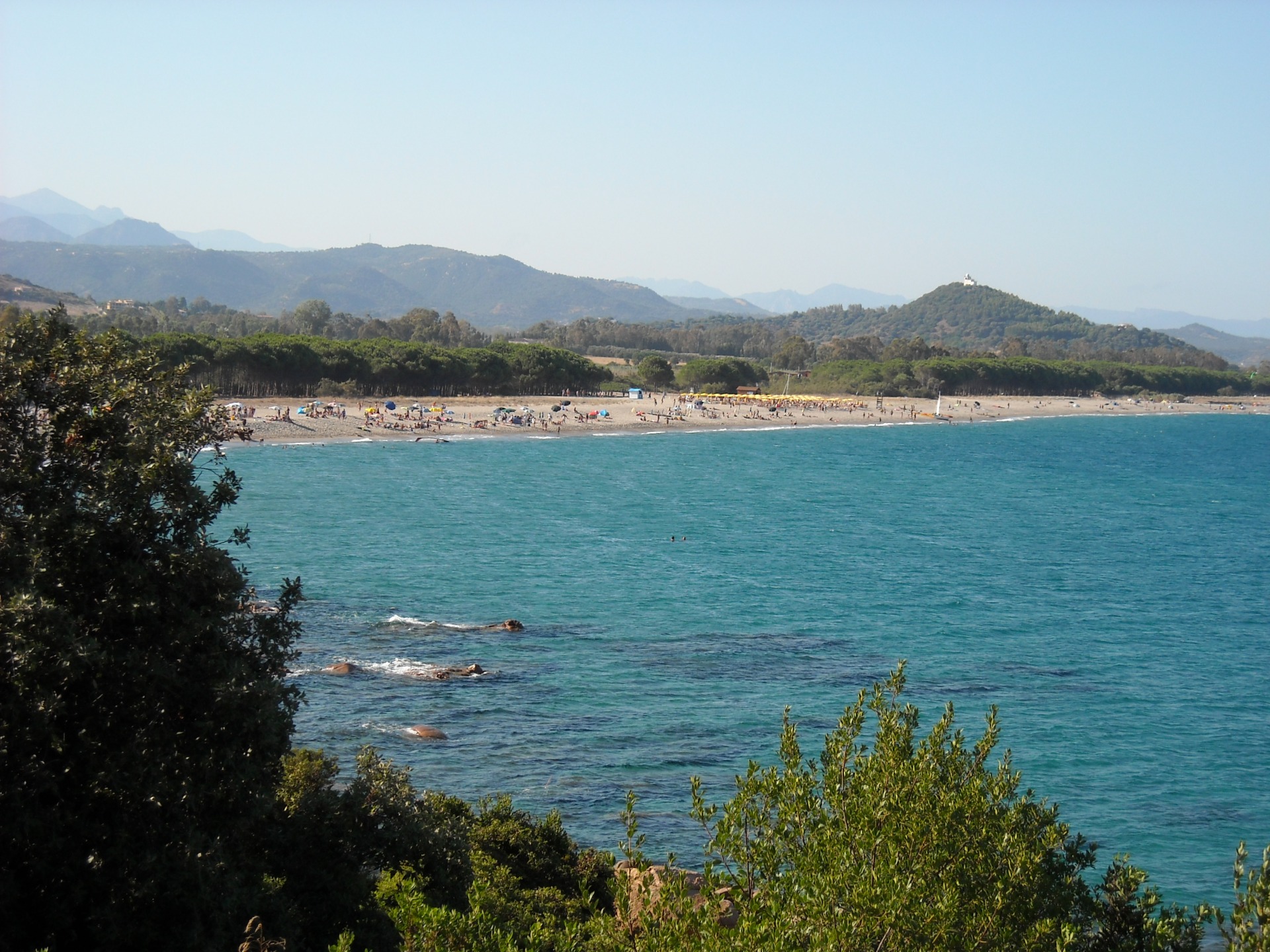
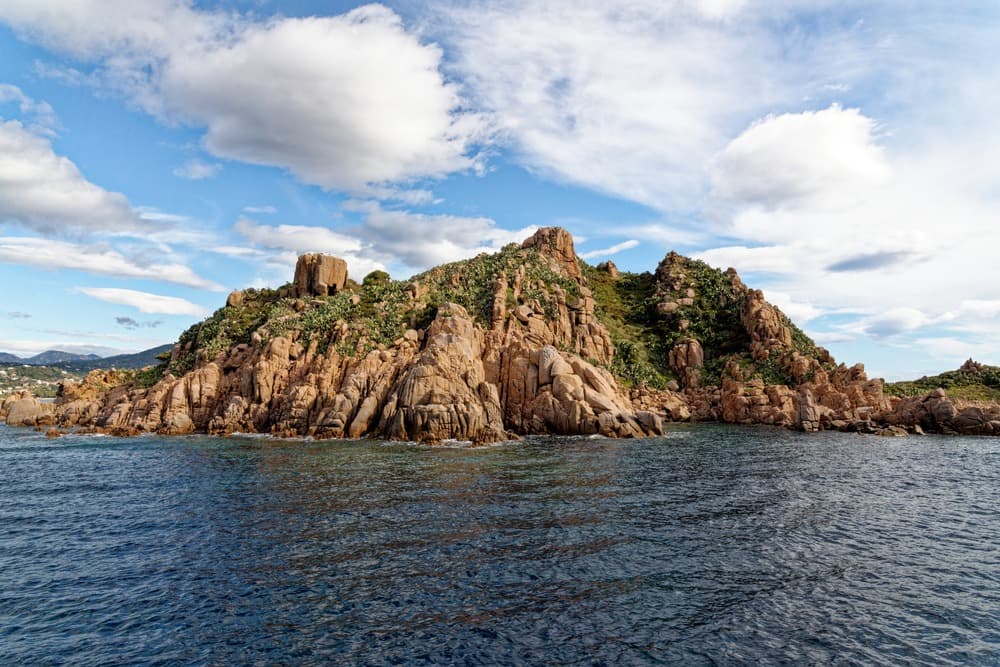
Even if swimming isn't your forte, the port of Arbatax is truly worth a visit. Climbing onto the rocky Bellavista promontory, you can admire the Portu Fraillis Bay, small coves, and colorful cliffs where waves tumultously crash. Portu Fraillis Bay is home to a charming fine sand beach, prized for its smooth, rounded rocks and leisure amenities. The Coccorocci Beach attracts crowds of night owls and singles. The Cartucceddu granite massif gives a unique character to this pebble beach, which is incidentally the largest of its kind in Sardaigne. The Lido di Orri, Torre de Bari, and Cala Goloritze are equally very popular in summer. For photographers, the award goes without doubt to Rocce Rosse Beach, near Arbatax port, known for the striking red porphyries that characterize it. The Rocce Rosse Blues music festival once took place here, enjoying international renown.
Natural Heritage
- Pedra Longa di Baunei: this limestone formation culminating at 128 m altitude towers over Baunei's coast. Declared a natural heritage site in 1993, it is part of a protected area of 9.96 hectares;
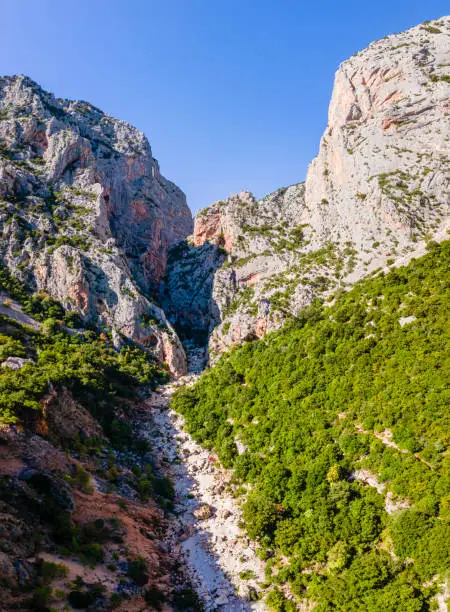
- The Goroppu Gorge: kayaking, rafting, mountain biking, and adventure hiking enthusiasts won't pass up the Goroppu Gorge, Italy's deepest canyon. The canyon entrance is 4 km from Urzulei. The terrain is very rugged, but the great natural beauty is worth it… While the valley is an ocean of vineyards, you also traverse lakes, secret caves, breathtaking rock formations, and crystal-clear natural pools where swimming is a must… The company of an expert guide is required to visit this natural masterpiece.
- The Scala di San Giorgio di Osini: The San Giorgio Staircase was designated a natural site in 1994. It is an underground corridor carved into the Osini mountain. According to a hagiographic document, the staircase's formation was a divine intervention. Bishop San Giorgio asked God to take pity on poor pilgrims who, however devout, wouldn't be able to climb the massif. By miracle, a narrow passage appeared in the impassable mountain. After the ascent, don't forget to pay homage to the charming church nearby, built by the bishop in the 14th century in gratitude for his answered prayer.
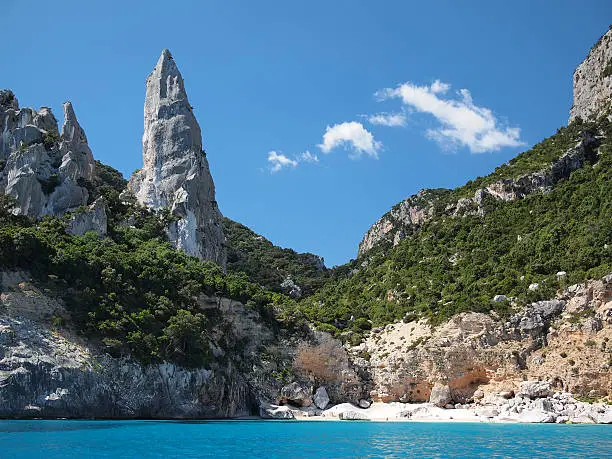
- Punta Goloritze: this limestone massif majestically dominates Goloritze Beach near Baunei. The hike allows you to observe olive trees, strawberry trees, and magnificent wild flowers.
Military Heritage
The San Miguel Tower: built when the Spanish occupied Sardaigne, this fortified tower is a historic symbol of Tortoli, the provincial capital.
Besides San Miguel Tower, two other monuments are worth seeing:
- the Bari Sardo Tower, completed in the 16th century under the patronage of Captain Marco Antonio Iglesias Camos;
- the San Giovanni Sarrala Tower, which towers over Foxi Murdegu Beach.
The first is good for photographs, but the second is rich in historical memories, in that the fortress was converted into a bunker during the 1945 War.
Religious Heritage
Ogliastra's places of worship date from the Middle Ages, when religious power served to support and legitimize royal power:
- The Church of Saint Andrew: a small parish dedicated to Apostle Andrew existed on the site in the 14th century, but it was completely restored in 1790 to become a sumptuous Baroque cathedral. While the façade adorned with pilasters and cornices is worth seeing, the highlight of the visit is inside: the multi-colored marble high altar, executed by sculptor Giovanni Battista Franco. The cathedral stands in the center of Piazza Duomo. It is Tortoli's mother church and the seat of Ogliastra province's diocese;
- The Church of Santa Maria: Built in 1052 at the order of the Princess of Navarra, who, narrowly escaping a shipwreck, wanted to testify to God her gratitude, the Church of Santa Maria di Baunei is a lovely masterpiece of Romanesque art.
- The Church of Saint Anthony of Padua: if you stroll around Jerzu, don't miss this charming church situated on a hillside. The village of Jerzu is renowned for wine production. The view over vineyards and olive groves is truly striking.
When to Visit Isola Ogliastra?
Ogliastra Island can be visited year-round. Coming in peak summer is worthwhile if you plan to spend your vacation by the sea. Between June and August, the sun shines for more than 8 hours a day, and the average temperature is 25°C. But if you prefer hiking or visiting archaeological treasures rather than swimming, it's better to go in autumn or spring. Not only are temperatures less scorching, but due to lower tourist traffic, hotels, guesthouses, and vacation rentals offer price reductions. Vegetation reflourishes at the first rains of February. Hiking trails smell of olive, orange, cherry, and oleander.
If Ogliastra Island remains little open to world tourism, the weak airline network is to blame. Tortoli Airport ceased operations in 2016, when Ogliastra lost its province status. To reach the island, foreign travelers must book a flight to Olbia—which hosts Sardaigne's main airport—Alghero, or Cagliari. Finding a direct Paris-Olbia flight is easy, as more than one airline operates this route, such as easyJet, Air France, or Transavia. The flight duration is approximately one hour and forty-five minutes.
To reach Ogliastra's city center from Olbia, you simply need to use public transport: the Trenitalia train or the ARST bus line. The most convenient option, however, is to rent a private car with a driver.
You'll Love...
- Swimming on Lido di Orri's pebble beach;
- Enjoying a surfing experience;
- Vibrating in Tortoli's nightclubs;
- Savoring culurgiones;
- Admiring Arbatax's striking red porphyry rocks;
- Meditating on Baunei's menhirs and giants' tombs;
- Visiting the nuraghes;
- Contemplating the artistic treasures of the Saint Andrew Cathedral.
Attractions in Ogliastra Island
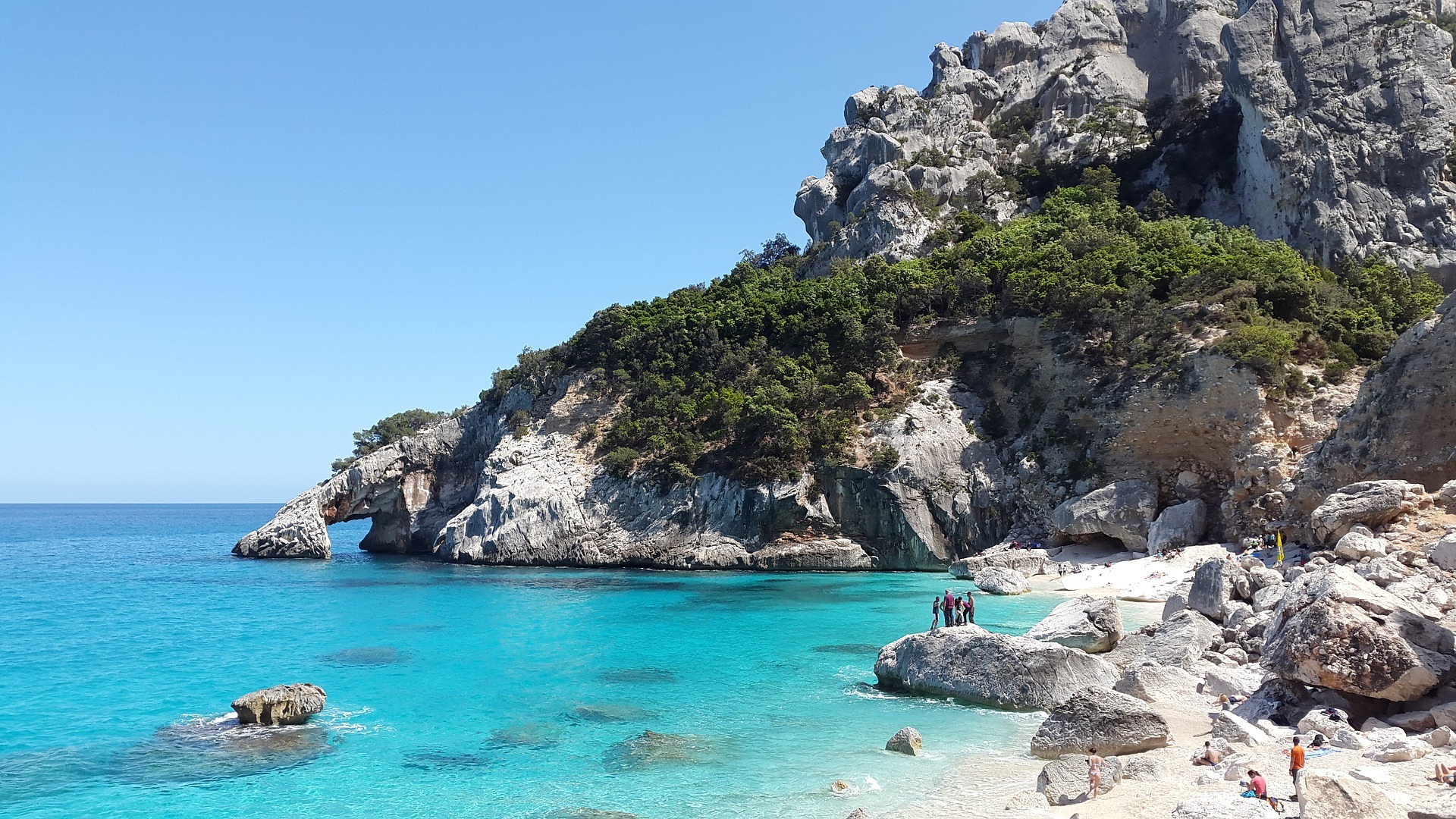
Cala Goloritzé
Crique protégée du golfe d'Orosei, accessible uniquement à pied depuis le plateau de Golgo : guide pratique pour préparer votre visite.
Gorge de Gorropu
La gorge de Gorropu, dans le Supramonte sarde, est l'un des canyons les plus profonds d'Europe. Parois verticales, fond rocheux et rio Flumineddu : une randonnée exigeante au cœur de la Barbagia.
Punta Goloritzé
Falaise calcaire classée monument naturel, Punta Goloritzé se découvre à pied depuis le plateau du Golgo ou en bateau depuis Santa Maria Navarrese. Son aiguille rocheuse de 143 m et sa plage de galets turquoise en font un site naturel d'exception sur la côte est de la Sardaigne.
Want to discover this destination?
Our local advisors design your tailor-made trip.